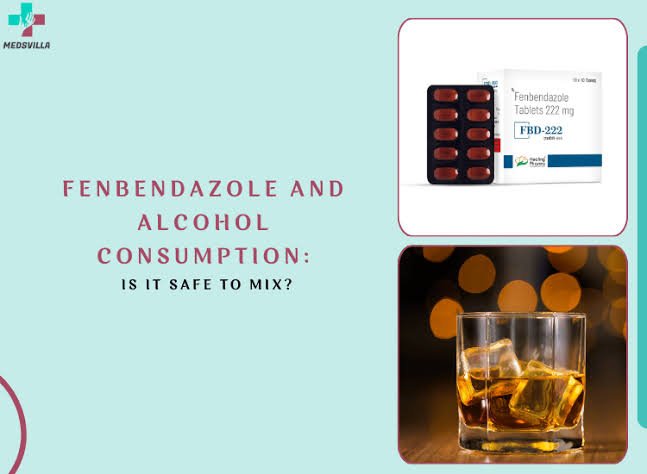
Fenbendazole is an antiparasitic medication commonly used in veterinary medicine to treat certain parasitic infections in animals. Questions about fenbendazole and alcohol often arise when people want to understand whether drinking alcohol could affect the medication’s safety or increase the risk of side effects. However, evidence about the interaction between fenbendazole and alcohol in humans is limited.
Before combining any medication with alcohol, it is important to understand the potential risks, available evidence, and precautions to consider. This article explains what is known about fenbendazole and alcohol, why caution is necessary, and when to seek professional medical advice.
What Is Fenbendazole?
Fenbendazole belongs to a group of antiparasitic medicines called benzimidazoles. It works by interfering with certain processes that parasites need to survive, helping control susceptible worms in animals.
Veterinarians commonly use fenbendazole to treat specific intestinal parasites in dogs, cats, livestock, and other animals, depending on the product and species.
Although fenbendazole is discussed online for various human health purposes, it is not an approved human medication in many countries. Its safety, appropriate dosage, effectiveness, and long-term effects in humans have not been adequately established for these uses.
Important: Do not use veterinary fenbendazole to treat a human medical condition without guidance from a qualified healthcare professional.
Can You Drink Alcohol While Taking Fenbendazole?
There is insufficient human research to determine whether drinking alcohol while taking fenbendazole is safe. A well-established interaction between the two has not been demonstrated, but this does not mean that combining them is risk-free.
Alcohol can affect the digestive system, liver function, hydration, and judgment. Depending on the amount consumed and a person’s overall health, it may also worsen certain symptoms associated with illness or medication use.
Because human safety data for fenbendazole are limited, the safest approach is to avoid alcohol while using it unless a qualified healthcare professional familiar with the situation advises otherwise.
If you have already consumed alcohol while taking fenbendazole, avoid drinking more and seek medical advice if you develop unusual symptoms.
Potential Risks of Combining Fenbendazole and Alcohol
The specific risks of combining fenbendazole and alcohol in humans have not been adequately studied. Nevertheless, several general safety concerns deserve attention.
1. Digestive Discomfort
Alcohol may irritate the stomach and digestive tract. Depending on the circumstances, it can contribute to nausea, vomiting, abdominal discomfort, or diarrhea.
These symptoms may also occur with some medications or during an underlying illness. If digestive symptoms develop after using fenbendazole and drinking alcohol, do not assume that alcohol alone is responsible.
2. Liver Health Concerns
The liver processes alcohol and many medicines. Excessive alcohol consumption can damage the liver, while certain medications can also affect liver function.
The extent to which fenbendazole may affect the human liver is not well established because adequate human safety data are lacking. Therefore, it is not possible to quantify the risk of liver injury from combining fenbendazole and alcohol.
Avoiding alcohol and discussing any history of liver disease with a healthcare professional are sensible precautions.
3. Dehydration and General Discomfort
Alcohol can increase fluid loss in some circumstances, particularly when consumed in large amounts. If someone is already experiencing vomiting, diarrhea, or reduced fluid intake, drinking alcohol may make it harder to maintain adequate hydration.
Drink water as needed and seek medical attention if you experience persistent vomiting, severe abdominal pain, or signs of dehydration.
4. Difficulty Identifying Side Effects
When alcohol and a medication are used together, it can become more difficult to determine which substance caused a particular symptom.
Avoiding alcohol during treatment can reduce this uncertainty and make it easier to identify possible adverse reactions.
What About Fenbendazole and Ivermectin Products?
Fenbendazole and ivermectin are different medicines. They act through different mechanisms and have different approved uses, dosing requirements, and safety considerations.
Combining them without appropriate medical guidance may introduce additional risks, including adverse effects and interactions with other medicines. There is also insufficient evidence to recommend this combination for unproven human treatments.
Before considering any antiparasitic product, confirm its ingredients, regulatory status, and intended use with a qualified healthcare professional.
Understanding Prices and Product Claims
Online searches for the fenbendazole and ivermectin tablets price may produce a wide range of listings. Prices can vary according to the ingredients, strength, manufacturer, packaging, and country of sale.
However, price does not establish a medicine’s quality, safety, or suitability for human use. Be particularly cautious with products marketed for human treatment without reliable regulatory approval or clear product information.
Similarly, listings described as ivermectin and fenbendazole pills for humans should not automatically be considered safe or effective human medicines. Check the regulatory status of the specific product and seek advice from a licensed healthcare professional before using it.
Do not select a product or combine antiparasitic medicines solely based on online claims or price comparisons.
How Long Should You Avoid Alcohol?
No scientifically established waiting period guarantees safety when drinking alcohol after taking fenbendazole in humans.
The appropriate advice depends on the product used, the reason for treatment, other medicines, and individual health factors. Because human pharmacokinetic and safety information is limited, it would be misleading to recommend a specific number of hours or days.
If fenbendazole was prescribed or administered for veterinary use, follow the veterinarian’s instructions for the animal and consult them about any relevant precautions. If you have taken veterinary fenbendazole yourself, contact a healthcare professional for advice rather than relying on a dosing schedule intended for animals.
When Should You Seek Medical Help?
Seek prompt medical attention if you experience severe or persistent symptoms after taking fenbendazole, drinking alcohol, or combining substances.
Warning signs include:
- Persistent vomiting or severe abdominal pain
- Yellowing of the skin or eyes
- Dark urine accompanied by other signs of liver problems
- Unusual weakness or severe dizziness
- Confusion, breathing difficulties, or a severe allergic reaction
For suspected poisoning or a significant medication error, contact your local poison information service or emergency medical service. People researching antiparasitic treatments may encounter products described as fenbendazole ivermectin pills or fenbendazole ivermectin capsules. These terms may refer to products containing one or both antiparasitic ingredients, but the formulation, quality, and intended use can vary.
Final Thoughts
The safety of drinking alcohol while taking fenbendazole has not been adequately studied in humans. Although a specific interaction has not been established, the lack of reliable evidence means that combining the two cannot be considered proven safe.
Avoid alcohol while using fenbendazole unless a qualified healthcare professional advises otherwise. Do not use veterinary products for self-treatment, and do not combine fenbendazole with ivermectin without appropriate medical guidance.
When evaluating antiparasitic medicines, prioritize reliable medical information, regulatory approval, and professional advice over online product claims or price comparisons. These precautions can help reduce avoidable risks and support safer healthcare decisions.