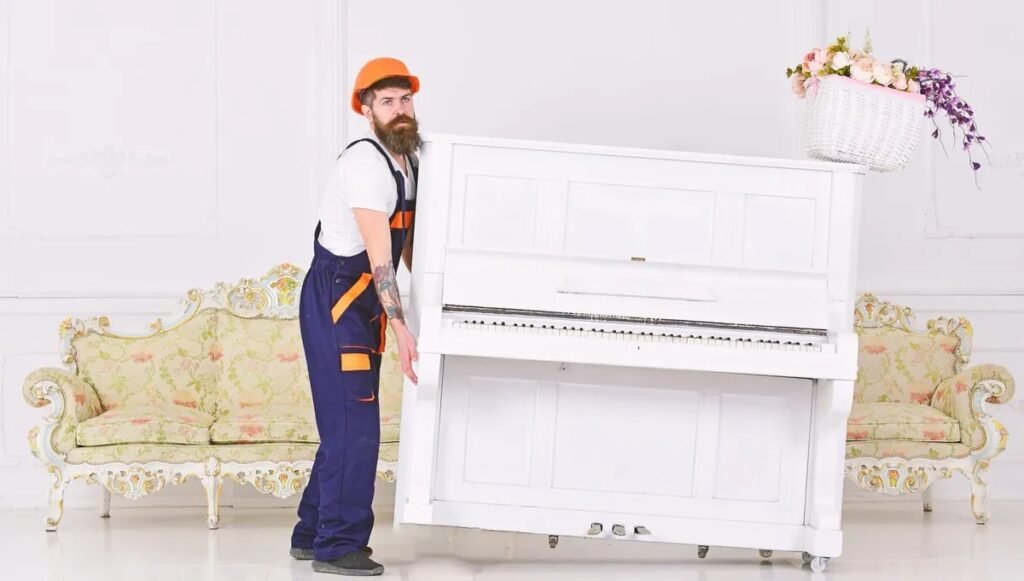
Some musical instruments do more than make music. They hold memories, share stories, and connect us with the past. An old harmonium may remind a family of special gatherings, while a grand pipe organ may fill a church with music for generations. However, moving these treasures takes more than muscle and a moving truck. Professional organ movers know how to handle delicate parts, aging wood, and complex designs. They plan each step to reduce the risk of damage. With the right tools, careful packing, and skilled hands, they help protect these instruments and keep their stories alive for years to come.
1. Every Old Instrument Has a Story
Historic organs and harmoniums often have a rich past. Some have served churches for decades, while others have played at schools, homes, and cultural events. Their carved wood, worn keys, and handmade parts can reveal how people built and enjoyed music long ago. That is why movers must treat each instrument with care.
Age can make these instruments fragile. Wood may crack, leather bellows may wear out, and metal parts may rust. Even a small bump can cause damage that costs time and money to fix. Before moving an instrument, experts check its age, design, and condition. This helps them spot weak areas and choose a safe way to handle each part.
2. Check It Twice Before Moving Day
A safe move starts with a close inspection. Movers check the keys, pedals, pipes, bellows, and outer case for cracks or loose parts. They also look for signs of old repairs. These checks help the team understand what needs extra care before lifting begins.
Next, they take photos, record measurements, and note any damage they find. Large organs may need technical drawings and advice from a trained organ technician. These records act as a guide during the move and help the team put everything back in the right place. If a problem appears later, they can compare the instrument’s condition before and after transport.
3. Vintage Harmoniums Need a Gentle Touch
A vintage harmonium may look simple, but its inner parts need careful handling. It uses reeds and bellows to create sound. It may also have small valves, wooden panels, stops, and delicate keys. Rough handling can damage these parts and affect the sound.
Before the move, specialists protect the keyboard and secure loose parts. They may remove certain pieces if the design allows it. Each part must stay safe and easy to identify. However, movers should never force a stuck part or take apart a system they do not understand. A gentle touch can help keep the harmonium in good shape and preserve its unique sound.
4. Big Pipes, Bigger Challenges
Cathedral organs bring a whole new set of challenges. Some have thousands of pipes, several keyboards, pedals, and complex air systems. Their size makes them hard to move, while their many parts need careful tracking. Even a small mistake during handling can affect how the organ works.
The team first studies the organ’s layout and the path out of the building. They check doors, stairs, hallways, and loading areas before making a plan. Then, they prepare each section for safe removal and transport. Pipes need proper support, while heavy parts need secure lifting tools. Skilled professional organ movers follow a clear plan to protect fragile parts and avoid costly damage.
5. Pack It Right and Avoid Trouble
Good packing helps protect an instrument from bumps, scratches, and sudden movement. Basic boxes and old blankets may not suit fragile keys, thin pipes, or carved wood. Instead, movers choose padding and supports that match the instrument’s size, shape, and needs.
They may pack smaller parts in separate cases and label each one clearly. This makes it easier to find the right part during reassembly. Movers also protect surfaces from dust and moisture. Most importantly, they follow the maker’s handling advice when it is available. Proper packing keeps parts from rubbing together and helps the team work without guesswork at the other end.
6. Plan the Route Before Hitting the Road
Moving an organ safely takes more than loading it onto a truck. Narrow doors, steep stairs, and tight corners can turn a simple job into a real headache. Movers should check the full route before moving day and find safer options where needed.
The truck must have enough room and the right load capacity. The team also needs secure straps, lifting tools, and a plan to limit movement during travel. Road bumps and sharp turns can harm delicate parts, so careful loading matters. Movers should also check the weather and travel time. A little planning can help avoid last-minute delays and keep the instrument safe from start to finish.
7. Keep Heat and Moisture Under Control
Wood, leather, felt, and metal can react to changes in heat and moisture. Very dry air may cause some wood parts to shrink or crack. Too much moisture can harm metal fittings and other materials. Older instruments may face a greater risk because years of use have already weakened some parts.
To reduce these risks, movers choose suitable covers and packing materials. They also avoid leaving the instrument in harsh weather or damp storage areas. If the new location has a very different climate, the instrument may need time to adjust before tuning. These simple steps can help protect its shape, sound, and long-term value.
Conclusion
Historic harmoniums and cathedral organs are more than musical tools. They carry memories, show the skill of past craftspeople, and keep old traditions alive. Protecting them takes careful checks, safe packing, a planned route, and proper setup. Every step counts, from taking photos before the move to testing the instrument after delivery.
The right team treats these treasures with respect instead of seeing them as just another load. With careful planning and skilled handling, businesses and families can help preserve these instruments for future generations. When moving delicate musical equipment, choosing specialists in specialty movers piano relocation in Denver can help keep safety, care, and attention to detail at the center of the job.