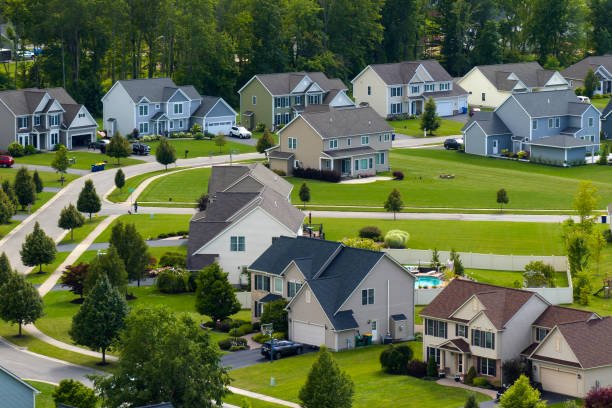
Most buyers form an opinion about a property before they ever step through the front door. They scroll through listings, look at the photos, and decide whether a place is worth their time. That is where Real Estate Photography in Ormond Beach can make a real difference. Good photos help buyers understand what a home offers, but misleading images can create a completely different problem. Maybe the rooms look bigger online, the lighting hides worn-out flooring, or the backyard seems much more spacious than it really is. Buyers notice these things when they arrive. And once their expectations fall apart, getting them interested again is not always easy.
Why Buyers Feel Disappointed During Property Visits
There is a difference between making a property look appealing and making it look like something it isn’t. Bright, well-composed images are useful because they show a home at its best. But when the photos leave out important details or use angles that distort the space, buyers may feel they have been led in the wrong direction. A living room that looked open online might feel cramped in person. A modern-looking kitchen could turn out to have outdated cabinets and limited counter space. These are not always deal-breakers, but the disappointment can change how someone views the entire property. Instead of looking for reasons to buy, they start looking for problems.
The Effect on Trust and Credibility
Buying a property involves a lot of money, and people are naturally cautious about where that money goes. If the listing photos don’t match reality, buyers may question more than the photographer’s choices. They might wonder whether the seller is hiding maintenance issues or whether the property description is equally unreliable. Even when the mismatch is accidental, trust takes a hit. Real estate agents can spend the rest of the viewing trying to explain what the pictures failed to communicate. That isn’t a great position to be in. Honest presentation helps establish credibility early, giving buyers a fair understanding of the home before they schedule a visit.
How Misleading Photos Can Slow Down a Sale
Poor property images don’t just affect the first impression. They can also create delays throughout the selling process. Buyers who feel disappointed may leave negative feedback, cancel second viewings, or remove the property from their shortlist. Some will simply move on to another listing that looks more consistent and easier to understand. Meanwhile, the seller continues paying the costs associated with keeping the property on the market. If enough visitors have the same reaction, the listing may start attracting less interest over time. Sellers sometimes respond by reducing the asking price, even when the property itself is in reasonable condition. The problem isn’t always the house. Sometimes, it’s the way the house was presented from the start.
Why Accurate Photography Matters More Than Perfect Photography
Let’s be real, buyers don’t expect every home to look like a luxury magazine spread. They want to see what they’re actually considering purchasing. Professional photography should make a property attractive while keeping its proportions and features believable. Wide-angle lenses can help show an entire room, but extreme distortion makes walls look farther apart and furniture appear smaller than it is. Excessive editing can also make paint colors, window views, and natural light look unrealistic. A skilled real estate photographer knows where to find a useful angle without turning an ordinary bedroom into something resembling a ballroom. Clear, balanced images are often more valuable than dramatic ones because they help buyers make informed decisions.
The Details That Buyers Notice First
Small details can have a surprising effect on how a property is received. Dark corners, cluttered countertops, unmade beds, and distracting personal belongings can make an otherwise attractive home feel neglected. On the other hand, removing every sign of everyday living can sometimes make a space feel unnatural. The goal is to show the home clearly, not pretend nobody has ever lived there. Photographers and sellers should pay attention to room layout, visible storage, windows, flooring, and the condition of outdoor areas. If a bathroom is compact, photograph it in a way that explains its layout rather than hiding its size. Buyers appreciate a listing that answers their questions instead of creating more of them.
How Better Visuals Help Attract the Right Buyers
Accurate images do something useful that often gets overlooked: they help filter inquiries. When buyers understand the property’s layout, condition, and general features, they can decide whether it suits their needs before arranging a visit. That means fewer wasted appointments and more meaningful conversations with people who are genuinely interested. For properties with large lots, unusual layouts, or outdoor features, aerial property photography in St. Augustine can offer another useful perspective. Aerial views can show the relationship between the house, driveway, yard, neighboring properties, and surrounding landscape. They should still represent the property honestly, though. Aerial images work best when they add context rather than distract buyers from details they need to see.
What Sellers and Agents Can Do to Avoid the Problem
The process starts before the camera comes out. Sellers should tidy the property, handle basic repairs where practical, and make sure the photographer understands which features deserve attention. Agents can review the images carefully before publishing the listing, checking that rooms look proportionate and important details haven’t been accidentally hidden. It also helps to include a useful range of photos rather than relying on a few impressive shots. Interior spaces, exterior views, entrances, and relevant outdoor features all contribute to a clearer picture. If the property changes after photography, such as when renovations are completed or furniture is removed, the listing images should be updated. Outdated photos can create the same disappointment as misleading ones.
Conclusion: Set Realistic Expectations From the Beginning
Property photography is about more than getting clicks or making a listing look attractive on a screen. It shapes what buyers expect, how they feel when they arrive, and whether they trust the people involved in the sale. When images exaggerate a home’s strengths or hide its limitations, that first viewing can quickly turn into a negative experience. Accurate, thoughtful photography gives buyers a better starting point and helps sellers attract people who understand what they’re coming to see. The short answer is this: a property doesn’t need to look perfect to sell. It needs to be presented honestly, with its best features shown clearly and its real character left intact. That is a far better foundation for a successful sale than a set of pictures that promise more than the house can deliver.