Dirt work looks easy from the road. A machine rolls in, a hole shows up, and a week later somebody’s pouring concrete. But anyone who’s watched bad grading push water into a basement knows it isn’t that simple. Picking an excavating company in Woodstock VA is a decision people make once and live with for thirty years, because nobody digs it back up to double check. This post covers what to look at before hiring anyone, and what should make a homeowner back away.
What Does Excavation Work Really Include?
Most people hear the word and picture a hole. It’s bigger than that. Crews clear lots, strip topsoil, cut pads for houses and shops, dig footers and basements, trench for water and sewer and electric, shape driveways, put in drainage, and handle septic installs. Some haul off the extra dirt, some don’t. Some do demolition, plenty won’t touch it. The short answer is that companies lean different directions, so figure out what the job needs before making calls. An outfit that mostly does big commercial pads may not care much about a small yard drain.
Why Is the Ground Here So Stubborn?
Woodstock sits in Shenandoah County, and the soil doesn’t make anybody’s life easy. Limestone shows up close to the surface in places. Clay holds water and refuses to let go. Slopes can turn steep quicker than you’d expect. A crew used to flat, sandy ground will struggle here, and the owner usually pays for it. Rock alone can wreck a budget. Good operators read the lot before they fire up anything, and they say what they see, even when it’s bad news. If a contractor walks the property and never mentions soil or drainage, that’s a little worrying.
Is Licensing and Insurance a Big Deal?
Yes, a really big one. Virginia requires a contractor license once jobs pass certain dollar amounts, and a legit company won’t mind showing it. Insurance matters even more. Deep trenches, heavy machines, buried gas lines and the neighbor’s fence all sit in the same work zone, so one slip gets expensive fast. If somebody gets hurt or a line gets struck and the contractor isn’t covered, the property owner can get dragged into it. Ask for proof, in writing if possible. Real companies hand it over in a minute. If there’s dodging or an odd silence, well, that answer tells you plenty.
Does the Equipment Really Matter?
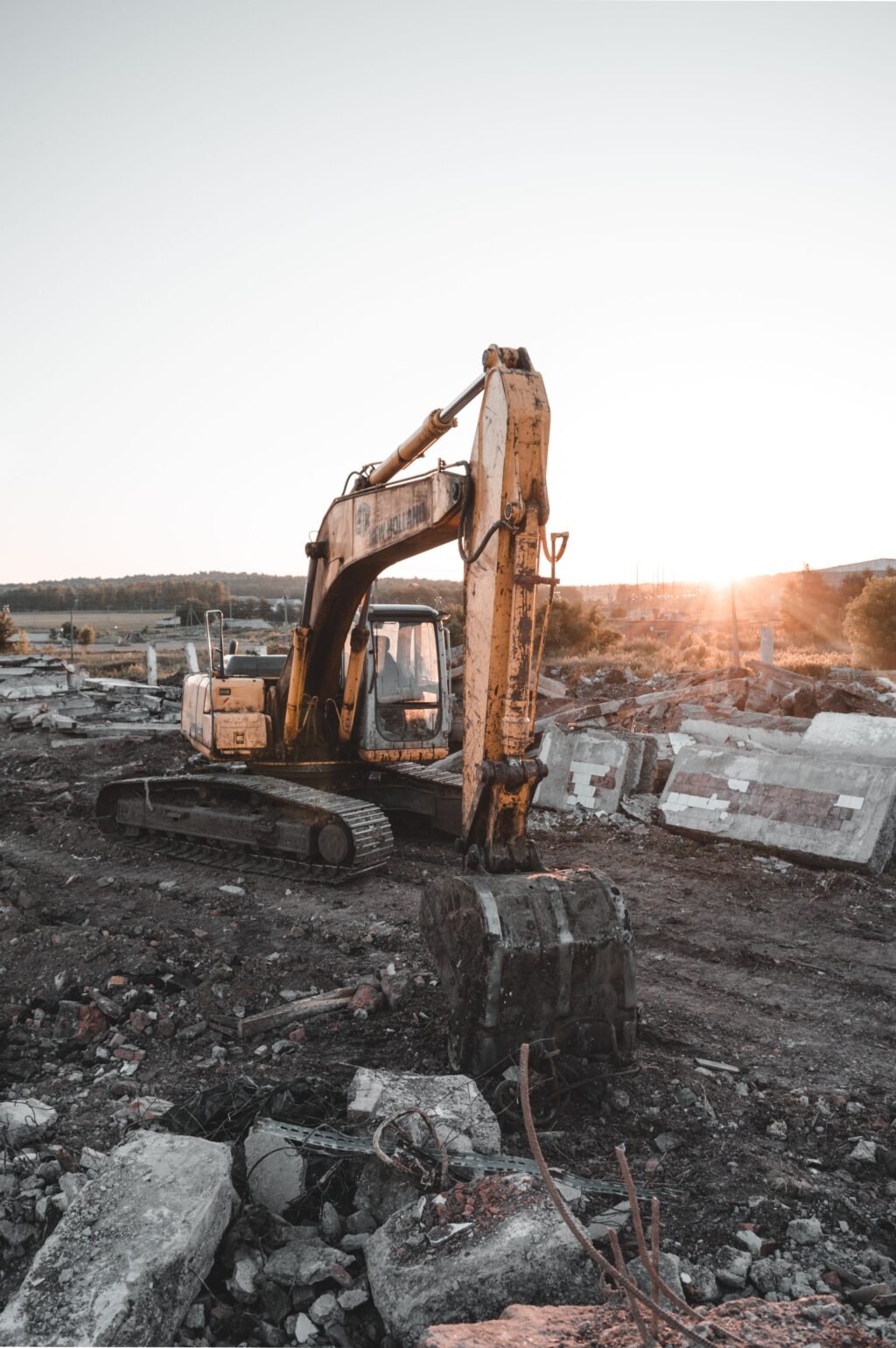
It does, though not in the flashy way people assume. Excavators, skid steers, dozers, dump trucks, compactors, trenchers. A company that owns its machines tends to move quicker than one renting everything by the day, since there’s no waiting on a delivery. Size is a factor too. Oversized iron tears up a small lot, and a tiny machine on a big pad takes forever. Well maintained gear breaks down less, which keeps the schedule honest. Nobody needs a shop tour, but the condition of the trucks and how the crew carries itself on site says a lot about the pride behind the work.
Why Go With Local Excavation Contractors?
Truth is, local excavation contractors have a built in advantage that’s hard to copy. They already know how the county handles permits, what the inspectors look for, and which roads have rock just under the surface. Chances are they’ve dug three jobs on the same street. They also pick up the phone when something goes wrong a year later, because their name lives in the same community as yours. Out of town outfits can be fine, sure, but travel costs creep in and they miss the quirks. In a valley town, word of mouth still works as the review system. Neighbors rarely lie about a bad dig.
How Much Should Excavation Cost?
Nobody can quote a fair number without seeing the site, so be careful with anyone who tries. Price swings on soil type, access, slope, how much material moves or leaves the property, and how many hours the machines run. Rock is the wildcard. Weather throws one in too. The cheapest bid isn’t automatically bad, but ask why it’s low. Sometimes a step got skipped, like proper compaction or drainage stone, and the owner finds out later when the driveway sinks. A fair price reflects honest hours and decent equipment from a contractor planning to stick around.
What Belongs in a Written Estimate?
The estimate should spell things out in plain English. What gets done, what doesn’t, who pulls permits, where the debris goes, and what happens if rock or an unmarked utility turns up. Payment terms need to be clear. So does the timeline, even knowing weather can bump it. Handshake deals feel friendly, right up until two people remember the conversation differently. Get everything on paper and read it twice. If a line looks vague, ask about it before the machines show up, because changing plans mid dig is exactly where budgets get ugly.
Which Red Flags Should Owners Watch For?
A few things should raise eyebrows quickly. No license. No insurance. Pressure to pay everything upfront. A quote handed over without anyone visiting the property. Cash only demands, missing references, and a contractor who won’t mention calling Virginia 811 before digging, which is the law and keeps crews off buried lines. One of these might be nothing, honestly. Two or three together is a pattern. Trust your gut a little. Good excavators tend to be organized and a bit blunt about what the work involves, and that bluntness is usually a good sign, not a bad one.
How Can Owners Get the Site Ready?
A little prep saves a lot of grief. Mark the property lines so nobody’s guessing, and move vehicles, sheds and anything breakable out of the work area. Tell the neighbors that big machines are coming. Make sure the 811 locate request went in and the flags are actually visible. Think about where soil piles can sit and where trucks can turn around. Have plans, permits and surveys handy. Walk the site with the foreman if possible and ask questions then, not after the first cut. Smooth starts tend to mean smoother finishes, and fewer surprises on the invoice.
So Where Does That Leave Homeowners?
Hiring an excavator isn’t about the slickest website or the loudest truck. It comes down to licensing, equipment, straight talk and knowing the ground. Local excavation contractors who understand county soil, rules and weather usually deliver better work with fewer headaches. Compare a few estimates, ask the hard questions, call the references. The right excavating company in Woodstock VA makes a big project feel manageable instead of stressful, and the work buried under the grass will hold up for decades. Do the homework now. Redoing dirt work costs way more.