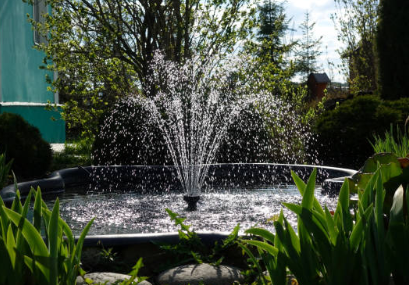
A beautiful outdoor space does not always need expensive furniture, fancy decorations, or a complete landscaping makeover. Sometimes, one thoughtful addition can change the whole atmosphere. Water is a good example. The gentle sound of flowing water, the movement of a small stream, and the look of sunlight reflecting off a fountain can make an ordinary yard feel more peaceful and inviting.
That is one reason outdoor fountains have become a popular choice for homeowners who want to improve their gardens, patios, courtyards, and backyard spaces. They bring a natural element into the landscape without requiring a major renovation. Even a modest fountain can make a noticeable difference.
Garden fountains also offer something that many outdoor decorations cannot. They create movement and sound. Flowers and shrubs add color, while stone pathways bring structure, but flowing water adds another layer to the experience. It makes the garden feel alive.
Of course, choosing a fountain takes a little thought. The size of your yard, your preferred design, maintenance requirements, and budget all matter. The good news is that there are plenty of styles available, so finding one that suits your space is not as difficult as it might seem.
Why Outdoor Fountains Make Such a Difference
An outdoor fountain can become the main feature of a landscape without making everything else look less important. It draws attention naturally. People notice the water first, then begin to appreciate the plants, seating areas, stones, and other details around it.
For a large backyard, a tiered fountain or a sculptural water feature can create a strong focal point. In a smaller yard, a compact wall fountain or a simple bubbling design may work better. There is no need to choose the biggest model available. A fountain that fits the space properly will usually look much better than one that overwhelms it.
The sound of water is another reason people enjoy these features. A gentle trickle can make a patio feel calmer, especially when the surrounding area is busy or noisy. The effect depends on the fountain itself, though. Some designs produce a soft bubbling sound, while others create a stronger splash.
Outdoor fountains can also make seating areas more inviting. Imagine sitting outside with a cup of coffee, surrounded by greenery, while water moves quietly nearby. It is a small thing, but it can change how often you use your outdoor space.
And that is really the point. A fountain should not just look attractive in photographs. It should make your home more enjoyable to live in.
Choosing Garden Fountains That Suit Your Landscape
Before buying a fountain, take a look at the garden you already have. Notice its size, the colors of the surrounding materials, and the overall style. This simple step can save you from choosing something that looks impressive in a showroom but feels completely out of place at home.
Traditional gardens often pair well with classic stone fountains, tiered bowls, and decorative pedestal designs. These styles work nicely with established trees, flowering plants, brick pathways, and formal landscaping.
Modern gardens may suit cleaner shapes, smooth finishes, geometric bowls, or minimalist water features. A simple design can be just as striking as an elaborate one. Sometimes, less really is more.
For a natural-looking garden, consider a fountain with stone textures or an arrangement that resembles a small spring. Surrounding it with ornamental grasses, leafy plants, and natural rocks can help it blend into the landscape.
Color matters, too. Neutral shades such as gray, beige, and earthy brown usually work well with outdoor surroundings. Dark finishes can create contrast, while lighter materials may help a small garden feel more open.
Most importantly, think about where the fountain will sit. A fountain placed near a seating area can become part of everyday life. One tucked into a quiet corner may create a peaceful retreat. Both options can work beautifully, provided the placement feels intentional.
Finding the Right Size and Material
Size is one of the most important things to consider when choosing outdoor fountains. A large fountain needs enough open space around it to look balanced. If it is squeezed between plants, garden furniture, and narrow walkways, the entire area can start to feel crowded.
Smaller fountains are often easier to place. They can sit beside a patio, near a garden entrance, or in a quiet corner surrounded by plants. For courtyards and compact yards, a wall-mounted fountain may be a practical option because it uses vertical space rather than taking up much of the ground.
Materials deserve equal attention. Stone and cast-stone fountains have a classic appearance and can suit traditional or natural landscapes. Concrete designs often offer a substantial look, while resin models may be lighter and easier to move. Metal fountains can complement contemporary outdoor spaces with their clean lines and distinctive finishes.
Each material has its own benefits and limitations. Weather exposure, weight, cleaning requirements, and the quality of construction all influence how a fountain performs over time.
Think about your local climate before making a decision. If your area experiences freezing temperatures, check whether the fountain can withstand them and follow the manufacturer’s winter care instructions. A little planning now can help avoid expensive damage later.
Where Should You Place an Outdoor Fountain?
Placement can make or break the final result. Even a beautiful fountain may go unnoticed if it is hidden behind tall shrubs or placed in an awkward spot.
One option is to install the fountain where it can be seen from inside the house. A view of flowing water through a living room or kitchen window can make the garden feel connected to the indoor space. Another option is to position it near a patio or outdoor dining area, where people can enjoy its sound while relaxing.
A central location works well for larger, symmetrical gardens. For a more natural layout, placing a fountain slightly off-center may feel more relaxed and less formal.
You should also consider sunlight, wind, drainage, and access to electricity. Wind can blow water away from the basin, increasing water loss and creating wet patches around the fountain. A suitable power supply is important for electric pumps, and outdoor electrical installations should be handled safely.
Leave enough room to clean the basin and reach the pump. It sounds obvious, but this is easy to overlook when focusing on appearance. A fountain that is difficult to maintain can quickly become frustrating.
Easy Ways to Make Garden Fountains Look Better
A fountain rarely needs lots of decoration around it. The right surroundings usually work better than adding too many features.
Start with plants that complement the fountain’s size and style. Low-growing flowers can soften the edges of a stone basin, while ornamental grasses add movement around a modern water feature. Small shrubs can help frame the fountain without hiding its shape.
Natural stones and stepping paths can make the installation feel like part of the garden rather than an object placed on top of it. If the area has a seating space, a simple bench nearby can turn the fountain into a place where you actually want to spend time.
Lighting is another useful addition. Subtle outdoor lighting can highlight moving water after sunset and make the garden more inviting in the evening. Avoid overly bright lights that compete with the fountain itself. A softer effect often looks better.
You can also keep the surrounding design simple. Let the water feature do its job instead of filling every available space with ornaments. A few carefully chosen details will usually create a cleaner, more natural appearance.
Keeping Your Fountain Clean and Working Properly
Outdoor fountains require regular care. They are not completely maintenance-free, and it is better to understand that before buying one.
Leaves, dust, pollen, and other debris can collect in the basin. Over time, algae and mineral deposits may affect the water and the fountain’s appearance. Regular cleaning helps prevent buildup and keeps the pump working properly.
Check the water level frequently, especially during hot weather when evaporation can happen quickly. The pump needs sufficient water to operate safely. Running it with too little water can cause damage.
Remove visible debris and clean the pump according to the manufacturer’s instructions. Use cleaning products suitable for the fountain’s material, and avoid harsh chemicals that might damage its finish. If the fountain attracts birds, take extra care with any water treatments you use.
Seasonal maintenance matters, too. Before cold weather arrives, follow the recommended procedure for draining, covering, or storing the fountain and its components. The correct approach depends on the material and design.
The best routine is a simple one that you can actually maintain. A few minutes of regular attention is much easier than dealing with a clogged pump or badly stained basin months later.
Are Outdoor Fountains Worth the Investment?
For many homeowners, yes. Outdoor fountains can improve the look and feel of a property while creating a more pleasant environment for relaxing and entertaining.
However, the value is not just about appearance. A well-placed fountain can help define an outdoor seating area, bring visual interest to an otherwise plain lawn, or give a small courtyard its own character. It can also make a garden fountains feel more complete without requiring major construction.
Your budget should include more than the initial purchase price. Consider installation, electricity, water replacement, cleaning supplies, and any seasonal care the fountain may need.
You do not have to spend a fortune to get a good result. The right design, installed in the right place, can be more effective than a costly fountain that does not suit the landscape.
Take your time comparing options. Look at the dimensions, materials, pump requirements, and overall design before making the final choice. It is worth getting these details right.
Conclusion: Give Your Outdoor Space a Fresh Look
A well-chosen fountain can bring a garden together in a way that few other decorative features can. It adds movement, creates a relaxing atmosphere, and gives the landscape a natural focal point. Whether you prefer a classic stone centerpiece or a small, contemporary water feature, the right choice depends on your space, taste, and practical needs.
There is no need to overcomplicate the process. Start with the size of your garden, decide what style you like, and consider how much maintenance you are comfortable handling. From there, finding a suitable design becomes much easier.
Frequently Asked Questions
1. What is the best type of outdoor fountain for a small garden?
Compact bubbling fountains, wall-mounted designs, and small self-contained water features are often good choices. They add movement and sound without taking up too much room. Choose a size that leaves enough space for plants, paths, and seating.
2. Do garden fountains use a lot of water?
Most recirculating garden fountains reuse the same water rather than continuously drawing fresh water. However, some water is lost through evaporation and splashing, so you will need to refill the basin occasionally. The amount depends on the fountain’s size, weather conditions, and water flow.
3. How often should an outdoor fountain be cleaned?
Cleaning needs vary depending on the fountain’s location and how quickly debris or algae builds up. Check the water and basin regularly, remove leaves when needed, and clean the pump according to the manufacturer’s recommendations. More frequent checks may be necessary during hot or dusty weather.
4. Can garden fountains work in modern and traditional landscapes?
Yes. Traditional landscapes often suit tiered stone fountains and decorative designs, while modern gardens may look better with geometric shapes, smooth finishes, or minimalist water features. The key is to choose a fountain that complements the surrounding architecture and planting.