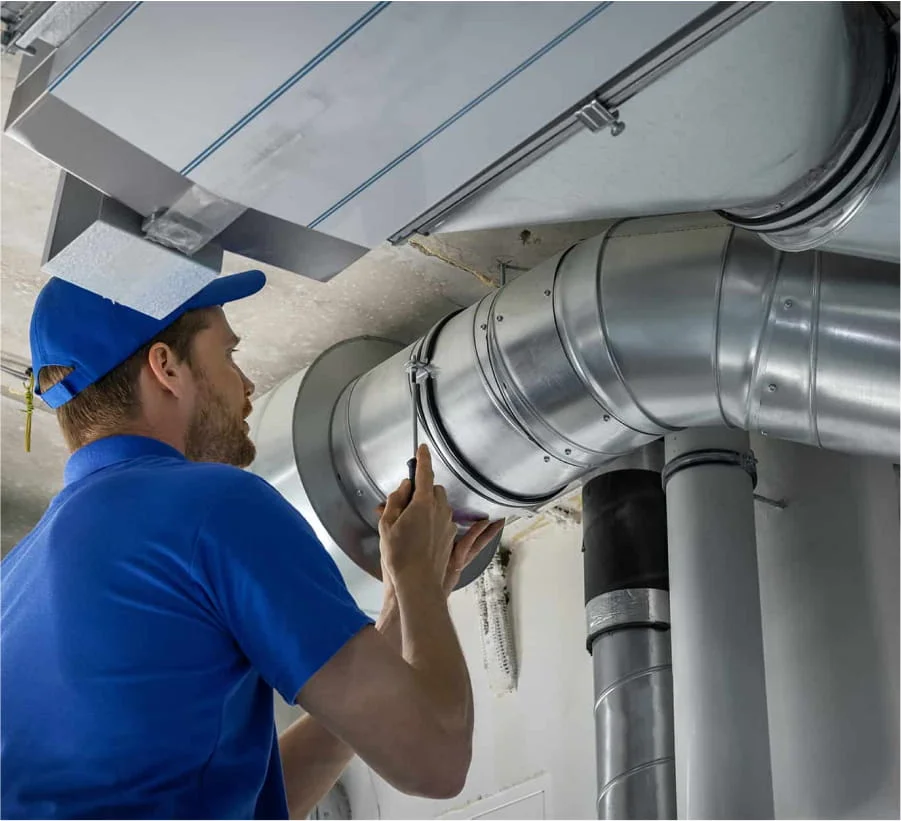
A properly functioning air conditioning system helps maintain a comfortable indoor environment throughout the year. While the air conditioner cools or heats the air, the ductwork distributes conditioned air throughout your home or commercial property. When ducts develop leaks, become disconnected, or suffer damage, the system may struggle to maintain consistent temperatures and deliver sufficient airflow. Timely air conditioning duct repairs can help restore system performance, reduce unnecessary energy waste, and improve indoor comfort.
Ductwork is often hidden behind walls, above ceilings, inside roof spaces, or beneath floors. Because these areas are not always easy to access, problems can develop without obvious warning signs. Homeowners may first notice weak airflow, uneven room temperatures, unusual noises, excessive dust, or rising energy bills.
However, these symptoms do not always indicate damaged ducts. Dirty air filters, blocked vents, faulty fans, and other HVAC problems can produce similar effects. A professional inspection can identify the actual cause and determine whether repairs, insulation improvements, or duct replacement are necessary.
This guide explains the common signs of duct damage, the different repair methods available, factors that affect repair costs, and the benefits of maintaining a well-sealed duct system. It also covers maintenance tips and frequently asked questions to help homeowners and business owners make informed decisions.
What Are Air Conditioning Duct Repairs?
Air conditioning duct repairs involve identifying and fixing problems in the ductwork that distributes conditioned air throughout a building.
A typical duct system includes supply ducts, return-air pathways, joints, fittings, insulation, and air vents. Supply ducts carry cooled or heated air into rooms, while return ducts allow air to travel back to the HVAC equipment for recirculation.
Over time, ductwork can develop leaks, loose connections, damaged insulation, crushed sections, or corrosion. Poor installation and unsuitable duct sizing can also affect airflow and overall performance.
Professional air conditioning duct repairs may involve sealing leaks, reconnecting separated sections, replacing damaged duct material, repairing insulation, or correcting airflow restrictions.
The appropriate repair depends on the duct material, the location of the damage, the age of the system, and the property’s heating and cooling requirements.
In many cases, a small repair can restore performance without requiring a complete duct replacement. However, widespread damage or deteriorating materials may make replacement a more practical long-term option.
Common Signs Your Air Conditioning Ducts Need Repair
Recognising the warning signs of duct damage can help you address problems before they become more extensive.
Weak Airflow From Vents
Weak airflow is one of the most noticeable signs of a potential duct problem.
You may notice that air comes out strongly from one vent but barely reaches another room. This can happen when ducts are leaking, disconnected, crushed, or restricted.
Dirty filters, blocked coils, and blower problems can also reduce airflow. Check accessible vents and replace or clean filters according to the manufacturer’s instructions.
If airflow remains poor, an HVAC technician can inspect the ductwork and equipment to identify the underlying cause.
Uneven Temperatures Between Rooms
If some rooms remain warm while others cool properly, the duct system may not be distributing conditioned air effectively.
Leaks, poorly designed duct routes, restricted sections, and inadequate airflow balancing can contribute to this problem.
Other factors, including sunlight exposure, insulation, window quality, and room size, may also affect indoor temperatures.
A professional assessment can determine whether duct repairs will resolve the temperature differences or whether additional improvements are needed.
Rising Energy Bills
An unexplained increase in energy costs may indicate that your air conditioning system is operating inefficiently.
When conditioned air escapes through leaking ducts, less air reaches the intended rooms. The system may then run longer to maintain the thermostat setting.
Energy prices, weather conditions, equipment efficiency, and thermostat settings can also affect your bills.
If duct leakage is contributing to wasted energy, repairing the affected sections may help improve performance.
Excessive Dust Around Vents
Dust collecting around vents or throughout the home may indicate problems with the ductwork or filtration system.
Leaking return ducts can draw dust and particles from surrounding spaces into the air circulation system.
However, household dust also comes from outdoor air, pets, carpets, and everyday activities.
A professional inspection can establish whether duct leaks are contributing to the issue.
Unusual Noises From the Ductwork
Rattling, whistling, popping, or banging sounds may indicate loose connections, inadequate supports, pressure changes, or restricted airflow.
Some noise is normal as duct materials expand and contract with temperature changes.
Persistent or unusually loud sounds should be investigated, especially when accompanied by weak airflow or inconsistent temperatures.
Musty Odours When the System Runs
Musty smells may indicate moisture problems, dirty components, drainage issues, or contamination within the HVAC system.
Damaged insulation and condensation can contribute to moisture-related problems in certain conditions.
Sealing ducts alone will not solve an underlying water leak or humidity issue. The source should be identified before repairs begin.
What Causes Air Conditioning Duct Damage?
Understanding the causes of duct problems can help homeowners choose appropriate repairs and reduce future damage.
Age and Material Deterioration
Ductwork can deteriorate over time because of environmental conditions, material quality, installation methods, and maintenance history.
Flexible ducts may develop tears or become compressed, while metal ducts can corrode when exposed to persistent moisture.
The actual condition of the ductwork is more important than age alone. A well-maintained system may remain functional for many years, while poorly installed ducts can develop problems much sooner.
Poor Installation
Incorrectly installed ductwork may have loose connections, excessive bends, inadequate supports, or poorly sealed joints.
These defects can restrict airflow and allow conditioned air to escape.
In some cases, repairs must address the original installation problem rather than simply sealing a visible gap.
Physical Damage
Construction work, storage activities, pests, or accidental contact can damage ducts in roof spaces, crawl spaces, and utility areas.
Flexible ducts are particularly vulnerable to crushing and tearing if they are not adequately supported.
Damaged sections should be repaired promptly to prevent further deterioration.
Air Leaks at Connections
Duct joints and fittings can develop gaps when connections loosen or sealing materials deteriorate.
These leaks allow conditioned air to escape into surrounding spaces instead of reaching the intended rooms.
Suitable sealants and correct installation techniques can help restore the duct system’s integrity.
Moisture and Condensation
Condensation can form when warm, humid air contacts cold duct surfaces under certain conditions.
Persistent moisture may damage insulation, encourage corrosion, and contribute to microbial growth.
Repairs should address both the damaged material and the underlying moisture source, which may involve insulation, drainage, humidity control, or air leakage.
Types of Air Conditioning Duct Repairs
Different ductwork problems require different repair methods. An HVAC professional should inspect the system before recommending a solution.
Sealing Leaking Ducts
Duct sealing addresses gaps around joints, seams, and connections.
Professionals may use suitable duct sealant or approved metal-backed tape designed for HVAC applications. Ordinary cloth duct tape is generally not a reliable long-term sealing solution.
Sealing accessible leaks can reduce air loss and help deliver more conditioned air to the intended rooms.
Reconnecting Disconnected Ducts
Duct sections can become separated because of loose fittings, physical disturbance, or poor installation.
A disconnected duct may release conditioned air into an attic, crawl space, or wall cavity instead of delivering it to a room.
Repairing the connection usually involves securing the duct sections, sealing the joint, and checking the surrounding supports.
Repairing Damaged Flexible Ducts
Flexible ductwork may develop tears, compression, or damaged insulation.
Depending on the extent of the damage, a technician may repair the affected area or replace the section.
The duct should be properly supported and routed to avoid unnecessary bends or compression that could restrict airflow.
Repairing Duct Insulation
Insulation helps reduce heat transfer through ducts that pass through unconditioned spaces.
Damaged, missing, or wet insulation can affect system performance and increase the risk of condensation.
A technician should determine whether the insulation can be repaired or whether the affected material needs replacement.
Correcting Airflow Restrictions
Airflow problems may result from crushed ducts, poorly designed transitions, excessive bends, or unsuitable duct sizing.
Repairs may involve removing restrictions, correcting the duct route, or modifying selected sections.
The assessment should also consider filters, coils, dampers, fans, and return-air pathways because these components influence airflow.
Benefits of Professional Air Conditioning Duct Repairs
When damaged ductwork is responsible for cooling or heating problems, appropriate repairs can improve system performance.
Improved Air Distribution
Repairing leaking or disconnected ducts can help deliver conditioned air to the rooms the system is designed to serve.
This may reduce temperature differences when duct damage is the primary cause.
Reduced Energy Waste
Leaking ducts can waste conditioned air, particularly when they pass through unconditioned spaces.
Sealing leaks may reduce this waste and help the system operate more efficiently.
The actual energy savings depend on the severity of the leakage, the duct location, equipment efficiency, and the quality of the repair.
More Consistent Indoor Comfort
Properly functioning ductwork supports more consistent air distribution throughout a property.
Repairs may help address rooms that remain too warm, receive insufficient airflow, or take longer to reach the desired temperature.
Other factors, such as insulation and equipment capacity, may also need attention.
Reduced Strain From Ductwork Problems
Severe restrictions and leakage can affect HVAC performance.
Correcting these issues may help the system deliver air as intended. However, duct repairs cannot prevent every equipment failure, so routine maintenance remains important.
Improved Indoor Air Management
Sealing damaged return ducts can reduce the entry of dust and unwanted particles from surrounding spaces when leakage is responsible for their introduction.
The overall effect depends on the location of the leaks, the filtration system, ventilation, and other indoor air quality factors.
How Much Do Air Conditioning Duct Repairs Cost?
The cost of air conditioning duct repairs depends on the type of damage, the amount of work required, the duct material, and accessibility.
A small repair to an accessible connection generally requires less work than repairing several damaged sections behind walls or ceilings.
Because labour rates and material costs vary by location, it is best to obtain a local quotation based on an inspection.
Type and Extent of Damage
A small leak may be relatively straightforward to seal, while widespread damage may require several repairs or replacement of multiple duct sections.
The contractor should identify the affected areas and explain why each repair is necessary.
Duct Material
Flexible ducts, metal ducts, and fibreglass duct board require different repair methods and materials.
The appropriate solution depends on the material specifications, damage, and installation requirements.
Accessibility
Ductwork in an open attic or accessible utility area is generally easier to inspect than ducts concealed behind finished surfaces.
Difficult access can increase labour costs and may require additional work to open and restore ceilings or walls.
Insulation and Moisture Problems
If insulation is damaged or moisture has affected the ductwork, additional work may be necessary.
The quotation should clarify whether insulation replacement, moisture control, sealing, and disposal of damaged materials are included.
Inspection and Testing
Some projects require airflow measurements, duct leakage testing, or additional HVAC diagnostics.
These services can help identify the source of the problem and verify the effectiveness of the repair.
When comparing quotations, review the scope of work, materials, testing, warranty terms, and additional charges instead of choosing solely by price.
The Professional Air Conditioning Duct Repair Process
A structured repair process helps ensure that the underlying problem is addressed.
Step 1: Inspect the Duct System
The technician examines accessible ducts, connections, insulation, vents, and return-air pathways.
They look for leaks, disconnected sections, damaged materials, airflow restrictions, and moisture concerns.
Step 2: Identify the Cause
The technician determines whether the problem originates in the ductwork, air conditioning equipment, or another part of the building.
Depending on the symptoms, this may involve checking filters, coils, blower operation, airflow, and duct leakage.
Step 3: Recommend a Suitable Repair
The repair plan should explain which sections need attention and whether sealing, reconnection, insulation work, or replacement is appropriate.
Ask the contractor to explain the proposed solution and any limitations.
Step 4: Complete the Repair
The technician repairs the affected areas using suitable materials and installation methods.
Connections should be secured, leaks sealed, and insulation restored where necessary.
Step 5: Test System Performance
After the repair, the technician checks system operation and confirms that the repaired sections function correctly.
Where appropriate, airflow measurements or leakage testing can help verify the results.
Step 6: Explain Maintenance Requirements
Before the work is completed, ask about any remaining issues and recommended maintenance.
A clear service report can help you track the work performed and identify future maintenance needs.
How to Choose a Reliable Air Conditioning Duct Repair Company
Choosing an experienced contractor can help ensure that repairs address the underlying problem.
Look for an appropriately qualified HVAC professional who can inspect the system, explain the findings, and recommend suitable repairs.
Request a written quotation that describes the work, materials, labour, and any testing included.
Check relevant qualifications, licences where required in your location, insurance information, and warranty terms.
Be cautious of recommendations for complete duct replacement without a clear explanation of why targeted repairs would be insufficient.
A reliable contractor should also explain whether symptoms may be caused by the air conditioning equipment rather than the ductwork itself.
Tips to Prevent Future Duct Problems
Regular maintenance can help keep ductwork in good condition.
Replace or clean air filters according to the manufacturer’s instructions. Dirty filters can restrict airflow and affect system performance.
Keep supply and return vents unobstructed by furniture, curtains, and other objects.
Arrange periodic HVAC inspections to check accessible connections, insulation, supports, and equipment performance.
Avoid placing heavy objects against flexible ducts or walking on unsupported ductwork in roof spaces and crawl spaces.
Address water leaks and persistent condensation promptly to reduce the risk of material damage.
If you notice weak airflow, unusual noises, or new temperature differences, arrange an inspection before the problem becomes more extensive.
Frequently Asked Questions
What Are Air Conditioning Duct Repairs?
Air conditioning duct repairs involve fixing leaking, damaged, disconnected, or restricted ductwork that carries conditioned air throughout a building. Common repairs include sealing joints, reconnecting sections, replacing damaged material, and restoring insulation.
How Do I Know If My AC Ducts Are Leaking?
Possible signs include weak airflow, uneven room temperatures, unusual noises, and unexplained increases in energy bills. A professional inspection or duct leakage test can help confirm whether leaks are present.
Can Air Conditioning Duct Repairs Reduce Energy Bills?
They may reduce energy waste when duct leakage or other ductwork problems contribute to inefficient cooling or heating. Savings depend on the extent of the damage and the quality of the repair.
How Much Do Air Conditioning Duct Repairs Cost?
Costs depend on the damage, duct material, accessibility, labour, and whether insulation or additional testing is required. Request a written quotation after a professional inspection.
Should I Repair or Replace My AC Ducts?
Repairs may be suitable when damage is limited and the remaining ductwork is in good condition. Replacement may be more practical when damage is widespread, materials have deteriorated, or the existing layout cannot deliver suitable airflow.
Can Damaged Ducts Affect Indoor Air Quality?
They can contribute to dust or contaminant entry under certain conditions, especially when leaking return ducts draw air from dusty or contaminated spaces. Other sources of indoor air pollution should also be investigated.
How Long Do Air Conditioning Duct Repairs Take?
Minor repairs may take relatively little time, while extensive work can take longer, particularly when ducts are difficult to access. The contractor should provide an estimated schedule after inspecting the damage.
Can I Repair AC Ducts Myself?
Some minor repairs to accessible ductwork may be possible for experienced homeowners. However, repairs involving concealed ducts, significant damage, insulation, or airflow design are generally better handled by an HVAC professional.
What Materials Are Used for Duct Repairs?
Depending on the system, repairs may involve suitable duct sealants, approved metal-backed tape, mechanical fasteners, replacement flexible duct sections, sheet metal, and compatible insulation.
How Often Should Air Conditioning Ducts Be Inspected?
Inspection frequency depends on the system, building conditions, and previous problems. Periodic HVAC maintenance and prompt assessment of new symptoms can help identify ductwork issues before they become more serious.
Conclusion
Air conditioning duct repairs are important when leaking, damaged, or restricted ductwork prevents an HVAC system from distributing conditioned air effectively. Weak airflow, uneven temperatures, unusual noises, and unexplained energy cost increases can indicate that an inspection is needed.
However, these symptoms can also result from dirty filters, faulty equipment, or other building conditions. Identifying the actual cause is essential before choosing a repair method.
By repairing damaged connections, sealing leaks, addressing insulation problems, and testing system performance, homeowners can help restore duct efficiency and improve indoor comfort.
Regular HVAC maintenance and timely attention to warning signs can also reduce the risk of recurring problems. With a reliable contractor and a practical maintenance plan, you can keep your duct system operating more effectively throughout the year.