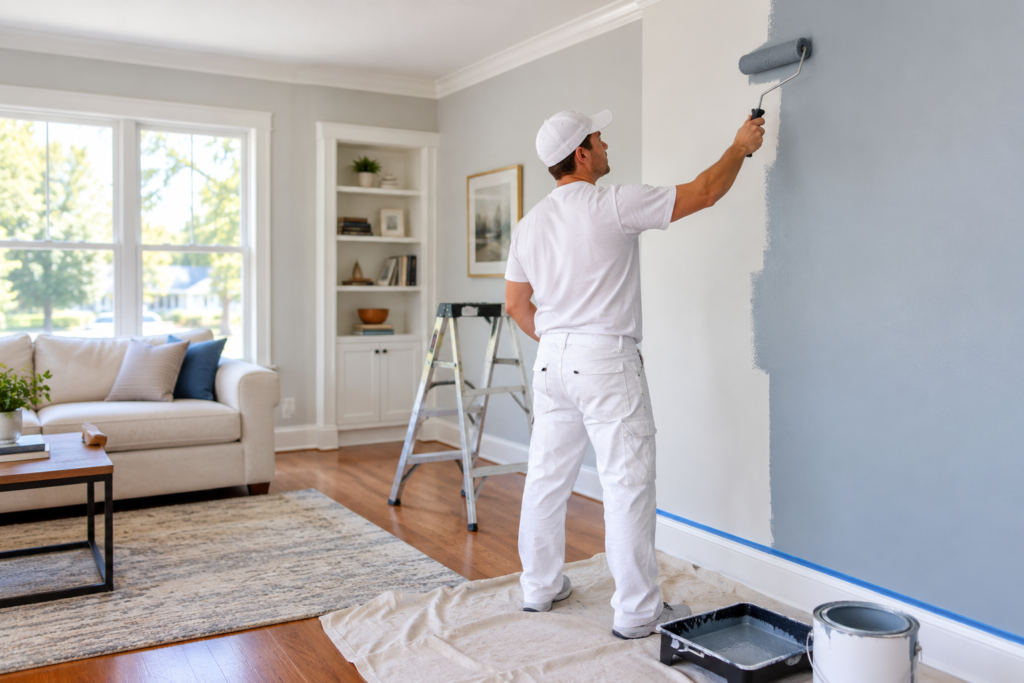
Interior paint has a significant influence on how a home looks and feels. The right colors can make a room appear brighter, establish a relaxing atmosphere, and complement existing furniture and architectural details. Whether you want to update a single bedroom or repaint an entire property, a well-planned painting project offers an effective way to refresh your living environment without undertaking a major renovation.
Homeowners considering interior painters in Wilmette, IL should look beyond color selection when planning their projects. Surface preparation, paint quality, room lighting, and the finish selected for each area all influence the final result. Understanding these factors helps you establish realistic expectations and choose an approach that suits your home.
Choosing Interior Paint Colors That Complement Your Home
Color selection is often the first decision homeowners make, but the best choice depends on the room’s dimensions, lighting, furniture, and intended use.
Neutral shades such as warm white, beige, and soft gray provide flexible backgrounds for different decorating styles. They work particularly well when you want to update accessories or furniture without repainting the walls.
Blue and green tones can create a restful atmosphere in bedrooms and quiet living spaces. Warmer colors introduce energy into social areas, while darker shades add depth when used thoughtfully.
Before selecting a final color, consider the following factors:
A. Natural light: Rooms with limited daylight can look different from spaces with large windows.
B. Artificial lighting: Bulb color and brightness influence how paint appears in the evening.
C. Existing furnishings: Flooring, cabinets, furniture, and curtains affect how wall colors work together.
D. Room size: Light and dark colors create different visual effects depending on the space and layout.
E. Adjacent rooms: Coordinated colors create a more consistent appearance throughout the home.
Test sample colors directly on the wall and examine them at different times of day. This simple step helps you evaluate the color under your home’s actual lighting conditions.
Why Wall Preparation Is Essential
Even high-quality paint cannot produce a professional-looking finish when applied over a damaged or dirty surface. Cracks, nail holes, peeling paint, and uneven patches often become more noticeable after repainting.
Proper preparation begins with inspecting the walls, ceilings, trim, and other surfaces included in the project. Loose paint should be removed, minor holes repaired, and rough areas smoothed where appropriate.
Surfaces must also be clean and dry. Kitchens and frequently used hallways sometimes accumulate grease, dust, and fingerprints that interfere with adhesion.
Depending on the condition of the existing finish, a suitable primer might be necessary. Priming is particularly important on bare drywall, certain repaired areas, and surfaces requiring additional stain coverage or adhesion.
The number of coats required also depends on the surface condition, paint color, product coverage, and the color being covered. A significant change from a dark shade to a lighter one, or the reverse, may require additional coats to achieve an even appearance. Your painting contractor can recommend the appropriate application based on the existing surface and selected paint.
Experienced interior painters in Wilmette, IL evaluate these conditions before applying paint. Addressing imperfections at the beginning helps create a consistent finish and reduces the likelihood of visible defects.
Selecting the Right Paint Finish for Each Room
Paint finish affects both appearance and maintenance. Different rooms experience different levels of moisture, contact, and everyday wear.
Flat and matte finishes minimize the appearance of minor surface imperfections. They are often suitable for ceilings and selected low-traffic areas, although cleaning performance varies by product.
Eggshell finishes provide a subtle sheen and are commonly considered for living rooms, dining rooms, and bedrooms.
Satin finishes offer greater sheen and are often useful in hallways, family rooms, and other areas that need regular cleaning.
Semi-gloss finishes are frequently used on trim, doors, and certain moisture-prone surfaces when the product is suitable for the application.
Homeowners who want to reduce paint-related odours may also consider low-VOC and low-odour products. VOCs, or volatile organic compounds, can be released into indoor air during and after painting. Product formulations vary, so check the manufacturer’s specifications and follow its ventilation and application recommendations. Low-VOC or low-odour paint can be a useful option for occupied homes, but it does not eliminate the need for appropriate ventilation.
No single finish works best everywhere. Consider the condition of the surface, the room’s function, and the manufacturer’s cleaning and application recommendations before making your selection.
Preparing Your Home Before the Painters Arrive
A little preparation helps keep the project organized. Remove small decorative items, clear accessible surfaces, and move furniture away from the walls when practical.
Discuss furniture handling with the painting contractor before work begins. Some projects include moving and protecting furniture, while others require homeowners to complete these tasks.
Protecting floors, covering furnishings, and masking appropriate areas helps prevent accidental paint splashes. If the project includes cabinets, doors, or trim, confirm whether those surfaces require additional preparation or separate scheduling.
Also discuss ventilation, drying time, access to rooms, and how the work will be coordinated if several areas are being painted simultaneously.
Ask how long each room is expected to remain out of use. The timeline depends on the amount of preparation, the number of coats, drying intervals, ventilation, and the manufacturer’s instructions. A single room may be ready for limited use sooner than a larger project involving several coats or extensive repairs. Planning the work in stages can help maintain access to essential areas of the home.
What to Consider When Hiring an Interior Painter
Request a written estimate that outlines the preparation work, paint products, number of coats, surfaces included, and cleanup responsibilities.
Ask whether minor wall repairs are included and how additional problems will be handled if they appear during preparation. Clarify the expected schedule and discuss any restrictions that could affect access to bedrooms, kitchens, or other essential spaces.
Review the contractor’s experience with similar projects and ask about insurance and payment terms. Comparing the complete scope of work provides a better basis for evaluating estimates than comparing prices alone.
Maintaining Your Newly Painted Interior
Allow paint to dry and cure according to the manufacturer’s instructions before washing walls or placing furniture directly against freshly painted surfaces. Drying time and curing time are different. Paint may feel dry to the touch within hours, but it can take considerably longer to reach its full hardness and durability. The exact timeline varies by product and environmental conditions.
Before moving furniture back into place, check the paint manufacturer’s guidance and ask your contractor when the room can safely be used again. Avoid washing newly painted walls until the recommended curing period has passed. Following these instructions helps prevent scuffs, marks, and damage to the finish.
Remove dust gently, clean marks using a suitable method, and avoid abrasive products that could damage the finish. Keep leftover paint labeled with the room and color information for future touch-ups.
Inspect high-traffic areas periodically and address scuffs or minor damage before they become more noticeable.
Conclusion
Interior painting offers a practical way to refresh your Wilmette home while improving the appearance and consistency of your living spaces. Thoughtful color selection, proper surface preparation, suitable finishes, and careful application all contribute to a successful result.
If you are planning an interior painting project in Wilmette, IL, identify your priorities, evaluate your walls, and request a detailed estimate from qualified professionals. Discuss paint options, the expected number of coats, and how long each room will be unavailable so you can plan around your household’s needs. Careful planning helps you achieve an attractive finish that suits your home and everyday needs.