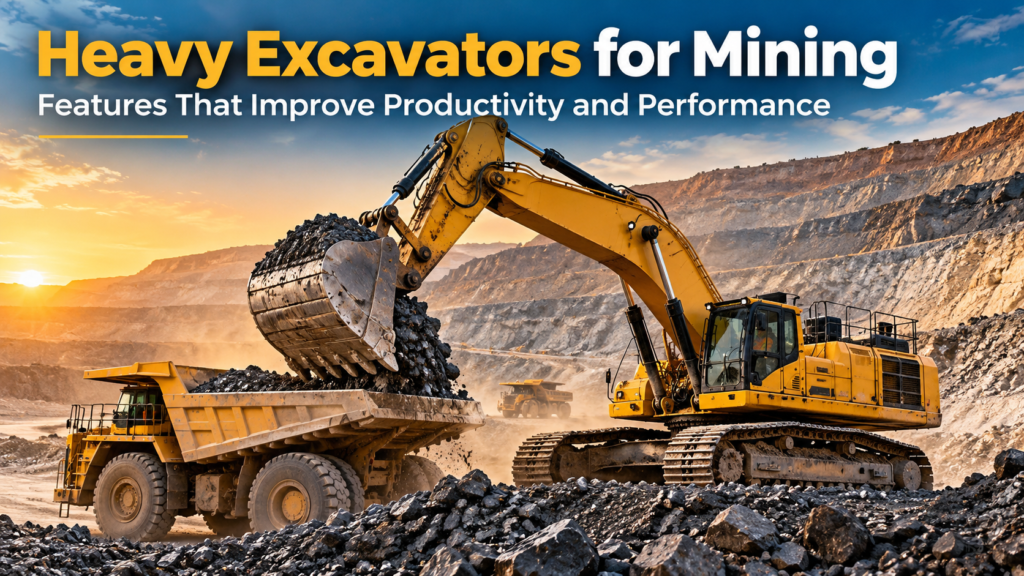
Mining operations require powerful, reliable, and efficient machinery to handle demanding working conditions. From excavating hard rock and removing overburden to loading minerals and transporting extracted materials, heavy-duty equipment plays a vital role in maintaining productivity. Among the most essential machines used in these operations are heavy excavators for mining, designed to deliver high digging power, operational efficiency, and dependable performance across challenging terrains.
Choosing the right excavator can help mining companies improve productivity, manage operating costs, and maintain consistent output. Modern excavators combine advanced hydraulic systems, powerful engines, durable undercarriages, and operator-focused technology to meet the requirements of large-scale mining projects.
Kobelco Construction Equipment India offers advanced excavator solutions designed to support demanding construction, quarrying, and mining applications. Understanding the features that influence excavator performance can help businesses select equipment that aligns with their operational requirements.
Why Are Heavy Excavators Important for Mining?
Mining sites involve demanding tasks such as digging through hard soil, handling rocks, removing overburden, and loading extracted materials into dump trucks. Standard construction equipment may not provide the capacity and durability required for continuous heavy-duty operations.
Heavy excavators are designed to manage these challenges through powerful digging mechanisms, robust structures, and high-capacity hydraulic systems. Their ability to move large volumes of material makes them valuable for open-pit mining, quarrying, mineral extraction, and other large-scale earthmoving activities.
Some key advantages of using heavy excavators in mining include:
- Higher productivity: Powerful digging performance helps operators move large quantities of material efficiently.
- Improved operational efficiency: Suitable machine configurations can reduce unnecessary cycle delays.
- Versatile applications: Compatible attachments support digging, rock handling, excavation, and material loading.
- Reliable performance: Durable components help machines withstand demanding site conditions.
- Better cost management: Fuel-efficient operation and effective maintenance planning can help reduce overall operating expenses.
Selecting the right machine based on material type, excavation depth, working conditions, and production targets is essential for achieving these benefits.
Key Features of Heavy Excavators for Mining That Improve Productivity
When evaluating heavy excavators for mining, businesses should look beyond machine size and engine power. Several technical features influence productivity, fuel usage, reliability, and overall operating performance.
1. Powerful Engine and High Digging Force
Mining applications often involve dense soil, compacted material, and hard rock. An excavator needs sufficient engine power and digging force to handle these conditions without compromising operational efficiency.
Powerful engines support demanding excavation tasks, while well-designed hydraulic systems deliver the force required to operate the boom, arm, and bucket. The combination of engine output and hydraulic performance helps maintain efficient digging cycles and consistent material handling.
When choosing an excavator, consider engine power, bucket capacity, digging depth, breakout force, and the type of material being excavated. The right combination can improve output while preventing the machine from being unnecessarily oversized for the application.
2. Advanced Hydraulic Systems
Hydraulic performance directly affects how efficiently an excavator performs digging, lifting, swinging, and loading operations. In mining environments, responsive hydraulic systems allow operators to control machine movements with greater precision.
Modern hydraulic technology can help improve the coordination of different machine functions, reduce unnecessary delays, and support smoother operating cycles. Efficient hydraulic performance is particularly important when excavators work continuously to load dump trucks or remove overburden.
For mining companies, evaluating hydraulic flow, pressure, control responsiveness, and attachment compatibility can help determine whether a machine suits specific site requirements.
3. Fuel Efficiency and Optimized Engine Performance
Fuel is a major operating expense in mining, especially when heavy machinery works for extended periods. Choosing an excavator with low fuel consumption can help businesses manage daily operating costs while maintaining the productivity required for large-scale excavation.
Fuel efficiency depends on several factors, including engine technology, hydraulic design, workload, operator practices, maintenance condition, and the suitability of the machine for the application.
An excavator that matches the job requirements can avoid unnecessary fuel use caused by excessive machine capacity or inefficient operating cycles. Features such as selectable work modes, optimized engine settings, and efficient hydraulic controls may also help improve fuel utilization, depending on the model.
When comparing machines, evaluate fuel consumption against actual production output rather than looking at fuel usage alone. Measuring fuel consumed per cubic metre or tonne of material moved can provide a more useful picture of operating efficiency.
4. Durable Undercarriage and Robust Structure
Mining sites frequently feature uneven ground, abrasive materials, rocky surfaces, and challenging travel conditions. These environments place additional stress on an excavator’s undercarriage, tracks, boom, arm, and other structural components.
A robust machine structure helps support demanding digging and material-handling operations. A suitable undercarriage configuration can also improve stability and mobility on challenging terrain.
Before purchasing an excavator, consider the durability of its major components, the availability of replacement parts, and the maintenance requirements associated with the working environment. Regular inspections of tracks, rollers, sprockets, and other wear components can help prevent avoidable downtime.
5. Large Bucket Capacity and Efficient Loading Cycles
Bucket capacity plays an important role in determining how much material an excavator can move during each digging cycle. A suitable bucket can help improve loading productivity and reduce the number of cycles required to fill a dump truck.
However, selecting the largest available bucket is not always the best approach. Bucket size must match the material density, digging resistance, machine capabilities, and dump truck capacity.
For example, lighter material may allow the use of a larger bucket, while dense rock may require a smaller bucket to maintain efficient and safe operation. Matching excavator bucket capacity with truck payload and loading height can help improve the overall material-handling cycle.
6. Operator Comfort and Advanced Controls
Mining operators may spend long hours inside the excavator cabin. An ergonomic operating environment can support comfort, concentration, and consistent machine control throughout a shift.
Features such as adjustable seating, clear visibility, intuitive controls, effective climate control, and reduced cabin vibration can contribute to a better working environment.
Advanced monitoring displays can also help operators track machine information and identify important operating indicators. Depending on the model, electronic monitoring and telematics may provide insights into fuel usage, machine health, operating hours, and maintenance requirements.
Better visibility and responsive controls are particularly valuable when working around haul trucks, other heavy machinery, and personnel on busy mining sites.
7. Easy Maintenance and Reduced Downtime
Mining productivity depends not only on how quickly an excavator works but also on how consistently it remains available for operation. Unexpected breakdowns and extended maintenance periods can disrupt production schedules and increase operating costs.
Accessible service points, dependable components, planned maintenance schedules, and readily available spare parts can help simplify equipment upkeep.
Daily inspections, timely replacement of wear components, and regular servicing of filters, hydraulic systems, and engine components can help maintain machine performance. Businesses should also evaluate local dealer support, technician availability, warranty coverage, and service response times before purchasing heavy equipment.
A machine that is easier to maintain can help mining operators plan equipment availability more effectively and reduce avoidable interruptions.
How to Choose a Fuel-Efficient Excavator for Mining in India
Finding a fuel efficient excavator India businesses can rely on requires a balanced evaluation of performance, operating costs, site conditions, and after-sales support. Fuel efficiency should be considered alongside production capacity, reliability, and the total cost of ownership.
Here are some important factors to evaluate before making a purchase.
Assess Your Mining Requirements
Start by identifying the type of mining operation, the material being excavated, the average working hours, and the volume of material that must be moved daily.
Large open-pit operations may require high-capacity excavators, while smaller quarries may benefit from a different machine size and configuration. Matching equipment to the application helps prevent unnecessary fuel consumption and improves operational suitability.
Compare Fuel Consumption and Productivity
Request fuel consumption information for the specific excavator model and operating conditions under consideration. Compare this information with expected material output to understand the machine’s operating efficiency.
Two excavators may consume different amounts of fuel per hour but deliver different production volumes. Evaluating fuel consumption per unit of material moved can therefore provide a more meaningful comparison.
Evaluate Engine and Hydraulic Technology
Efficient engine management and hydraulic systems can contribute to lower fuel usage when properly matched to the application. Check whether the excavator offers suitable work modes, responsive hydraulic controls, and monitoring features that support efficient operation.
Always verify the specifications and expected performance of the exact model rather than assuming that all machines in the same category offer identical fuel-saving features.
Consider Maintenance and Dealer Support
Fuel efficiency can decline when machines are poorly maintained. Clogged filters, worn components, incorrect operating practices, and hydraulic inefficiencies can all affect performance.
Choose equipment supported by a dependable service network, accessible spare parts, and qualified technicians. Consistent maintenance helps protect machine performance and supports long-term cost management.
Calculate Total Cost of Ownership
Purchase price is only one part of the investment. Fuel, servicing, wear parts, repairs, operator requirements, and machine downtime also contribute to long-term ownership costs.
Evaluating these factors together helps businesses identify an excavator that offers the right balance of productivity, durability, and operating efficiency.
Why Choose Kobelco Construction Equipment India for Heavy-Duty Excavation?
Selecting a reliable equipment manufacturer is an important decision for mining and quarrying businesses. Machinery must be suitable for demanding site conditions while offering dependable performance and access to service support.
Kobelco Construction Equipment India is a recognized name in the excavator segment, offering equipment solutions for a range of construction and earthmoving applications. Businesses evaluating excavators for demanding operations should consider machine specifications, digging performance, fuel efficiency, durability, and application suitability when reviewing the available range.
Key considerations when evaluating Kobelco excavators for heavy-duty work include:
- Performance requirements: Assess engine output, digging force, and hydraulic capabilities against the demands of your site.
- Operational efficiency: Compare fuel consumption and material output under representative working conditions.
- Machine configuration: Choose suitable bucket capacity, attachments, and undercarriage specifications for the application.
- Operator-focused design: Evaluate cabin comfort, visibility, and ease of operation.
- Service and maintenance support: Confirm the availability of genuine parts, trained technicians, and timely servicing.
For businesses searching for heavy excavators for mining, the best equipment choice is one that meets production targets, suits the operating environment, and delivers dependable performance over its working life.
Explore the available equipment and product specifications at the official Kobelco Construction Equipment India website to identify a machine suited to your operational needs.
Best Practices to Improve Excavator Productivity and Performance
Even a powerful excavator requires effective operating practices to deliver consistent results. Mining companies can improve equipment utilization by focusing on the following areas.
Train Operators in Efficient Operating Techniques
Proper operator training can improve digging accuracy, loading cycles, and machine handling. Operators should understand the machine’s work modes, control systems, and recommended operating procedures.
Avoiding unnecessary idling, excessive repositioning, and inefficient swing movements can help reduce wasted time and fuel.
Match Excavators with Haul Trucks
Efficient coordination between excavators and haul trucks is essential for continuous mining operations. The right combination helps reduce truck waiting time and prevents excavators from sitting idle while waiting for vehicles.
Plan loading areas, truck positioning, and travel routes to maintain a consistent material flow.
Follow Preventive Maintenance Schedules
Regular servicing helps identify wear, leaks, and potential mechanical problems before they lead to major failures. Follow the manufacturer’s maintenance recommendations and maintain accurate service records.
Preventive maintenance supports reliability, equipment availability, and long-term operating efficiency.
Monitor Machine Performance
Where available, use machine monitoring and telematics data to track operating hours, fuel consumption, idle time, and maintenance indicators.
Reviewing these measurements can help businesses identify inefficient operating practices and make informed decisions about equipment utilization.
Select Suitable Attachments
Buckets and other compatible attachments should be selected according to the material and the work being performed. Using the right attachment improves digging effectiveness and helps avoid unnecessary strain on the machine.
Always confirm attachment compatibility and operating limits with the manufacturer or authorized dealer.
Frequently Asked Questions (FAQs)
1. What are heavy excavators for mining used for?
Heavy excavators for mining are used for digging, overburden removal, rock excavation, quarrying, mineral handling, and loading materials into haul trucks. Their powerful digging systems and robust construction make them suitable for demanding earthmoving operations.
2. Which features improve the productivity of mining excavators?
Key features include powerful engines, efficient hydraulic systems, suitable bucket capacity, durable undercarriages, responsive controls, operator comfort, and effective machine monitoring. The right combination depends on the material, site conditions, and production targets.
3. How can I choose an excavator with low fuel consumption?
Look for a machine whose engine and hydraulic performance match your workload. Compare fuel consumption against actual material output, consider efficient operating modes, train operators to reduce unnecessary idling, and follow preventive maintenance schedules.
4. What should I consider when buying a fuel efficient excavator in India?
Evaluate the excavator’s application suitability, fuel consumption, production capacity, durability, maintenance requirements, spare-part availability, and dealer support. Compare total ownership costs instead of basing the decision solely on the initial purchase price.
5. Why is bucket capacity important in mining operations?
Bucket capacity affects the amount of material moved per cycle and the time required to load haul trucks. Selecting the right bucket size for material density and machine capability can improve productivity and support efficient loading cycles.
6. How does preventive maintenance improve excavator performance?
Preventive maintenance helps identify developing faults, maintain engine and hydraulic efficiency, reduce unexpected breakdowns, and improve machine availability. Regular servicing is essential for reliable performance in demanding mining environments.
Also read: How Dutch Language Classes Can Help You Learn Dutch Faster
Conclusion
Heavy excavators are essential to modern mining operations, where productivity, durability, and operating efficiency directly influence project performance. Features such as powerful engines, advanced hydraulics, suitable bucket capacity, robust undercarriages, and operator-focused controls help these machines handle demanding excavation and material-handling tasks.
Choosing an excavator with low fuel consumption also requires evaluating real-world productivity, maintenance requirements, and the machine’s suitability for the application. Businesses looking for a fuel efficient excavator India can use should compare operating costs, performance specifications, and after-sales support before making a decision.
Kobelco Construction Equipment India is a brand to consider when evaluating excavator solutions for demanding earthmoving and construction applications. By selecting the right machine, following effective operating practices, and maintaining equipment regularly, businesses can improve productivity and support reliable performance across challenging projects.