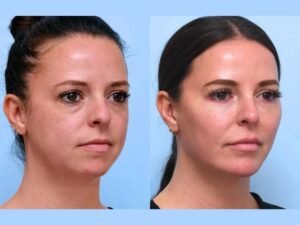
The appearance of the upper eyelids can influence the overall balance of the face, making the eyes look tired, heavy or less open than they once did. As the skin around the eyes changes with age, some people notice folds developing above the eyelashes, loose skin resting near the lash line or a gradual loss of definition in the upper eyelid crease. These changes can occur at different stages of life and vary considerably from one individual to another.
Upper blepharoplasty is a surgical procedure designed to address excess skin in the upper eyelids. However, determining whether someone is suitable for surgery involves more than simply identifying loose skin. A thorough assessment considers eyelid anatomy, skin elasticity, brow position, eye shape and the individual’s aesthetic goals.
For people exploring Upper Blepharoplasty in London, understanding how excess upper eyelid skin is assessed before surgery can help them prepare for a consultation and make informed decisions about their treatment options. At Bodyvie Clinic, an individualised approach to assessment helps establish which features are contributing to the appearance of the upper eyelids and whether surgery may be appropriate.
Why Is Excess Upper Eyelid Skin Assessed Before Surgery?
The upper eyelids contain delicate skin and underlying structures that contribute to eyelid movement, eye protection and facial expression. Over time, changes in skin elasticity and the supporting tissues can lead to folds or sagging around the eyes.
Ageing is a common factor, but genetics, natural facial anatomy and individual differences in skin quality can also influence eyelid appearance. Some people develop noticeable upper eyelid folds relatively early, while others retain a well-defined eyelid crease for much longer.
A preoperative assessment helps determine the amount and location of excess skin, how it affects the natural eyelid contour and whether other anatomical factors contribute to the concern. It also helps establish realistic expectations about the changes surgery may achieve.
Importantly, not every heavy-looking upper eyelid is caused by excess skin alone. The position of the eyebrows, the distribution of underlying tissue and the function of the eyelid muscles may all influence the appearance of the area. Identifying these factors helps guide a more personalised treatment plan.
How Is Excess Skin Around the Upper Eyelids Identified?
The assessment usually begins with a visual examination of the upper eyelids while the patient sits upright and looks naturally ahead. This position allows the practitioner to observe the eyelids in relation to the eyebrows, forehead and surrounding facial features.
Examining the Upper Eyelid Folds
One of the first considerations is the amount of skin extending over the natural upper eyelid crease. Excess skin may form a fold that partially covers the eyelid, creates a heavier appearance or reduces the visible space between the crease and eyelashes.
The practitioner evaluates where the skin gathers, how far it extends and whether the fold is present across the entire eyelid or concentrated towards the inner or outer corner.
The natural eyelid crease is also examined because its position and definition influence the overall appearance of the eyes. The objective is to understand the existing anatomy rather than assume that removing more skin will necessarily produce a better result.
Assessing Skin Elasticity and Quality
Skin quality provides useful information when planning upper eyelid surgery. Younger skin may retain more elasticity, while skin affected by ageing or environmental exposure may appear thinner, less resilient or more prone to folding.
The practitioner considers the texture, thickness and general condition of the skin, alongside the extent of visible laxity. These observations help determine whether excess skin is the main concern and how the eyelid may appear following treatment.
Skin quality is assessed alongside other anatomical features rather than used as an isolated measure of suitability. The final approach depends on the patient’s overall eyelid structure, individual needs and desired outcome.
How Does Eyebrow Position Affect Upper Eyelid Assessment?
The eyebrows play an important role in supporting the appearance of the upper eyelids. When the brows sit lower than their natural or preferred position, the skin between the eyebrows and eyelashes may appear heavier, even when the amount of excess eyelid skin is relatively limited.
During assessment, the practitioner observes the natural resting position of each eyebrow and its relationship with the upper eyelid crease. The forehead is also considered because some people unconsciously raise their eyebrows to make their eyes appear more open.
This compensatory movement can influence how the upper eyelids look during a consultation. Observing the face at rest helps distinguish between heaviness caused primarily by loose eyelid skin and heaviness associated with a lower brow position.
If the eyebrows contribute significantly to the concern, removing upper eyelid skin alone may not address the underlying issue as expected. A detailed examination helps clarify which anatomical features should be considered before deciding on an appropriate treatment approach.
Why Is Eyelid Symmetry Important Before Upper Blepharoplasty?
Although the eyes are often perceived as a matching pair, natural differences between the left and right sides of the face are common. One eyebrow may sit slightly higher, one eyelid crease may be more pronounced, or the amount of visible upper eyelid skin may differ between the eyes.
These differences are assessed before surgery because they can influence both treatment planning and the appearance of the final result.
The practitioner compares the height of the eyelid creases, the distribution of excess skin and the relationship between each eyelid and eyebrow. Photographs may also be used to document the existing anatomy and support discussion during the consultation.
The aim is not necessarily to create perfectly identical eyelids. Instead, assessment helps establish a plan that respects natural facial proportions and considers the patient’s preferred outcome.
Understanding pre-existing asymmetry also makes it easier to discuss what surgery may realistically improve and which differences are part of the individual’s natural facial structure.
What Role Does Eyelid Function Play in the Assessment?
Aesthetic concerns should be considered alongside the normal function of the eyelids. The upper eyelids help protect the eyes, maintain an appropriate tear film and support comfortable blinking.
During a consultation, the practitioner may examine how the eyelids move, whether they open and close comfortably and whether the upper eyelid margin sits in an appropriate position. If the eyelid itself appears to droop, further assessment may be needed to distinguish this from excess skin.
This distinction is important because dermatochalasis, which refers to excess eyelid skin, is not the same as ptosis, a condition involving a low position of the upper eyelid margin. The two can sometimes occur together, but they may require different considerations when planning treatment.
The patient’s experience is also relevant. Concerns such as difficulty applying eye makeup, a heavy sensation around the eyelids or skin interfering with the upper visual field can help provide context for the examination.
Where functional concerns are present, the practitioner may recommend additional evaluation before establishing a surgical plan.
How Are Individual Facial Features Considered During Planning?
Upper eyelid surgery is not planned according to a single standard measurement. Facial proportions, eye shape, eyelid crease height and the relationship between the brows and eyelids all influence the approach.
For example, a person with a naturally deep-set eye shape may have different aesthetic priorities from someone with fuller tissue around the upper eyelids. Similarly, the preferred appearance of the eyelid crease can vary according to individual anatomy and personal expectations.
The practitioner considers these features when evaluating how much skin may need to be addressed. The intention is to preserve an appropriate eyelid contour and avoid changing the natural character of the eyes unnecessarily.
Skin removal is therefore planned conservatively and individually. Removing an excessive amount of skin can affect eyelid closure, so the assessment must account for the skin needed to maintain normal function.
For patients considering Upper Eyelid Surgery In London, this personalised planning process helps connect their concerns with the anatomical findings observed during the consultation.
What Happens During an Upper Blepharoplasty Consultation?
A consultation provides an opportunity to review the patient’s concerns, examine the eyelids and discuss whether surgery is suitable.
The process generally includes a review of medical history, current medications, previous eye procedures and any existing eye-related symptoms. The practitioner may ask about contact lens use, dry-eye symptoms or other factors relevant to the eyes and eyelids.
A physical examination then focuses on the distribution of excess skin, eyelid crease position, eyebrow height, symmetry and eyelid movement. Depending on the findings, additional assessment may be recommended if another condition appears to contribute to the eyelid appearance.
The patient’s goals are equally important. Some people want a more visible upper eyelid crease, while others are primarily concerned about skin folding over the lashes or a heavy appearance around the eyes.
Discussing these priorities helps establish what can reasonably be achieved. It also allows the practitioner to explain the proposed approach, expected recovery and the practical considerations involved in proceeding with surgery.
At a Blepharoplasty Clinic in London, a detailed consultation should help patients understand the reasoning behind the recommended treatment rather than focusing solely on the amount of skin to be removed.
How Is the Appropriate Amount of Skin Removal Determined?
Deciding how much skin to remove requires careful consideration of the eyelid’s natural structure and function. The goal is to address the excess tissue while preserving enough skin for comfortable eyelid closure and normal movement.
The practitioner considers the extent of skin laxity, the existing eyelid crease, eyebrow position and the relationship between the eyelid margin and surrounding tissues. These findings guide the surgical markings and the proposed treatment plan.
The amount of skin removed can vary considerably between patients. Someone with a prominent fold extending across the upper eyelid may require a different approach from someone with mild, localised skin laxity.
The assessment also considers the patient’s preferred result. A natural-looking outcome does not necessarily mean creating a dramatically different eye shape. For many people, the priority is a more defined upper eyelid area that remains consistent with their existing facial features.
Careful planning helps balance aesthetic improvement with the preservation of normal eyelid function.
What Should Patients Consider Before Choosing Upper Blepharoplasty?
Before deciding on surgery, patients should understand the purpose of the procedure, the likely extent of improvement and the limitations of treatment. Upper blepharoplasty addresses excess skin, but it does not automatically correct every cause of eyelid heaviness or changes around the eyes.
It is useful to prepare questions about the assessment findings, the proposed surgical technique, the anticipated recovery period and the expected appearance as healing progresses. Patients should also discuss any concerns about eye comfort, existing asymmetry or previous treatments involving the eyelids.
Choosing an appropriately qualified practitioner and a clinic that provides an individualised assessment is an important part of the decision-making process.
At Bodyvie Clinic, patients exploring upper eyelid surgery can use the consultation to discuss their concerns and understand which treatment considerations are relevant to their anatomy and goals.
Taking time to understand the assessment process can help patients approach the decision with clearer expectations and greater confidence.
Conclusion
Assessing excess upper eyelid skin before surgery involves much more than identifying loose tissue. A thorough examination considers skin elasticity, eyelid crease definition, eyebrow position, facial symmetry, eyelid movement and the relationship between appearance and normal function.
These factors help determine whether excess skin is the main concern and guide decisions about the amount of tissue that may be addressed during surgery. They also help identify situations where another anatomical feature may need to be considered before proceeding.
For individuals researching Upper Blepharoplasty in London, an individualised consultation is an important first step towards understanding their options. By combining careful examination with realistic expectations, Bodyvie Clinic can help patients explore whether upper eyelid surgery is an appropriate option for their needs.
Frequently Asked Questions
1. How do practitioners assess excess upper eyelid skin before surgery?
Practitioners examine the amount and distribution of loose skin, eyelid crease definition, eyebrow position and the overall relationship between the eyelids and surrounding facial features. They may also assess eyelid movement and eye comfort to establish whether additional factors influence the appearance.
2. Is upper eyelid heaviness always caused by excess skin?
No. Heavy-looking upper eyelids may also be influenced by a low eyebrow position, drooping of the upper eyelid margin or the distribution of underlying tissue. An examination helps distinguish between these possibilities and determine whether upper blepharoplasty may be suitable.
3. Why is eyebrow position checked before upper blepharoplasty?
The eyebrows influence how much skin appears to cover the upper eyelids. A lower brow position can create additional heaviness, so assessing the brows helps the practitioner understand whether excess skin is the primary concern or whether other factors should be considered.
4. Does skin elasticity affect upper eyelid surgery planning?
Yes. Skin elasticity and quality help the practitioner understand the extent of laxity and plan an appropriate approach. These factors are considered alongside eyelid anatomy, facial proportions and the need to preserve enough skin for comfortable eyelid closure.
5. Can upper blepharoplasty correct uneven eyelids?
Upper blepharoplasty may improve differences caused by excess skin, but natural asymmetry can involve the eyebrows, eyelid creases or eyelid position. The practitioner assesses both sides before surgery and discusses the extent of improvement that may be achievable.
6. How is the amount of skin to be removed decided?
The amount is determined through an individual assessment of skin laxity, eyelid structure, brow position and normal eyelid function. The aim is to address excess skin while preserving sufficient tissue for comfortable closure and natural movement.
7. What should I discuss during an upper blepharoplasty consultation?
Patients should discuss their main concerns, preferred appearance, medical history, medications, previous eye procedures and any symptoms affecting eye comfort or vision. It is also helpful to ask about the surgical approach, recovery and realistic expectations.
8. How do I find a suitable clinic for upper eyelid surgery in London?
Look for a clinic that provides a detailed individual assessment, explains the available treatment options and offers clear information about practitioner qualifications, the procedure and follow-up care. A consultation should give you enough information to make an informed decision without feeling pressured to proceed.