Hair health is closely connected to scalp condition, follicle activity, genetics, hormonal balance, ageing, and overall well-being. Hair thinning and reduced density can gradually affect the appearance of the scalp, making individuals explore advanced approaches to hair restoration. Modern regenerative medicine has introduced new areas of interest in supporting follicular health, including stem cell-based approaches designed to work with the body’s natural biological processes.
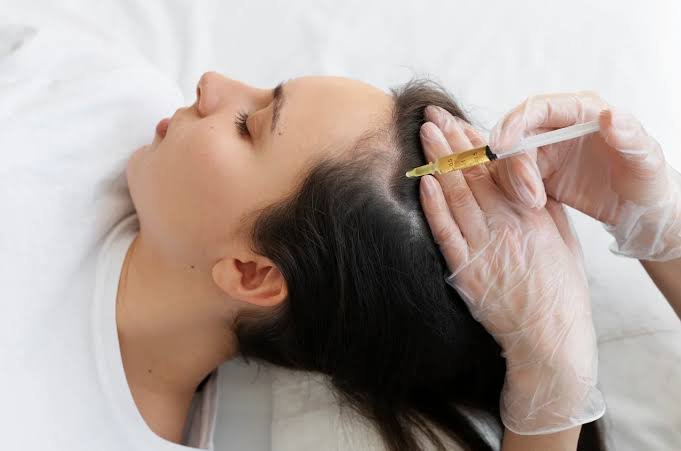
Stem Cell Therapy for Hair in Dubai is gaining attention among individuals interested in exploring regenerative options for hair concerns. These approaches focus on the biological environment surrounding hair follicles and the factors that influence their function. Rather than concentrating only on visible hair coverage, regenerative approaches aim to investigate the underlying processes associated with follicular health.
At Biolite clinic dubai, individuals can explore information about advanced hair restoration approaches and understand how regenerative medicine may fit into a personalized hair health plan.
Understanding Hair Follicle Health and Regenerative Medicine
Hair follicles are complex structures located within the skin. Each follicle contains specialized cells responsible for producing and maintaining hair growth. Their activity is influenced by several biological factors, including blood supply, cellular communication, hormonal signals, and the surrounding scalp environment.
Over time, certain follicles may become less active, resulting in thinner hair strands, reduced density, or changes in the natural hair growth cycle. These changes can occur due to hereditary factors, ageing, hormonal fluctuations, nutritional deficiencies, and other underlying influences.
Regenerative medicine explores ways to support tissue health and cellular activity. Stem cells are particularly relevant to this field because of their ability to differentiate into specialized cell types and participate in tissue repair processes under appropriate biological conditions.
In hair restoration research, scientists are investigating how cellular signalling and regenerative mechanisms may influence the follicular environment. However, the effectiveness of different stem cell-based approaches for hair loss is still being studied, and outcomes depend on the specific treatment and individual circumstances.
How Stem Cell Therapy for Hair Approaches Follicular Support
Stem cell-based hair restoration approaches are associated with the broader field of regenerative medicine. Research explores how cellular components and biological signalling may contribute to maintaining a supportive environment around hair follicles.
Cellular Communication and Follicle Activity
Cells communicate through various biological signals that influence tissue function. Researchers are examining how these signals may affect the activity of cells involved in hair follicle maintenance.
The follicular environment plays an important role in regulating the hair growth cycle. Understanding cellular communication may help researchers develop more targeted approaches to addressing changes associated with hair thinning.
Supporting the Scalp Environment
The scalp provides the environment in which hair follicles function. Its condition, circulation, and tissue health can influence follicular activity.
Regenerative approaches investigate how biological processes may contribute to tissue maintenance and repair. Supporting scalp health is therefore an important consideration when exploring comprehensive hair restoration strategies.
Exploring Hair Growth Cycle Regulation
Hair naturally progresses through different growth stages, including anagen, catagen, and telogen. Changes in the duration or balance of these phases may contribute to visible thinning and reduced hair density.
Research into regenerative medicine examines how cellular signalling may interact with the biological mechanisms involved in follicle cycling. These developments are helping expand scientific understanding of hair restoration.
Common Factors That Contribute to Hair Thinning
Hair loss does not have a single cause. Identifying contributing factors is important before considering any regenerative approach.
Genetic Hair Loss
Hereditary hair loss is among the most common causes of progressive thinning. It may affect both men and women and often develops gradually over time. Genetic sensitivity can influence follicular size and hair growth patterns.
Hormonal Changes
Hormonal fluctuations can affect hair growth and follicle function. Certain hormonal conditions may contribute to increased shedding, changes in density, or alterations in the hair growth cycle.
Age-Related Changes
Ageing can influence hair thickness, growth speed, and follicular activity. Some individuals experience gradual reductions in density as part of natural biological changes.
Nutritional Factors
Adequate nutrition supports normal hair growth. Deficiencies involving iron, protein, vitamin D, and other essential nutrients may contribute to hair shedding in some individuals.
Scalp Conditions
Inflammation and certain scalp disorders can interfere with normal follicular function. Addressing the underlying scalp condition is an important part of an appropriate hair management strategy.
Potential Areas of Interest in Regenerative Hair Restoration
Regenerative medicine continues to develop as researchers investigate new methods of supporting tissue health and cellular activity. In hair restoration, several areas have received scientific attention.
Biological Signalling
Cellular signalling molecules help regulate communication between different cell types. Research is exploring whether certain biological signals may influence the environment surrounding hair follicles.
Tissue Maintenance
Healthy tissue structure is important for normal follicular function. Regenerative research examines mechanisms involved in tissue maintenance and repair, potentially contributing to future hair restoration developments.
Follicular Microenvironment
Hair follicles depend on interactions between different cells and surrounding tissues. Understanding this microenvironment may help researchers investigate why follicles become less active and how their biological surroundings could be supported.
It is important to distinguish promising research findings from established clinical benefits. Not every regenerative approach has demonstrated reliable effectiveness for treating hair loss, and stem cell-based hair treatments should not be considered a guaranteed method of regrowing hair.
Who May Explore Stem Cell-Based Hair Restoration?
Individuals experiencing hair thinning or changes in hair density may be interested in learning about regenerative approaches. However, suitability depends on the underlying cause of hair loss, scalp condition, medical history, and the specific treatment being considered.
People experiencing gradual thinning may benefit from an assessment to determine whether their concerns are related to hereditary hair loss, nutritional factors, hormonal changes, or another condition.
Individuals with sudden, patchy, or rapidly progressing hair loss should receive an appropriate medical evaluation before pursuing cosmetic or regenerative procedures.
A personalized consultation helps establish realistic expectations and determine whether a particular approach is supported by available clinical evidence.
The Importance of a Personalized Hair Assessment
A detailed assessment is an important step in understanding hair loss. Since different conditions can produce similar visible symptoms, identifying the underlying cause helps guide appropriate care.
An assessment may involve reviewing medical history, examining the scalp, discussing the pattern of hair loss, and considering relevant laboratory investigations when indicated.
Factors such as hair density, follicular condition, scalp health, and the duration of hair thinning can help inform treatment discussions.
At Biolite clinic dubai, individuals exploring advanced hair health approaches can learn about available options and discuss their suitability with qualified professionals.
What to Consider Before Choosing a Regenerative Hair Approach
Before proceeding with any stem cell-based hair procedure, it is important to understand the scientific evidence, treatment method, potential risks, and expected outcomes.
Individuals should ask about the exact biological material being used, whether the procedure is approved or appropriately regulated, the clinical evidence supporting its use, and the qualifications of the treating professional.
It is also important to understand that different treatments marketed under the term stem cell therapy may involve different technologies and biological materials. They should not automatically be considered equivalent.
A responsible treatment discussion should include realistic expectations, possible side effects, alternative approaches, and the possibility that results may vary.
Maintaining Hair and Scalp Health Alongside Advanced Treatments
Hair restoration is not limited to procedures. Everyday habits and appropriate medical care can contribute to maintaining healthy hair and scalp conditions.
A balanced diet containing sufficient protein, vitamins, minerals, and essential nutrients supports normal hair function. Gentle hair care practices can also help reduce avoidable breakage.
Managing underlying health conditions, addressing nutritional deficiencies, and seeking medical advice for persistent shedding are equally important.
Regular scalp care and appropriate treatment of existing scalp disorders may also contribute to a healthier environment for hair growth.
Exploring Advanced Hair Care at Biolite Clinic Dubai
Advances in regenerative medicine are creating new opportunities for scientific research into hair follicle biology and tissue health. Stem cell-based approaches represent an evolving area of interest, particularly in understanding cellular communication and follicular support.
Biolite clinic dubai provides an opportunity for individuals to explore modern approaches to hair and scalp health while learning about the importance of individualized assessment.
Understanding the available options, their scientific foundations, and their limitations can help individuals make informed decisions about hair restoration.
Frequently Asked Questions
1. What is Stem Cell Therapy for Hair in Dubai?
It refers to regenerative approaches involving stem cells or related biological components that are being investigated for their potential role in supporting the hair follicle environment and scalp tissue health. The evidence and effectiveness vary depending on the specific procedure.
2. Can stem cell-based approaches help with hair thinning?
Research is exploring whether certain regenerative mechanisms may support follicular activity. However, reliable clinical benefits have not been established for all stem cell-based hair treatments, and results cannot be guaranteed.
3. Who may consider regenerative hair treatments?
Individuals experiencing hair thinning or reduced density may explore these options after an appropriate medical assessment. Suitability depends on the underlying cause of hair loss and the specific procedure.
4. Are stem cell hair treatments suitable for every type of hair loss?
No. Different types of hair loss have different causes and require different management approaches. A professional assessment is necessary to determine appropriate options.
5. Is stem cell-based hair restoration the same as conventional hair transplantation?
No. Hair transplantation involves transferring hair follicles from one area of the scalp to another, whereas stem cell-based approaches investigate biological mechanisms associated with tissue and follicular support.
6. How can someone prepare for a hair restoration consultation?
Individuals can prepare by documenting their hair loss history, current medications, previous treatments, and any relevant health concerns. This information can help support a more detailed assessment.
Conclusion
Hair thinning can involve several biological and environmental factors, making personalized assessment an important part of choosing an appropriate restoration approach. Regenerative medicine is expanding scientific understanding of cellular activity, follicular health, and tissue maintenance.
Stem Cell Therapy for Hair in Dubai represents an evolving area of interest for individuals exploring advanced approaches to hair health. Understanding the available evidence, treatment limitations, and individual suitability is essential before considering any procedure.
At Biolite clinic dubai, individuals can explore modern hair care approaches and learn more about personalized options for supporting scalp and follicular health.