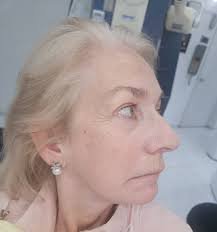
Have you ever noticed that your chin looks farther back than expected, making your nose appear more prominent or your lips seem out of proportion? A retruded lower jaw could be one reason behind this appearance. The position of the jaw plays an important role in how the chin, lips, and nose relate to one another. Understanding this connection can also help people explore options beyond chin augmentation in Beverly Hills, especially when the concern may be linked to bite alignment rather than chin size alone.
The key is to look at the lower face as a connected structure instead of focusing on one feature.
What Is a Retruded Jaw?
A retruded jaw refers to a lower jaw that sits farther back in relation to the upper jaw. This condition is often associated with a Class II bite, where the upper teeth sit noticeably ahead of the lower teeth.
Some people naturally develop this jaw relationship because of their facial bone structure. In others, dental alignment and bite development may contribute to the appearance.
A retruded lower jaw can make the chin look smaller or less defined from the side. It may also affect the way the lower lip rests and how the mouth relates to the nose. However, the exact appearance varies from person to person.
How Does Jaw Position Affect the Chin?
The chin is the frontmost part of the lower jaw, so its appearance is closely connected to the position and shape of the mandible.
When the lower jaw sits farther back, the chin may appear recessed even if the chin bone itself is not unusually small. This can make the lower face look less projected and affect the definition of the jawline.
For example, someone with a retruded jaw may notice that their chin seems to disappear slightly when viewed from the side. The distance between the chin and neck may also look less defined.
This does not mean every recessed chin is caused by jaw position. Natural chin size and shape also matter. That is why a proper assessment should consider both the bone structure and the bite.
Can a Retruded Jaw Change the Appearance of the Lips?
Yes, jaw position can influence how the lips sit in relation to the rest of the face. The upper and lower lips are supported by the underlying teeth and surrounding structures.
When the lower jaw is positioned farther back, the lower lip may also appear less prominent. Depending on the upper jaw and tooth alignment, the upper lip may look more noticeable by comparison.
An excessive overjet can further affect this relationship. It occurs when the upper front teeth extend too far ahead of the lower front teeth.
In some cases, improving the bite may help establish a more balanced relationship between the teeth and lips. However, dental treatment does not guarantee a change in lip shape or physically advance the jawbone.
Why Can the Nose Look More Prominent?
Here is something worth understanding: the nose does not have to be unusually large for it to look prominent. Sometimes, the proportions of the surrounding facial features influence how it appears. When the chin sits farther back, the nose may seem more noticeable from the side. This is because the chin provides an important visual reference point for the lower facial profile.
The relationship between the forehead, nose, lips, and chin helps create the overall side profile. If one feature appears less projected, the others may look more prominent by comparison. Therefore, evaluating a retruded jaw involves looking at the entire facial profile rather than judging the chin or nose separately.
Is Chin Augmentation Always the Right Option?
Not necessarily. Chin augmentation in Beverly Hills may be considered by people who want to improve the projection or shape of their chin. However, it is important to understand whether the concern comes from the chin itself or the position of the lower jaw. Chin augmentation focuses on the chin area. It does not automatically correct an overbite or change the relationship between the upper and lower teeth.
Can Bite-Focused Dental Treatment Help?
In selected cases, a dental approach that considers jaw position and bite alignment may help improve the relationship between the teeth and lower facial profile.
Some approaches use a custom appliance called TMJtrac to preview a proposed jaw position. It allows the dental professional to assess how the teeth meet in the planned position before permanent treatment is considered.
If the assessment supports further treatment, custom restorations such as Class I VENEERS may be used to establish the planned bite relationship. These restorations are designed around dental function rather than appearance alone.
This approach does not physically move the lower jawbone forward or enlarge the chin. Instead, it focuses on the relationship between the teeth and bite. It may be useful for suitable patients whose facial concerns are partly connected to dental positioning.
What Should Be Evaluated Before Choosing Treatment?
A complete assessment should consider several factors, including:
- Jaw position: Whether the lower jaw sits farther back than the upper jaw.
- Bite alignment: Whether an overbite or excessive overjet affects the dental relationship.
- Chin structure: Whether the chin is naturally small or appears recessed because of jaw position.
- Lip support: How the upper and lower lips relate to the teeth and facial profile.
- Overall proportions: How the nose, lips, chin, and jawline work together visually.
These details help determine whether the concern is primarily dental, skeletal, or related to natural facial structure.
Looking at the Face as a Whole
A retruded jaw can influence more than the appearance of the chin. It may also change how the lips and nose relate to the lower facial profile. However, the right treatment depends on the underlying cause.
For some people, bite-focused dental treatment may help improve facial balance without directly changing the chin bone. Others may need to explore different options based on their natural jaw and chin structure.
The important thing is to understand the connection between these features before choosing a treatment. A complete evaluation can help identify realistic options that consider both dental function and facial proportions.