Managing chronic pain during opioid addiction recovery requires a balanced approach that addresses physical discomfort without increasing the risk of dependence. Professional treatment, non-opioid pain management, physical therapy and psychological support can help. Exploring opioid detox NJ can provide access to medical guidance for individuals who need structured support during withdrawal and recovery.
Why Is Managing Chronic Pain Difficult During Opioid Addiction Recovery?
Managing chronic pain during recovery can be challenging because physical discomfort may continue even after someone stops using opioids. Withdrawal symptoms, existing injuries and changes in pain sensitivity can make the experience more complicated.
Some individuals initially used prescription opioids following surgery, an accident or a long-term medical condition. Over time, dependence may develop, making it difficult to manage pain without medication.
When opioid use stops, the body needs time to adjust. During this period, individuals may experience muscle aches, headaches, sleep disturbances and increased sensitivity to discomfort.
It is also possible to experience opioid-induced hyperalgesia, a condition in which prolonged opioid exposure contributes to increased pain sensitivity.
These experiences require careful assessment rather than assuming every pain symptom comes from withdrawal.
Understanding the original cause of chronic pain helps healthcare professionals create a treatment plan that supports both physical health and addiction recovery.
How Can Opioid Detox NJ Support People Experiencing Chronic Pain?
Opioid detox NJ can provide medically supervised support for individuals managing withdrawal while addressing existing health concerns, including chronic pain.
Detoxification is generally the initial stage of treatment rather than a complete recovery programme.
Why medical supervision matters
Stopping opioids suddenly without medical guidance can cause significant withdrawal symptoms and make recovery more difficult.
Medical professionals can assess your opioid use history, physical health, withdrawal symptoms and pain levels before recommending an appropriate approach.
Depending on individual circumstances, treatment may involve medication to manage withdrawal symptoms and support stabilisation.
Medications such as buprenorphine and methadone may be appropriate for some people with opioid use disorder. These treatments can reduce cravings and withdrawal symptoms while supporting longer-term recovery.
Developing a personalised treatment plan
A personalised plan should consider both addiction-related needs and the underlying cause of pain.
For example, someone recovering from opioid dependence following a back injury may need continued assessment, physical rehabilitation and non-opioid pain management.
Choosing opioid detox NJ should therefore involve discussing existing medical conditions and current pain symptoms openly with qualified healthcare professionals.
What Non-Opioid Treatments Can Help Manage Chronic Pain?
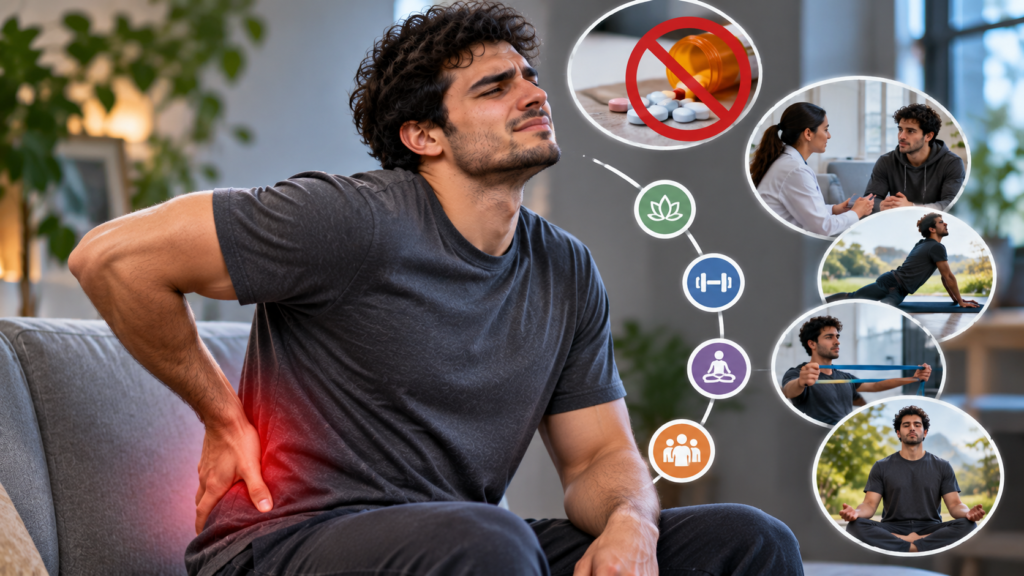
Several non-opioid approaches can help manage chronic pain while reducing reliance on opioid medication. The most suitable options depend on the type, location and severity of discomfort.
Physical therapy and gentle movement
Physical therapy can help improve mobility, strengthen supporting muscles and reduce certain types of musculoskeletal pain.
A qualified physical therapist may recommend stretching, strengthening exercises and gradual movement based on your physical abilities.
For example, someone experiencing persistent lower back pain might benefit from supervised exercises that improve flexibility and support better movement patterns.
The goal is not to push through severe pain but to increase activity safely and gradually.
Non-opioid medications
Depending on the underlying condition, healthcare professionals may consider medications such as acetaminophen, non-steroidal anti-inflammatory drugs or certain medicines used for nerve pain.
These medications are not suitable for everyone. Existing health conditions, other prescriptions and potential side effects must be considered.
Always discuss medication choices with a qualified healthcare professional rather than combining treatments independently.
Complementary pain management approaches
Some individuals benefit from additional approaches such as heat or cold therapy, relaxation exercises and mindfulness-based techniques.
These methods may help manage discomfort and improve daily functioning when used alongside appropriate medical care.
How Can People Manage Pain-Related Stress During Recovery?
Pain and emotional distress can influence each other. Persistent discomfort may increase anxiety, disrupt sleep and make recovery feel more difficult.
Developing practical coping strategies can help individuals respond to these challenges without returning to substance use.
Recognising emotional triggers
Some people experience stronger cravings when pain becomes difficult to manage.
For example, someone dealing with recurring headaches may feel frustrated after several uncomfortable days and begin thinking about previous opioid medication.
Recognising this pattern allows individuals to contact their treatment team before cravings become harder to manage.
Improving sleep and daily routines
Poor sleep can increase pain sensitivity and affect emotional regulation.
Consider maintaining consistent sleeping hours, reducing screen exposure before bedtime and creating a comfortable sleeping environment.
Gentle movement and relaxation activities may also support better sleep, depending on individual health needs.
Seeking psychological support
Cognitive behavioural therapy (CBT) can help people understand the relationship between thoughts, emotions, pain and behaviour.
Pain-focused CBT may help individuals develop healthier responses to discomfort, reduce fear surrounding movement and manage stress.
Professional counselling can also address the emotional challenges associated with addiction recovery.
When Is Additional Addiction Treatment Necessary?
Additional treatment may be necessary when cravings, withdrawal symptoms or ongoing substance use interfere with recovery and daily functioning.
Detox alone does not address every factor associated with opioid addiction. Continuing treatment can provide medication management, counselling and relapse prevention support.
For individuals with dependence involving more than one substance, treatment planning may require additional specialist services.
For example, someone experiencing opioid dependence involving fentanyl may need a specific clinical assessment. Fentanyl addiction treatment NJ can address the particular risks associated with this highly potent synthetic opioid.
Similarly, individuals experiencing problematic cannabis use may benefit from a marijuana addiction treatment program in NJ when cannabis-related difficulties affect their health or recovery.
Mental health assessment also matters. Some individuals experience co-occurring psychiatric conditions that influence pain management, substance use and emotional well-being.
Where symptoms indicate a condition such as schizoaffective disorder, specialist support through a schizoaffective disorder clinic may help address those additional needs.
Treatment should remain coordinated so that pain management, addiction care and mental health support work towards compatible goals.
What Practical Steps Can Help Maintain Recovery While Managing Pain?
Maintaining recovery while living with chronic pain requires consistency, communication and a treatment plan that can adapt to changing needs.
A few practical steps can make daily management more manageable:
-
Track your pain: Record when discomfort occurs, its intensity and activities that appear to influence it.
-
Attend medical appointments: Discuss changes in symptoms, medication effects and withdrawal-related concerns.
-
Follow your treatment plan: Avoid changing prescribed medication without professional guidance.
-
Build supportive routines: Include appropriate movement, nutritious meals and regular sleep.
-
Stay connected: Contact supportive people or your treatment team when pain or cravings become difficult.
Avoid viewing a difficult pain day as a personal failure. Recovery involves learning how to manage changing physical and emotional needs over time.
Conclusion: Balancing Pain Management and Long-Term Recovery
Recovering from opioid addiction while living with chronic pain requires care that addresses both conditions rather than treating them separately.
Exploring opioid detox NJ can help individuals access professional assessment, supervised withdrawal support and guidance on appropriate pain management options.
With a personalised treatment plan, non-opioid therapies and ongoing clinical support, people can work towards managing discomfort while protecting their recovery.
Frequently Asked Questions
1. Can chronic pain be managed during opioid detox in New Jersey?
Yes. Healthcare professionals can assess the underlying cause of pain and recommend suitable approaches during detox. Treatment may include non-opioid medications, supportive therapies and appropriate withdrawal management.
2. What are the alternatives to opioids for chronic pain management?
Options may include physical therapy, selected non-opioid medications, psychological therapies and relaxation techniques. The right combination depends on your medical history and the cause of your pain.
3. Can opioid addiction treatment help prevent relapse caused by chronic pain?
Yes. A coordinated treatment plan can address cravings, pain-related stress and emotional triggers. Medication treatment, counselling and ongoing medical support may help reduce relapse risks.