What Should Tenants Check Before Signing a Tenancy Agreement?
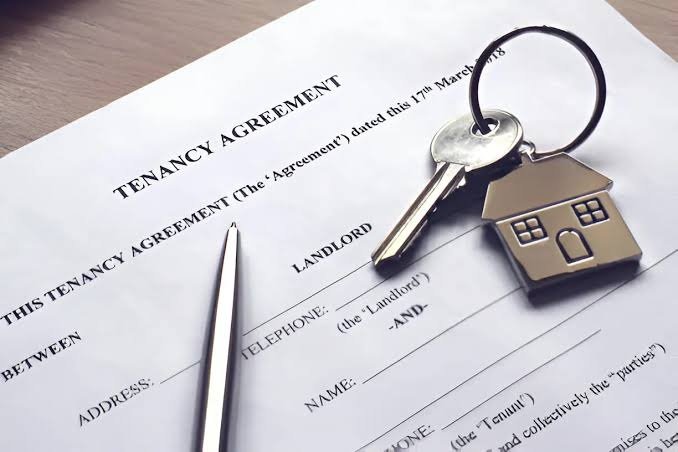
Before signing a tenancy agreement, check the rent, the rental deposit, the property condition, the landlord’s details, the safety certificates, and every rule written in the contract. Ask about repairs, notice periods, pets and extra costs. Look for red flags such as cash-only payments, missing paperwork or pressure to sign quickly. Read the whole agreement before you put pen to paper. Take photos of the home and keep every message in writing. These simple checks protect your money, your safety and your rights.
This guide gives you a full tenant checklist, explains what to say and what to avoid, and shows how tenant checks work before you move in.
Key Facts
- In England, a rental deposit cannot be more than five weeks’ rent if the yearly cost is under £50,000.
- The deposit must be protected in a government-approved scheme within 30 days of the owner receiving it.
- The owner must give you their full name and address within 21 days of your written request.
- You must be given a valid gas safety record, an Energy Performance Certificate and, in most cases, an electrical safety report.
- Smoke alarms must be on every floor, and carbon monoxide alarms must be near fixed gas appliances.
- Most letting fees are banned in England; only a few specific charges are allowed.
- A basic tenant check usually takes 24 to 72 hours, though it can take up to a week.
- In England, you usually give two months’ written notice to leave a periodic tenancy.
Check the Rent, Bills and Extra Costs
Start with the amount you will pay each month. Make sure the rent matches what was advertised. Ask exactly what is included and what is not. Some homes include water, gas or electricity. Others make you pay these bills yourself. Ask about the council tax band too. Ask when payment is due and how you should pay it.
In England, most letting fees are banned. You can only be asked to pay for things like a holding deposit, a changed contract, or lost keys. Ask:
- “What is the full monthly cost, including bills?”
- “Are there any other fees I must pay?”
- “When is payment due each month?”
- “Can the amount go up, and how would I be told?”
Check Your Rental Deposit
Your rental deposit is money you give the owner before you move in. It protects them if you damage the home or do not pay. In England, it cannot be more than five weeks’ rent if the yearly cost is under £50,000.
The money must go into a government-approved protection scheme. This must happen within 30 days of the owner receiving it. You must be told which scheme holds it and how to get it back.
Get a receipt for every payment you make. Never pay in cash without proof. Keep bank statements, emails and messages in one safe place. Ask:
- “How much is the deposit?”
- “Which protection scheme will you use?”
- “When will I get the protection details?”
- “What could cause money to be taken from my deposit?”
Check the Property and the Inventory
Look at the home carefully before you sign anything. Visit in daylight if you can. Turn on taps, lights, heaters and sockets.
Take photos of every room. Note any damage, damp, mould or broken items. Send these photos to the agent or owner by email. This creates a dated record you can use later.
Ask about the inventory. This is a list of everything in the home and its condition. Both sides should check and sign it on move-in day.
- Check the walls, ceilings and floors for damp or cracks
- Check windows, doors and locks work properly
- Take photos and keep them with your move-in paperwork
- Check the boiler, heating and hot water
- Examine white goods such as the fridge and washing machine
Check the Landlord and Safety Certificates
Always check who you are dealing with. Ask for the full name and address of the landlord or managing agent. In England, they must give you this within 21 days of your request.
Ask to see the safety certificates. You need a valid gas safety record if the home has gas. You also need an Energy Performance Certificate and an electrical safety report. Smoke alarms must be on every floor, and carbon monoxide alarms must be near fixed gas appliances.
If someone refuses to show these papers, be careful. A good owner will have them ready. You can also check the person or company online before you pay anything.
| What to ask for | Why it matters |
| Gas safety record | Shows the boiler and gas appliances were checked |
| Energy Performance Certificate | Shows how energy-efficient the home is |
| Electrical safety report | Shows the wiring was checked by a professional |
| Name and address | You must know who is legally responsible |
| Proof of deposit protection | Keeps your money safe |
Check the Tenancy Terms and Your Rights
Read every page of the tenancy agreement before you sign. Do not rush. Ask for a copy in advance so you can read it at home.
Most new tenancies in England are periodic. This means they roll month by month. You can usually leave by giving two months’ written notice. The owner must follow strict legal rules to end the tenancy.
Check the rules about pets, children, guests, smoking and subletting. Some old contracts still contain banned rules. For example, a blanket ban on children or benefits is not allowed.
Check how repairs are reported. Ask who to contact when something breaks. Ask how quickly urgent problems, such as no hot water, will be fixed. Must ask:
- “Can I see a copy of the agreement before signing?”
- “How much notice do I need to give to leave?”
- “How do I report a repair?”
- “Are pets or children allowed?”
- “What happens if I need to leave early?”
What Not to Say to Your Landlord
Be honest, but be careful with your words. Never make promises you cannot keep. Never admit fault for something you have not caused.
Do not say “I’ll pay for any damage myself.” This removes your protection. Never say “I don’t mind if you keep my deposit.” Keep every right you have.
Do not discuss personal problems, money troubles or family issues in writing. Keep messages short, polite and about the home only. Save every message in case you need it later. Do not:
- Promise to pay for repairs yourself
- Agree to give up your deposit
- Share private financial details
- Accept verbal promises — get things in writing
- Argue or use angry language in messages
What Are Red Flags for Tenants?
Some warning signs mean you should think twice. Trust your instincts. If something feels wrong, ask more questions or walk away.
Never sign a contract you have not read. Do not pay a deposit before seeing the home in person. Never accept a deal with no written contract.
Be careful if the owner asks for cash only. Be careful if they refuse to give a receipt. Be careful if they cannot show gas or electrical papers.
- No written contract
- Pressure to sign on the same day
- Cash payments with no receipt
- Missing gas or electrical papers
- Fees that are not allowed by law
- A deposit above the legal limit
- Refusal to give a name and address
How Long Does a Tenant Check Take?
A basic tenant check usually takes 24 to 72 hours. Some are done in a few hours. Others can take up to a week if references are slow.
The check looks at your credit history, income and past renting record. It may also check your job and your right to rent in the UK. Having your documents ready speeds it up.
Ask the agent for a clear timeline before you apply. Ask what documents they need from you. This avoids delays and keeps your move-in date on track.
What Can Landlords See on a Tenant Check?
A landlord can usually see your credit score, address history and any county court judgments. They can see if you have paid bills on time. They can also see if you have any bad debt recorded.
But they cannot see your full bank statements unless you choose to share them. They cannot see your medical records, criminal record or private messages. They can only see what you give them permission to check.
Be honest on your application. A small gap in your history is easier to explain than a lie. Keep payslips, references and ID ready to speed things up.
Key Takeaways
- Read the whole contract before you sign.
- Check the monthly cost, bills and any extra fees.
- Make sure your deposit is protected within 30 days.
- Take photos and check the inventory on move-in day.
- Ask for gas, electrical and energy papers.
- Know your notice period and repair rights.
- Walk away from cash-only deals or missing paperwork.
- Keep messages polite, short and in writing.
Conclusion
Signing a tenancy agreement is a big step, but it does not need to feel risky. Check the money, the paperwork and the property before you commit. Ask clear questions and get every promise in writing. Walk away from anything that feels rushed, unclear or unfair. A good home and a fair contract are worth waiting for. Use this checklist every time you view a property, and you will move in with confidence.
FAQs
1. Can I get a copy of the tenancy agreement before signing?
Yes. Always ask for a copy before you sign. Read it at home and take your time. Ask questions about anything you do not understand.
2. How much can my rental deposit be?
In England, it cannot be more than five weeks’ rent if the yearly cost is under £50,000. If it is £50,000 or more, the limit is six weeks. Anything above this is not allowed.
3. What must a landlord give me before I move in?
They must give you the gas safety record, the Energy Performance Certificate and the deposit protection details. They must also give you their name and address. Some homes also need an electrical safety report.
4. What is an inventory and why does it matter?
An inventory is a list of everything in the home and its condition. Both you and the owner should check and sign it. It helps protect your deposit when you move out.
5. Can my rent go up during my tenancy?
In England, it can only go up once every 12 months. The owner must use the correct legal process and give you proper notice. You can challenge an increase if it is unfair.
6. What safety certificates should I ask to see?
Ask for the gas safety record, the Energy Performance Certificate and the electrical safety report. These show the home has been checked. Keep copies for your own records.
7. Can I be charged letting fees?
Most letting fees are banned in England. You can only be charged for things like a holding deposit, a changed contract or lost keys. Ask for a full list of any charges in writing.
8. What should I do if I spot damage before moving in?
Take clear photos and send them by email. Ask for the damage to be noted on the inventory. Never rely on a verbal promise alone.
9. How much notice must I give to leave?
In England, you usually give two months’ written notice. Check your contract because the exact rule can differ. Always give notice in writing and keep a copy.
10. What should I do if something feels wrong before I sign?
Ask more questions and take your time. Never feel pressured to sign on the spot. If the answers are unclear, walk away and find another home.
Ready to find a home you can trust?
Talk to Home World Management for clear advice, honest paperwork and a smooth move-in. Our team will walk you through every check before you sign, from the deposit and safety papers to the inventory and your notice rights. We believe renting should feel simple, fair and stress-free. Whether you are a first-time renter or moving home again, we will answer your questions in plain English and help you find a place that truly fits. Call us today on +44 208 740 3788 for a friendly, no-pressure chat about your next home.