Businesses across Australia rely on personal protective equipment to maintain workplace safety, protect employees, and manage exposure to potential hazards. From hospitals and construction sites to manufacturing facilities and food processing plants, PPE is an essential part of everyday operations. Choosing the right PPE wholesale Australia supplier helps businesses access suitable protective products while managing purchasing costs and maintaining consistent stock levels.
Buying PPE in wholesale quantities can be particularly useful for organizations with large workforces or regular equipment requirements. Instead of placing frequent small orders, businesses can purchase essential products in bulk and simplify their procurement processes.
However, wholesale purchasing involves more than finding competitive prices. Product quality, applicable Australian standards, supplier reliability, storage requirements, and delivery arrangements all influence the overall value of a purchase.
Whether you operate a healthcare facility, industrial business, warehouse, or food manufacturing company, understanding the wholesale PPE market can help you make better purchasing decisions.
This guide explains the different types of PPE available, the benefits of wholesale purchasing, Australian safety considerations, and how to choose a dependable supplier.
What Is PPE Wholesale?
PPE wholesale refers to purchasing personal protective equipment in larger quantities, usually directly from manufacturers, importers, distributors, or specialized suppliers.
Wholesale suppliers provide protective products to businesses, healthcare organizations, contractors, retailers, and other commercial customers.
Instead of purchasing individual items at retail prices, organizations can order cartons, cases, or larger quantities according to their operational needs.
A PPE wholesale Australia supplier may offer a wide range of products, including:
- Disposable nitrile gloves.
- Latex and vinyl gloves.
- Medical face masks.
- Respirators.
- Disposable gowns.
- Isolation gowns.
- Surgical gowns.
- Protective coveralls.
- Safety glasses.
- Face shields.
- Disposable sleeve covers.
- Protective aprons.
- Safety helmets.
- High-visibility clothing.
- Safety footwear.
- Hearing protection.
Some wholesalers specialize in medical and healthcare PPE, while others focus on industrial safety equipment or workplace hygiene products.
The right supplier depends on the type of protection your business requires and the quantity of equipment needed.
Why Is PPE Important for Australian Businesses?
Personal protective equipment helps reduce exposure to workplace hazards. Although PPE does not eliminate every risk, suitable equipment provides an additional layer of protection when used correctly.
Australian businesses must identify workplace hazards and implement appropriate risk control measures.
1. Protects Employees from Workplace Hazards
Workers may encounter different hazards depending on their industry.
Construction employees may face falling objects and airborne dust, while healthcare professionals may encounter biological materials.
Suitable PPE helps reduce exposure to these hazards.
Examples include protective gloves, safety helmets, respirators, eye protection, and protective clothing.
2. Supports Workplace Health and Safety
Australian workplace health and safety laws require businesses to manage risks and provide appropriate protective equipment where necessary.
Employers should assess workplace activities and determine which equipment is suitable.
Purchasing quality PPE in wholesale quantities can help organizations maintain consistent supplies for employees.
3. Helps Maintain Hygiene Standards
Healthcare facilities, food processing companies, and laboratories require suitable hygiene procedures.
Disposable gloves, gowns, masks, and sleeve covers help support these procedures by providing additional protective barriers.
4. Reduces Operational Interruptions
Running out of essential protective equipment can disrupt daily operations.
Wholesale purchasing allows businesses to maintain suitable inventory levels and reduce the need for frequent emergency orders.
5. Supports Employee Confidence
Employees are more confident when they have access to appropriate protective equipment and understand how to use it.
Providing suitable PPE demonstrates that workplace safety is an important organizational priority.
Different Types of PPE Available for Wholesale in Australia
<AsyncImageGroup query={[“personal protective equipment wholesale collection disposable gloves medical masks gowns”,”industrial PPE safety helmet high visibility vest safety glasses gloves”,”medical protective equipment disposable gowns face shields respirators”,”protective coveralls safety footwear industrial PPE supplies”]} aspectRatio=”5:4″ layout=”bento”/>
Businesses searching for PPE wholesale Australia can find numerous protective products designed for different workplace environments.
Understanding the main categories makes wholesale purchasing easier.
1. Disposable Gloves
Disposable gloves are among the most commonly purchased PPE products.
They are used in healthcare, food processing, cleaning, laboratories, and manufacturing.
Popular options include:
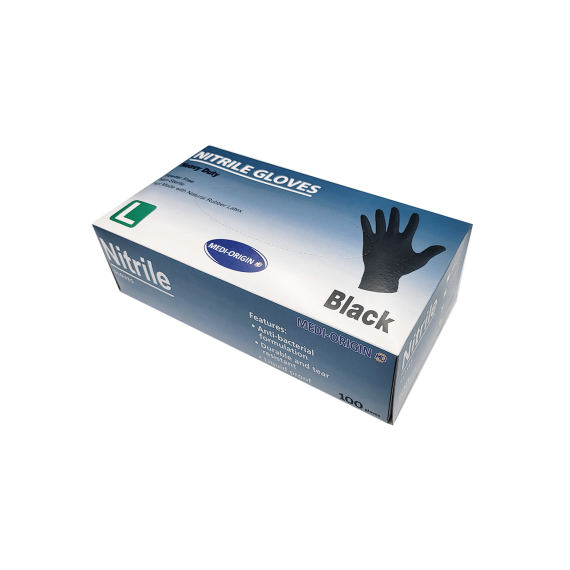
Nitrile Gloves: Nitrile gloves are commonly selected for their flexibility and resistance to many oils and chemicals. They are also a suitable alternative for many people who need to avoid natural rubber latex.
Latex Gloves: Latex gloves provide good elasticity and tactile sensitivity. However, natural rubber latex may cause allergic reactions in some individuals.
Vinyl Gloves: Vinyl gloves are commonly used for selected lower-risk tasks where frequent glove changes are required.
Polyethylene Gloves: These lightweight gloves are often used for basic food handling and general hygiene applications.
Businesses should select gloves according to their intended use, chemical compatibility, fit, and applicable standards.
2. Medical Face Masks and Respirators
Medical masks and respirators serve different purposes.
Medical masks are commonly used in healthcare and other environments where droplet protection and source control are important.
Respirators are designed to provide respiratory protection against specified airborne hazards when properly selected, fitted, and used.
Wholesale buyers should check product classifications, testing information, fit requirements, and manufacturer instructions.
3. Disposable Gowns and Isolation Gowns
Disposable gowns are used in healthcare facilities, laboratories, food processing, and selected industrial environments.
They provide coverage over clothing and help reduce contact with certain contaminants.
Available products include:
- Disposable isolation gowns.
- Surgical gowns.
- Patient gowns.
- Nonwoven protective gowns.
- Waterproof or liquid-resistant gowns.
- General-purpose protective garments.
The required gown depends on the anticipated exposure and intended application.
4. Protective Coveralls
Protective coveralls provide more extensive body coverage than standard gowns.
They are used in industrial cleaning, manufacturing, maintenance, and selected hazardous work environments.
Different coveralls offer different protective properties. Some are designed for dust and particles, while specialized garments may provide protection against certain liquid or chemical exposures.
Always review product specifications before purchasing.
5. Safety Glasses and Face Shields
Eye and face protection is important in workplaces where employees may encounter flying particles, dust, splashes, and other hazards.
Safety glasses, goggles, and face shields offer different levels and types of coverage.
Construction workers, laboratory technicians, manufacturing employees, and healthcare professionals may require suitable eye protection depending on their activities.
6. Disposable Sleeve Covers and Aprons
Disposable sleeve covers protect the forearms, while protective aprons provide additional coverage over clothing.
These products are commonly used in food processing, cleaning, healthcare, and laboratory environments.
They are available in different materials, thicknesses, and designs.
7. Industrial Safety Equipment
Industrial PPE includes equipment designed to protect employees working in construction, manufacturing, mining, and warehousing.
Common products include:
- Safety helmets.
- High-visibility vests.
- Protective footwear.
- Hearing protection.
- Safety harnesses.
- Cut-resistant gloves.
- Respiratory protection.
The correct products should be selected according to workplace risk assessments.
Benefits of Buying PPE Wholesale in Australia
Purchasing protective equipment in bulk can provide several advantages for businesses with regular PPE requirements.
1. Lower Cost Per Unit
Wholesale purchasing may reduce the average cost of individual products.
Suppliers often offer volume-based pricing, allowing businesses to obtain better rates when ordering larger quantities.
However, actual savings depend on the supplier, product category, order size, and delivery costs.
2. Consistent Product Availability
Businesses that use PPE every day need dependable stock levels.
Wholesale orders help organizations maintain larger inventories and reduce the frequency of individual purchases.
This can be particularly useful for hospitals, manufacturing plants, and construction companies.
3. Simplified Procurement
Ordering multiple PPE products through a single supplier can simplify purchasing activities.
Procurement teams can manage orders, invoices, delivery arrangements, and product specifications more efficiently.
4. Better Inventory Planning
Bulk purchasing allows businesses to estimate future requirements and organize stock replenishment.
Organizations can establish minimum stock levels and schedule regular orders according to employee usage.
5. Convenient Bulk Packaging
Many wholesale PPE products are supplied in cartons, cases, and multipacks.
This packaging makes products easier to store, distribute, and manage across different departments.
6. Long-Term Supplier Relationships
Establishing a relationship with a reliable wholesaler can make regular purchasing more predictable.
Businesses may benefit from consistent product specifications, agreed pricing arrangements, and more convenient order management.
Which Industries Buy PPE Wholesale?
Different Australian industries purchase protective equipment in bulk because their employees face different workplace hazards.
Healthcare and Medical Facilities
Hospitals, medical centres, aged care facilities, and clinics regularly require protective products.
Their wholesale purchasing requirements may include gloves, surgical masks, respirators, isolation gowns, protective eyewear, and face shields.
Product selection should follow applicable medical and infection prevention requirements.
Construction and Building
Construction businesses purchase safety equipment for employees working on building sites, infrastructure projects, and maintenance activities.
Common products include helmets, safety boots, high-visibility clothing, gloves, protective eyewear, and hearing protection.
Food Processing and Hospitality
Food manufacturers, restaurants, catering companies, and commercial kitchens require protective products to support hygiene procedures.
Their regular purchasing requirements may include disposable gloves, aprons, sleeve covers, hairnets, and suitable protective clothing.
Products intended for food contact should meet applicable Australian requirements.
Manufacturing and Warehousing
Manufacturing facilities and warehouses may purchase protective equipment for handling machinery, materials, packaging, and finished products.
Their requirements often include safety footwear, gloves, helmets, safety glasses, hearing protection, and high-visibility clothing.
Mining and Industrial Operations
Mining and industrial environments may involve dust, noise, chemicals, heavy equipment, and demanding working conditions.
Businesses may require specialized respiratory protection, protective clothing, helmets, safety footwear, and hearing protection.
The specific products depend on the hazards identified through workplace assessments.
Cleaning and Maintenance
Cleaning companies and maintenance teams regularly use gloves, protective aprons, safety glasses, masks, and suitable footwear.
Some activities may also require chemical-resistant protective clothing.
Australian PPE Standards and Compliance Considerations
When purchasing PPE wholesale Australia, businesses should pay close attention to applicable standards and regulatory requirements.
Not every PPE product follows the same standard. Requirements vary according to the product type and its intended purpose.
Work Health and Safety Requirements
Australian workplaces must manage health and safety risks under applicable Commonwealth, state, and territory legislation.
Employers should identify hazards, assess risks, and implement appropriate controls.
PPE is generally used when hazards cannot be eliminated or adequately controlled through higher-level measures.
Important Australian Standards
Some examples of standards relevant to PPE include:
- AS/NZS 1716 for respiratory protective devices.
- AS/NZS 1715 for the selection, use, and maintenance of respiratory protective equipment.
- AS/NZS 1337 series for eye and face protection.
- AS/NZS 1801 for occupational protective helmets.
- AS/NZS 2210 series for occupational protective footwear.
- AS/NZS 2161 series for occupational protective gloves.
The current edition and relevant requirements should be checked for each product.
Medical PPE and TGA Requirements
Certain medical PPE products may fall under the Therapeutic Goods Administration’s medical device regulatory framework.
Businesses should check applicable requirements for medical products and verify relevant regulatory status.
Suppliers should provide appropriate product documentation, manufacturer details, and information about intended use.
Check Product Documentation
Before placing a wholesale order, ask for:
- Technical specifications.
- Applicable standards.
- Test reports where relevant.
- Manufacturer information.
- Instructions for use.
- Product limitations.
- Storage requirements.
Avoid relying only on general descriptions such as premium quality or medical grade.
How to Choose the Best PPE Wholesale Supplier in Australia
Choosing a dependable supplier is one of the most important parts of wholesale purchasing.
Consider these factors before establishing a long-term business relationship.
1. Review the Product Range
Check whether the supplier offers the products your business needs.
A healthcare organization may require medical gloves, masks, and disposable gowns, while a construction business may need helmets, safety boots, and protective eyewear.
A suitable product range can simplify purchasing.
2. Evaluate Product Quality
Review material quality, manufacturing consistency, product construction, and available testing documentation.
Where possible, request samples before placing large orders.
3. Verify Compliance Information
Ask suppliers about relevant Australian Standards, certifications, test reports, and regulatory requirements.
Make sure the products are suitable for their intended applications.
4. Compare Wholesale Prices
Request quotations from different suppliers and compare prices.
Consider the total purchasing cost rather than focusing only on the unit price.
Include delivery charges, packaging quantities, minimum order requirements, and product specifications.
5. Check Bulk Stock Availability
A supplier should be able to explain its inventory arrangements and expected delivery schedules.
Ask whether products are held locally or supplied through international distribution networks.
6. Assess Delivery Coverage
Check whether the supplier can deliver to your business location.
Organizations operating across multiple Australian cities may need a supplier with suitable national distribution arrangements.
7. Consider Customer Support
Good communication is valuable when ordering PPE in bulk.
Choose suppliers that can answer questions about product specifications, stock availability, pricing, and delivery.
Tips for Managing Wholesale PPE Inventory
Buying PPE in bulk is useful only when inventory is managed properly.
Poor stock management can lead to shortages, unnecessary purchasing, and expired products.
Businesses can improve their inventory management by following a structured process.
Estimate Regular Usage: Calculate how much PPE employees use during normal operations.
Set Minimum Stock Levels: Establish a minimum quantity for essential protective products.
Monitor Expiry Dates: Check expiry dates on products where applicable, especially medical supplies and certain respiratory protective products.
Use Proper Storage: Keep products in clean, dry conditions according to manufacturer instructions.
Inspect Products: Check packaging and product condition before distribution.
Review Supplier Performance: Monitor delivery times, stock availability, and product consistency.
Plan Reorders: Establish a regular purchasing schedule based on actual consumption.
These steps help organizations maintain appropriate stock without unnecessary overordering.
Disposable PPE vs. Reusable PPE
Both disposable and reusable equipment are important in workplace safety.
The right choice depends on the application, exposure risks, hygiene requirements, and maintenance arrangements.
| Feature | Disposable PPE | Reusable PPE |
| Usage | Generally single use | Multiple uses |
| Cleaning | Usually not required | Requires maintenance |
| Convenience | Easy replacement | Requires inspection |
| Initial cost | Often lower | May be higher |
| Long-term cost | Recurring purchases | Cleaning and replacement |
| Waste | More disposable waste | Less waste when maintained |
| Examples | Gloves, masks, disposable gowns | Safety helmets, reusable goggles, selected respirators |
Disposable PPE is convenient for activities requiring frequent replacement.
Reusable PPE can offer long-term value when it is designed for repeated use and maintained correctly.
Businesses should always follow manufacturer instructions and workplace safety procedures.
Common Mistakes to Avoid When Buying PPE Wholesale
Wholesale purchasing can become expensive when businesses make poor product selection decisions.
Avoid these common mistakes:
Choosing the Cheapest Products: Low prices do not guarantee suitable protection. Compare product specifications and quality.
Ignoring Workplace Risks: Different activities require different protective equipment. Complete a risk assessment before purchasing.
Overlooking Standards: Check applicable standards and regulatory requirements.
Buying Incorrect Sizes: Poorly fitting equipment can affect comfort and protective performance.
Ordering Excessive Quantities: Avoid purchasing more stock than your business can reasonably store or use.
Ignoring Expiry Dates: Some PPE products have limited shelf lives or storage conditions that affect their suitability.
Failing to Train Employees: Workers should know how to select, wear, remove, inspect, and maintain their equipment.
Frequently Asked Questions About PPE Wholesale Australia
What is PPE wholesale?
PPE wholesale involves purchasing personal protective equipment in bulk quantities from manufacturers, importers, distributors, or specialized suppliers. It is commonly used by businesses that require protective equipment regularly.
Where can I buy PPE wholesale in Australia?
Businesses can purchase PPE from Australian manufacturers, medical supply wholesalers, industrial safety distributors, and specialized PPE suppliers. Compare product quality, pricing, documentation, and delivery services before choosing a supplier.
What products are available through PPE wholesalers?
Common wholesale PPE products include nitrile gloves, latex gloves, medical masks, respirators, disposable gowns, isolation gowns, protective coveralls, safety glasses, face shields, helmets, and safety footwear.
Is buying PPE wholesale cheaper?
Wholesale purchasing may reduce the average cost per item because suppliers often offer volume-based pricing. However, savings depend on order quantities, product specifications, and delivery costs.
Which industries purchase PPE in bulk?
Healthcare, construction, mining, manufacturing, food processing, hospitality, warehousing, agriculture, and cleaning businesses commonly purchase PPE in bulk.
What Australian Standards apply to PPE?
Different products have different applicable standards. Examples include AS/NZS 1716 for respiratory protective devices, AS/NZS 1337 for eye and face protection, and AS/NZS 2210 for occupational protective footwear.
Can small businesses buy PPE wholesale?
Yes. Many suppliers offer different order quantities to accommodate small businesses, contractors, and larger organizations. Minimum order requirements vary by supplier and product.
What should I check before choosing a PPE wholesaler?
Review the supplier’s product range, quality, pricing, compliance documentation, stock availability, delivery arrangements, and customer support.
Are medical masks and respirators the same?
No. Medical masks and respirators have different intended purposes and performance requirements. Respirators are designed to protect against specified airborne hazards when properly fitted and used.
What is the difference between disposable and reusable PPE?
Disposable PPE is generally designed for single use, while reusable PPE is manufactured for repeated use with appropriate cleaning and maintenance. The correct choice depends on the application and manufacturer instructions.
Can PPE wholesalers supply products to multiple Australian locations?
Some wholesalers offer distribution across multiple Australian locations. Businesses should confirm delivery coverage, shipping costs, and expected delivery times before placing orders.
How should wholesale PPE products be stored?
PPE should be stored according to manufacturer instructions. Most products should be kept in clean, dry conditions and protected from contamination, excessive heat, moisture, and direct sunlight where applicable.
Do PPE wholesalers provide bulk discounts?
Many suppliers offer volume-based pricing or discounts for larger orders. The availability and amount of savings depend on the supplier, product category, and order quantity.
How often should businesses reorder PPE?
Reordering frequency depends on employee numbers, product consumption, stock levels, and delivery schedules. Businesses should monitor inventory and establish minimum reorder points.
Why is product quality important when buying PPE wholesale?
Product quality affects whether equipment performs as intended. Poorly manufactured or unsuitable products may not provide the expected protection. Businesses should review specifications, testing documentation, and relevant compliance information.
Conclusion
Finding a dependable PPE wholesale Australia supplier is important for businesses that need consistent access to quality personal protective equipment. Wholesale purchasing can help organizations manage costs, maintain stock levels, and simplify procurement.
From disposable gloves and medical masks to protective gowns, respirators, safety helmets, and industrial footwear, different workplaces require different protective solutions.
The right purchasing decision should consider product quality, applicable Australian standards, intended applications, supplier reliability, and delivery arrangements.
Businesses should also establish proper inventory management procedures and provide employees with suitable PPE training.
By choosing appropriate products and working with a reliable wholesale supplier, Australian organizations can support workplace safety while maintaining efficient purchasing operations.