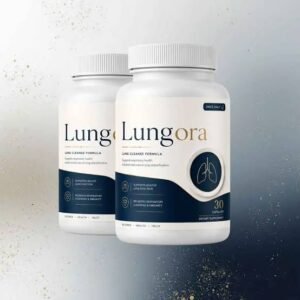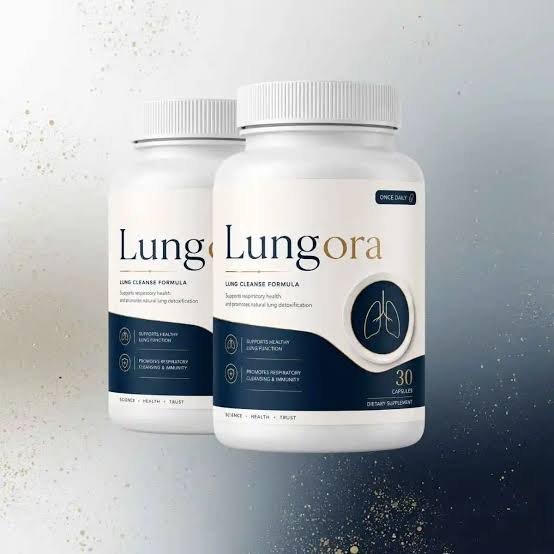
Lungora Supplement 2026: An informational look at its ingredients, nutritional support formula, and important safety considerations.
Maintaining good respiratory health is an important part of overall wellness. Healthy lungs help the body exchange oxygen and carbon dioxide, supporting normal physical activity, energy production, and everyday bodily functions. As interest in preventive wellness continues to grow in 2026, many people are exploring nutritional supplements and lifestyle habits that may complement a balanced approach to health.
One product attracting attention in the respiratory wellness supplement category is Lungora Supplement. It is marketed as a daily nutritional formula featuring a combination of minerals, botanical extracts, and compounds associated with antioxidant protection, circulation, and cellular energy.
But what exactly is Lungora? Which ingredients does it contain? What are the potential roles of those ingredients, and what should consumers understand before evaluating this type of supplement?
What Is Lungora Supplement?
Lungora is marketed as a once-daily dietary supplement designed for adults interested in respiratory wellness and general nutritional support.
Its advertised formula combines six ingredients:
- Magnesium Glycinate
- Alpha Lipoic Acid
- Butcher’s Broom Root Extract
- L-Carnitine
- Turmeric Extract
- Coenzyme Q10 (CoQ10)
These ingredients are associated with different areas of general wellness, including normal nerve and muscle function, cellular energy metabolism, circulation, and antioxidant activity.
Rather than being a conventional vitamin or single-ingredient mineral supplement, Lungora uses a combination formula.
The product’s marketing emphasizes respiratory wellness, but it is important to distinguish between general ingredient functions and proven effects of the finished product. Research involving an individual ingredient does not automatically demonstrate that a particular combination improves lung function.
Lungora is a dietary supplement, not a medication. It should not be considered a treatment for asthma, chronic obstructive pulmonary disease (COPD), infections, or other respiratory conditions.
Why Is Respiratory Wellness Important?
The respiratory system performs an essential function by helping the body obtain oxygen from the air and remove carbon dioxide.
It includes several structures, such as the nose, throat, windpipe, bronchial tubes, and lungs. These structures work together to move air and support gas exchange.
Healthy respiratory function contributes to everyday activities, including walking, exercising, speaking, and sleeping.
Several lifestyle and environmental factors influence respiratory health:
1. Air quality
Air pollution, dust, smoke, and other airborne irritants can affect respiratory health. Reducing exposure to harmful pollutants is an important preventive measure.
2. Tobacco and vaping avoidance
Avoiding tobacco smoke and vaping products is an important step toward protecting the lungs.
3. Physical activity
Appropriate physical activity supports cardiovascular fitness and general physical conditioning.
4. Balanced nutrition
A varied diet provides vitamins, minerals, antioxidants, protein, and other nutrients that support normal bodily functions.
5. Medical attention
Persistent coughing, wheezing, chest discomfort, or breathing difficulties should be evaluated by a qualified healthcare professional.
These fundamentals matter much more than relying on an unproven detoxification or cleansing claim.
Lungora Supplement Ingredients Explained
One of the most important considerations when researching any dietary supplement is understanding its ingredients.
Lungora’s advertised formulation includes six primary ingredients. Each has a different nutritional or biological role.
Let’s examine them individually.
1. Magnesium Glycinate
Magnesium is an essential mineral involved in hundreds of processes within the human body.
It contributes to:
- Normal muscle function
- Normal nerve function
- Energy metabolism
- Electrolyte balance
- Normal protein synthesis
- Bone health
Magnesium glycinate is a form of magnesium in which magnesium is associated with glycine.
This form is commonly used in nutritional supplements.
Magnesium is important because the body relies on it for normal cellular activity. However, this does not mean that additional magnesium automatically improves respiratory performance.
People who already obtain sufficient magnesium through their diets may not experience additional benefits from supplementation.
The amount of elemental magnesium is particularly important when evaluating a supplement label.
Consumers should distinguish between the total weight of a magnesium compound and the amount of actual elemental magnesium it provides.
2. Alpha Lipoic Acid
Alpha lipoic acid, commonly abbreviated as ALA, is a naturally occurring compound involved in mitochondrial energy metabolism.
It is also studied for its antioxidant properties.
Antioxidants help protect cells against oxidative damage associated with free radicals.
Alpha lipoic acid is interesting because it can function in both water-based and fat-based environments.
Researchers have investigated this compound in several areas of human health, although the findings depend on the condition being studied, the amount used, and the research design.
Its presence in a supplement does not establish that the finished formula provides a specific respiratory benefit.
Consumers should also understand that the dose matters. Research conducted with a particular amount of alpha lipoic acid cannot automatically be applied to a product that does not disclose its individual ingredient quantities.
3. Butcher’s Broom Root Extract
Butcher’s broom is a botanical ingredient obtained from the plant Ruscus aculeatus.
It has a history of traditional use in formulas associated with circulation and vascular wellness.
The plant contains naturally occurring compounds called steroidal saponins.
These compounds have attracted scientific interest because of their potential biological activities.
Butcher’s broom is generally discussed in the context of circulation rather than as an established treatment for respiratory conditions.
It is important not to confuse circulation support with improved lung capacity.
The circulatory and respiratory systems work together, but they perform different functions.
Anyone considering a botanical supplement should review its ingredient concentration, quality information, and possible interactions with medications.
4. L-Carnitine
L-Carnitine is a naturally occurring compound that helps transport long-chain fatty acids into mitochondria, where they can be used in energy production.
The body can produce L-carnitine, and it can also be obtained from certain foods.
Its biological role makes it an ingredient commonly found in nutritional products focused on energy metabolism and physical wellness.
Research has investigated L-carnitine in different areas, including exercise metabolism and certain medical conditions.
However, the results are not universal.
Supplementation does not guarantee increased stamina, better breathing, or improved athletic performance.
The potential usefulness of additional L-carnitine depends on individual nutritional status, health circumstances, and the amount consumed.
5. Turmeric Extract
Turmeric is a plant widely used in traditional food preparation.
Its active compounds include curcuminoids, with curcumin being one of the most widely studied.
Turmeric extract is commonly included in nutritional supplements because of its antioxidant properties and its potential influence on inflammatory pathways.
It is important to remember that laboratory research, animal studies, and human clinical studies do not always produce the same results.
A finding involving concentrated curcumin in a research setting cannot automatically be interpreted as proof that a commercial turmeric-containing supplement improves respiratory health.
Turmeric supplements can also interact with certain medications and may not be suitable for everyone.
The extract’s concentration and formulation are important factors when evaluating the ingredient.
6. Coenzyme Q10 (CoQ10)
Coenzyme Q10 is a naturally occurring compound found in the body’s cells.
It plays an important role in mitochondrial energy production.
Mitochondria are structures inside cells that help produce the energy required for normal biological processes.
CoQ10 also has antioxidant properties.
Its role in cellular energy production explains why it is frequently included in nutritional formulas focused on general wellness and healthy aging.
Research has examined CoQ10 in relation to cardiovascular health and other areas, but evidence varies according to the condition being studied.
The presence of CoQ10 in Lungora should not be interpreted as proof that the product treats lung problems or increases oxygen levels.
How Does the Lungora Formula Work?
Lungora’s advertised formulation combines ingredients associated with three broad areas of general wellness.
These include antioxidant activity, cellular energy metabolism, and circulation.
Antioxidant Support
Alpha lipoic acid, turmeric extract, and CoQ10 are associated with antioxidant activity.
Oxidative stress occurs when the balance between reactive molecules and the body’s antioxidant defenses is disrupted.
The body naturally uses several antioxidant systems to maintain cellular balance.
A nutritious diet containing fruits, vegetables, legumes, nuts, and other plant-based foods provides a variety of naturally occurring antioxidant compounds.
Although antioxidants are important for normal cellular function, taking a particular antioxidant supplement does not guarantee protection against respiratory diseases.
Cellular Energy Metabolism
L-Carnitine and CoQ10 have recognized roles in cellular energy processes.
Magnesium also contributes to numerous energy-related biochemical reactions.
These ingredients are included in various wellness supplements because normal cellular energy metabolism is essential for everyday bodily functions.
However, cellular energy production and lung function are not interchangeable concepts.
There is no basis for assuming that combining these ingredients necessarily improves breathing or lung capacity.
Circulation and Normal Body Function
Butcher’s broom is traditionally associated with circulation-related wellness.
Magnesium contributes to normal muscle and nerve function.
Together, these ingredients give the formula a broader wellness positioning.
Nevertheless, people experiencing circulation problems or respiratory symptoms should seek professional medical advice rather than rely on nutritional supplements.
What Are the Potential Benefits of Lungora’s Ingredients?
When evaluating Lungora, it is useful to separate the general nutritional roles of its ingredients from claims about the finished product.
The ingredients are associated with several areas of research:
Antioxidant activity: Alpha lipoic acid, turmeric, and CoQ10 have been studied for their antioxidant properties.
Normal muscle and nerve function: Magnesium plays an established role in maintaining normal muscle and nerve activity.
Cellular energy metabolism: Magnesium, L-carnitine, and CoQ10 participate in different aspects of cellular energy production.
General nutritional support: A supplement containing several ingredients may provide selected nutrients and botanical compounds as part of a broader wellness routine.
However, there is insufficient product-specific evidence presented here to conclude that Lungora improves lung capacity, clears mucus, reverses respiratory damage, or prevents respiratory diseases.
A responsible product evaluation should avoid presenting possible ingredient functions as guaranteed product outcomes.
Visit us – Lungora Official Website
Understanding the Lungora Supplement Facts Label
The Supplement Facts panel is one of the most important parts of any nutritional product.
It tells consumers what the product contains and how much of each listed ingredient is included.
Some available Lungora product information describes a proprietary blend containing six ingredients, with a stated total blend weight of 575 mg and 80 mg of magnesium.
Other product pages advertise individual quantities for several ingredients.
These descriptions are not identical.
This makes it especially important to check the physical bottle and current manufacturer’s label before relying on any online ingredient breakdown.
A proprietary blend can make it difficult to determine the exact amount of each ingredient when individual quantities are not disclosed.
Consumers should check:
- Serving size
- Amount of elemental magnesium
- Total proprietary blend weight
- Individual ingredient quantities, where available
- Other ingredients
- Allergen information
- Manufacturer or distributor details
- Expiration date
- Safety warnings
A transparent supplement label makes it easier to evaluate whether a formula is appropriate for an individual’s nutritional circumstances.
Is Lungora FDA Approved?
This is an important question when researching dietary supplements.
In the United States, the Food and Drug Administration does not approve dietary supplements for safety and effectiveness before they are marketed in the same way it approves prescription medicines.
Manufacturers and distributors are responsible for ensuring that their products meet applicable safety, manufacturing, and labeling requirements.
The FDA can inspect facilities, investigate complaints, monitor the marketplace, and take action when products violate applicable regulations.
Therefore, descriptions such as FDA-registered facility or GMP-certified manufacturing should not be confused with FDA approval of the finished supplement.
Consumers should be careful about advertisements that suggest a dietary supplement has been officially approved to treat a disease.
For further information, consult the FDA’s dietary supplement guidance.
Lungora Supplement Safety Considerations
Safety should always be a priority when researching nutritional supplements.
Even ingredients derived from natural sources can have biological effects and may interact with medications.
The Lungora product information includes precautions advising against use by people under 18 and pregnant or nursing individuals. It also advises consulting a healthcare professional before use, particularly when taking medication or managing a medical condition.
This is important because different ingredients may have different safety considerations.
For example:
- Magnesium supplementation may not be appropriate in some medical circumstances.
- Turmeric extracts may interact with certain medications.
- Alpha lipoic acid may affect blood glucose regulation.
- Butcher’s broom may be unsuitable for some people with particular health conditions.
- CoQ10 may interact with certain medicines.
- L-Carnitine may cause unwanted effects in some individuals.
These are general ingredient considerations, not a claim that every user will experience them.
A healthcare professional can assess the ingredient list alongside a person’s medications, medical history, and nutritional needs.
Supplements should never replace prescribed treatment.
Why Ingredient Transparency Matters
Ingredient transparency is one of the most valuable features consumers should look for when evaluating dietary supplements.
A clear label allows people to understand what they are consuming.
It also helps healthcare professionals evaluate possible interactions and determine whether the formula is appropriate.
For a combination supplement such as Lungora, transparency is particularly important because it contains several different ingredients.
The total weight of a proprietary blend does not reveal the individual quantity of every compound.
A product listing may provide additional details, but consumers should prioritize the current physical label and documentation from the manufacturer.
Before making a decision, compare the information on the bottle with the product website.
If the quantities differ, ask the manufacturer for clarification.
Lungora and a Balanced Approach to Respiratory Wellness
A supplement should not be the foundation of a respiratory wellness strategy.
Daily habits, environmental conditions, nutrition, and appropriate medical care all matter.
Here are several general measures that contribute to overall health.
Maintain a Balanced Diet
A balanced diet provides the nutrients required for normal cellular function.
Include a variety of fruits, vegetables, whole grains, protein sources, nuts, and seeds.
Different foods supply different vitamins, minerals, and plant compounds.
A varied diet is generally a more reliable foundation for nutritional health than depending on a single supplement.
Avoid Tobacco Smoke
Avoiding tobacco smoke is one of the most important steps people can take to protect respiratory health.
Secondhand smoke exposure also matters.
Avoiding vaping products is another important preventive measure.
Pay Attention to Indoor Air Quality
Indoor air can contain dust, smoke, and other airborne pollutants.
Keeping living spaces clean, maintaining appropriate ventilation, and reducing exposure to irritants can support a healthier environment.
Stay Physically Active
Appropriate physical activity supports general cardiovascular fitness, muscle function, and overall health.
The right activity level depends on age, health status, and individual circumstances.
People with breathing difficulties should discuss suitable activity with a healthcare professional.
Seek Medical Advice When Needed
Persistent respiratory symptoms should not be ignored.
A healthcare professional can identify possible causes and recommend appropriate testing or treatment.
A dietary supplement cannot replace a proper medical assessment.
What Should Consumers Check Before Evaluating Lungora?
Before researching or considering any dietary supplement, it helps to follow a simple checklist.
1. Read the complete ingredient list
Do not rely exclusively on advertising headlines or promotional descriptions.
Review the complete Supplement Facts panel.
2. Check ingredient quantities
Determine whether individual amounts are disclosed or included in a proprietary blend.
3. Review the safety warnings
Pay attention to age restrictions, medication interactions, allergies, and health-related precautions.
4. Understand the product’s limitations
A supplement should not be promoted as a cure or treatment for respiratory conditions.
5. Verify the manufacturer
Look for identifiable manufacturer or distributor details and a way to contact the company.
6. Check the packaging
Examine the expiration date, safety seal, and storage instructions.
7. Ask a healthcare professional
Professional guidance is especially important when considering products containing several active ingredients.
These steps encourage informed decisions and help consumers distinguish reliable information from exaggerated marketing.
Frequently Asked Questions About Lungora Supplement
1. What is Lungora Supplement?
Lungora is marketed as a daily dietary supplement containing magnesium glycinate, alpha lipoic acid, butcher’s broom root extract, L-carnitine, turmeric extract, and CoQ10.
Its marketing focuses on respiratory wellness and general nutritional support.
2. What are the main ingredients in Lungora?
The six advertised ingredients are magnesium glycinate, alpha lipoic acid, butcher’s broom, L-carnitine, turmeric extract, and Coenzyme Q10.
The current physical product label should be checked to verify their quantities.
3. Does Lungora treat respiratory diseases?
No. Lungora is a dietary supplement, not an established medical treatment for respiratory diseases.
People with breathing difficulties or diagnosed lung conditions should seek medical advice.
4. Does Lungora contain antioxidants?
Several of its advertised ingredients, including alpha lipoic acid, turmeric extract, and CoQ10, are associated with antioxidant activity.
However, the presence of these ingredients does not establish a specific clinical benefit from the finished product.
5. Is Lungora suitable for everyone?
No. The product information advises against use by individuals under 18 and pregnant or nursing individuals.
Adults with medical conditions or those taking medications should consult a healthcare professional before considering the product.
6. Is Lungora FDA approved?
The FDA does not approve dietary supplements for safety and effectiveness before they are marketed.
Consumers should not interpret manufacturing facility registration or GMP claims as FDA approval of the finished product.
7. Why is ingredient transparency important?
Ingredient transparency helps consumers understand what they are taking and allows healthcare professionals to assess potential interactions.
It is particularly important when a product uses a proprietary blend.
8. Can supplements replace a balanced diet?
No. Dietary supplements are intended to complement dietary intake rather than replace a balanced and varied diet.
9. Does Lungora guarantee improved breathing?
No reliable product-specific evidence has been established here to guarantee improved breathing or lung capacity.
Individual ingredient research should not be treated as proof of a finished product’s effectiveness.
10. Where can consumers find accurate Lungora information?
Consumers should examine the current product packaging and manufacturer’s official information.
They should also review independent medical and regulatory sources when evaluating supplement claims.
Final Thoughts: Understanding Lungora Supplement in 2026
Lungora Supplement is a combination dietary formula marketed around respiratory wellness and general nutritional support.
Its advertised ingredients include magnesium glycinate, alpha lipoic acid, butcher’s broom, L-carnitine, turmeric extract, and CoQ10.
These ingredients have different roles in normal bodily processes and have been investigated in various areas of nutritional and health research.
Nevertheless, understanding the ingredients is only one part of evaluating a supplement.
Consumers should also consider ingredient quantities, label transparency, product quality, safety warnings, and the strength of scientific evidence supporting the advertised benefits.
Most importantly, Lungora should not be viewed as a lung-cleansing product, a cure for breathing difficulties, or a replacement for medical care.
In 2026, informed supplement research should focus on transparent labeling, realistic expectations, responsible marketing, and evidence-based health decisions.
A balanced diet, avoidance of tobacco smoke, healthy environmental habits, appropriate physical activity, and professional medical guidance remain important foundations of overall wellness.