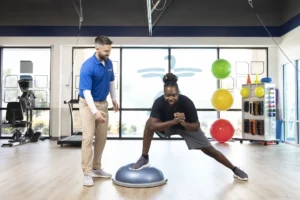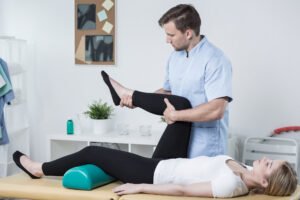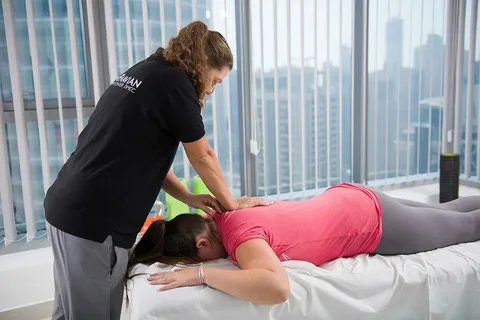
Musculoskeletal pain has a way of making movement feel guarded. A stiff neck turns driving into a chore, a restricted shoulder makes reaching for a seatbelt uncomfortable, and low back tightness can make even standing up from a chair feel like a negotiation. In many cases, the tissue itself is not the only issue; joint restrictions, muscle guarding, and altered movement patterns accumulate and reinforce one another until the problem feels larger than any single structure. Manual Therapy in Loveland, CO addresses these layers through hands-on treatment techniques that are applied by licensed professionals trained to assess tissue quality, joint mobility, and movement coordination. For residents of Loveland dealing with persistent pain, post-injury stiffness, or recovery after surgery, manual therapy offers a targeted way to restore motion and reduce discomfort so that exercise and daily activity become more comfortable and productive.
The demand for hands-on care has grown as patients seek conservative, non-invasive options for musculoskeletal problems and as research continues to support manual therapy as part of a comprehensive rehabilitation plan. People want treatment that feels personalized rather than generic, and they want a clinician who can explain what is being done and why. Searching for Manual Therapy in Loveland, CO is often the first step toward care that combines skilled touch with clinical reasoning. A qualified provider evaluates the whole movement system, identifies restrictions that may be contributing to pain, and integrates manual techniques with exercise and education so that improvements hold up over time rather than fading shortly after the session ends.
Understanding Manual Therapy in Loveland, CO and Its Importance
Manual Therapy in Loveland, CO refers to a group of hands-on treatment techniques used by physical therapists, osteopathic physicians, and other licensed clinicians to assess and treat musculoskeletal dysfunction. These techniques include joint mobilization, joint manipulation, soft tissue mobilization, myofascial release, trigger point therapy, and gentle traction, each selected according to the patient’s presentation and stage of healing. The importance of manual therapy lies in its ability to influence tissues and joints that are difficult to address through exercise alone. A restricted joint may need graded mobilization before strengthening can be effective, and a muscle that has been guarded for months may require soft tissue work to restore length and reduce sensitivity. Manual therapy also provides the clinician with diagnostic information through touch, revealing areas of restriction, warmth, or altered tone that help refine the treatment plan. In Loveland and the surrounding region, where active lifestyles and seasonal outdoor pursuits are common, manual therapy can help patients return to hiking, gardening, cycling, and work demands with greater comfort and confidence.
Importance of Professional Manual Therapy
Professional manual therapy is important because hands-on techniques require accurate assessment and careful application. Applying force to a joint or pressing into soft tissue without understanding the underlying condition can aggravate symptoms or delay appropriate care. A licensed clinician screens for red flags, reviews imaging and medical history when relevant, and determines whether manual therapy is appropriate for the patient’s diagnosis and stage of healing. Professional care also integrates manual techniques with therapeutic exercise, because mobility gained during a session is more likely to last when the surrounding muscles are strengthened and movement patterns are retrained. Patients receive education about activity modification, posture, and self-management strategies that support the work done in the clinic. Without that combination, manual therapy can become a temporary fix that feels good for a day or two but does not produce lasting change. The professional’s role is to use hands-on care as a catalyst for broader recovery rather than as a standalone treatment.
Techniques and Services Related to Manual Therapy in Loveland, CO
Techniques connected to Manual Therapy in Loveland, CO include joint mobilization, in which the clinician applies graded oscillatory movements to restore joint play and reduce stiffness; joint manipulation, a controlled thrust technique used in selected cases to improve mobility; soft tissue mobilization and myofascial release, which address restrictions in muscles, fascia, and connective tissue; trigger point therapy, which targets localized areas of tenderness and referred pain; and gentle traction, which can decompress joints and reduce nerve irritation. Clinicians may also use instrument-assisted soft tissue mobilization, dry needling as an adjunct in some practices, and positional release techniques. These approaches are typically combined with therapeutic exercise, posture training, and ergonomic education so that gains in mobility translate into functional improvement. A thorough initial evaluation determines which techniques are appropriate, and reassessment guides progression. Patients often notice changes in ease of movement and reduced pain within a session, but the lasting benefit depends on consistent follow-through with the home program and activity recommendations provided by the clinician.
Choosing the Right Manual Therapy Provider
Choosing the right provider for Manual Therapy in Loveland, CO requires attention to licensure, experience, and communication style. Patients should ask whether the clinician routinely treats their specific condition, what techniques are likely to be used, and how manual therapy will be integrated with exercise and education. A thorough evaluation should include a detailed history, hands-on assessment, and a clear explanation of findings in plain language. It is reasonable to ask about expected timelines, how progress will be measured, and what signs would prompt a referral to another specialist. Insurance coverage, scheduling availability, and location also matter because consistency supports better outcomes. Clinical fit, however, is central: the right provider listens carefully, explains the rationale behind each technique, and treats the patient as an active participant in recovery. Patients should feel comfortable asking questions and should leave the first visit with a clear understanding of the plan.
Quality Safety and Industry Standards
Quality and safety in manual therapy depend on licensed providers, evidence-informed practice, and careful technique selection. A reputable clinic maintains a clean and professional treatment environment, uses appropriate draping and consent practices, and ensures that techniques are applied within the clinician’s scope of practice. Providers screen for contraindications such as fractures, severe osteoporosis, uncontrolled bleeding disorders, or signs of infection, and modify treatment accordingly. Manual therapy should be individualized to the patient’s age, diagnosis, tissue quality, and comfort level rather than applied as a standard protocol. Good clinics document findings and progress, reassess at planned intervals, and coordinate with physicians or other specialists when needed. These standards protect patients, support trust, and ensure that hands-on care is delivered as part of a coherent, ethical treatment plan.
Benefits of Hiring or Using Professional Services
The benefits of professional manual therapy include reduced pain, improved joint mobility, decreased muscle tension, and better tolerance for exercise and daily activity. Patients often find that hands-on treatment makes it easier to perform their home exercises and return to work, sport, and household tasks with less discomfort. Manual therapy can also improve circulation and tissue health in areas that have been guarded or immobilized, and it can help restore a sense of body awareness that supports safer movement. When combined with strengthening and education, the improvements tend to last longer and reduce the likelihood of recurrence. For many patients, the greatest benefit is the confidence that comes from understanding their condition and having a clear path toward recovery rather than relying on temporary relief.
Future Trends and Industry Development
The future of manual therapy is moving toward more integrated, evidence-informed, and technology-supported care. Clinicians are increasingly combining hands-on techniques with objective measurement tools such as range-of-motion sensors and movement analysis to track progress and refine treatment. Telehealth is being used for education and follow-up, while in-person sessions focus on assessment and hands-on care. There is also growing emphasis on patient self-management, with clinicians teaching techniques that support mobility between visits. Research continues to clarify which patients benefit most from specific manual therapy approaches and how best to combine them with exercise. As these trends develop, manual therapy will remain a valuable component of musculoskeletal care, applied with greater precision and integrated more closely with active rehabilitation.
Conclusion
Hands-on treatment can be a powerful catalyst for recovery when it is delivered by a skilled clinician who understands the underlying condition and integrates manual techniques with exercise and education. By improving joint mobility, reducing soft tissue restriction, and decreasing pain, manual therapy helps patients move more comfortably and participate more fully in the activities that matter to them. For anyone dealing with persistent musculoskeletal pain or restricted movement, Manual Therapy in Loveland, CO offers a clinically sound, personalized approach that supports both immediate relief and long-term function. Taking that step is an investment in mobility, comfort, and overall quality of life.