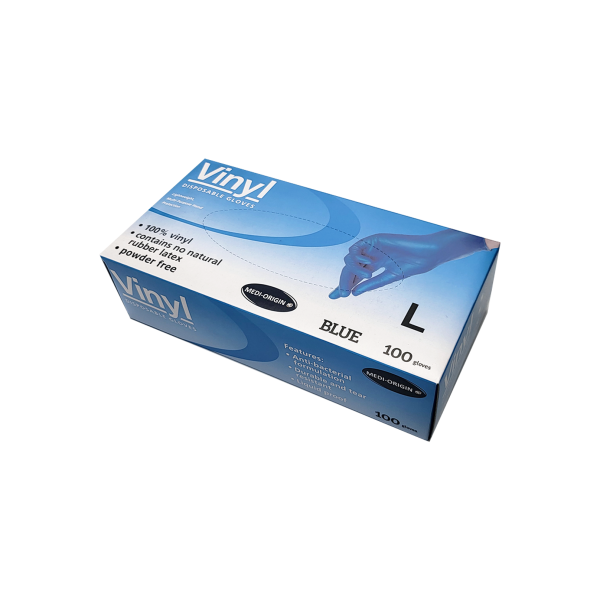
Maintaining hygiene and protecting hands are essential in workplaces where employees regularly handle food, cleaning products, equipment, and everyday materials. Disposable gloves provide a convenient barrier that helps reduce direct contact with contaminants and supports safer working practices. Among the available options, vinyl powder free gloves are a popular choice for businesses seeking an affordable and practical disposable hand protection solution.
Made from polyvinyl chloride (PVC), vinyl gloves are commonly used in food preparation, hospitality, cleaning, beauty services, and general-purpose applications. Their powder-free design makes them particularly suitable for environments where additional powder residue is undesirable.
Businesses often choose vinyl gloves because they are easy to put on, comfortable for short-duration tasks, and available in multiple sizes. They can also be a useful alternative for people who want to avoid natural rubber latex gloves.
However, choosing the right disposable gloves requires understanding their material properties, limitations, and intended applications. Vinyl gloves do not provide the same durability or chemical resistance as every other glove material. Selecting the correct product helps businesses maintain hygiene without compromising workplace safety.
This guide explains what vinyl powder-free gloves are, their benefits, common applications, selection considerations, and proper usage practices.
What Are Vinyl Powder Free Gloves?
Vinyl powder-free gloves are disposable protective gloves manufactured from polyvinyl chloride, commonly known as PVC. They are designed to provide a basic protective barrier for suitable tasks involving food, cleaning, personal care, and general handling.
Unlike powdered gloves, these products are manufactured without added donning powder. This helps reduce the transfer of powder residue to hands, surfaces, equipment, and handled materials.
Vinyl gloves are generally available in clear, blue, and other colours. They are commonly supplied in disposable boxes containing multiple pairs, making them convenient for workplaces with regular glove requirements.
Their material provides a smooth surface and a comfortable fit for many short-duration tasks. However, vinyl gloves generally offer less elasticity and durability than comparable nitrile gloves.
How Are Vinyl Gloves Manufactured?
Vinyl gloves are produced using polyvinyl chloride resin combined with suitable additives that help create a flexible glove material.
The manufacturing process typically involves preparing the PVC formulation, dipping glove-shaped moulds into the material, and processing the coating to form the finished glove.
The resulting product is designed for disposable use.
Powder-free gloves are manufactured without adding the traditional donning powder used in some glove products. Depending on the manufacturing process, additional surface treatments may help users put them on more easily.
What Does Powder-Free Mean?
Powder-free means the gloves do not contain added donning powder, such as cornstarch, commonly used in some disposable gloves.
Powder residue can create problems in certain working environments. It may transfer to food, products, surfaces, and equipment.
Powder-free gloves help reduce this concern.
They are particularly useful in food preparation, hospitality, healthcare support activities, and other hygiene-sensitive environments where powder contamination should be minimised.
Key Benefits of Vinyl Powder Free Gloves
Businesses select vinyl powder free gloves because they offer several practical benefits for suitable everyday applications.
1. Powder-Free Design Supports Better Hygiene
One of the main advantages of powder-free vinyl gloves is the absence of added donning powder.
This makes them suitable for workplaces where powder residue is undesirable.
Food preparation teams, hospitality employees, and cleaning professionals often prefer powder-free gloves because they help minimise unnecessary residue during routine handling tasks.
The powder-free design also supports cleaner working practices when gloves are changed frequently.
2. Latex-Free Material
Vinyl gloves are manufactured from PVC rather than natural rubber latex.
This makes them a suitable alternative for workplaces looking to avoid natural rubber latex materials.
Latex allergies can affect some employees and customers. Using appropriate latex-free gloves can help reduce exposure to natural rubber latex proteins.
However, vinyl gloves are not automatically suitable for every person with sensitive skin. Some users may react to glove additives or experience irritation from prolonged use.
3. Cost-Effective for Routine Tasks
Vinyl gloves are often considered an economical option for general-purpose disposable hand protection.
Businesses that use large quantities of gloves may find them useful for activities that do not require high levels of puncture resistance or chemical protection.
Their affordability can support routine glove replacement and help organisations manage consumable expenses.
However, purchasing decisions should consider product quality and suitability rather than price alone.
4. Comfortable for Short-Duration Activities
Vinyl gloves have a relatively smooth material surface and are available in several sizes.
They can provide a comfortable option for short-duration tasks involving basic handling and hygiene procedures.
Their fit is generally less elastic than nitrile or latex gloves. Selecting the correct size is therefore important.
Gloves that are too loose can interfere with handling, while tight gloves may create unnecessary discomfort.
5. Easy to Change Between Tasks
Disposable gloves are useful in workplaces where employees need to change protective equipment regularly.
Vinyl gloves can be removed and replaced after suitable tasks, helping support contamination-control procedures.
For example, food preparation workers may change gloves when moving between raw ingredients, prepared food, cleaning activities, and waste handling.
Changing gloves must always be combined with appropriate hand hygiene.
6. Available in Multiple Sizes and Colours
Vinyl gloves are commonly available in small, medium, large, and extra-large sizes.
Some manufacturers also offer additional sizing options.
Colour availability can help businesses organise different tasks or departments. For example, coloured gloves may be used as part of an internal food safety or cleaning system.
Colour alone does not establish a glove’s suitability. Product specifications and intended-use information should always be checked.
Common Uses of Vinyl Powder Free Gloves
Vinyl gloves are used across several industries where basic disposable hand protection is appropriate.
Their affordability and powder-free design make them particularly useful for routine activities that do not involve significant mechanical or chemical hazards.
Food Preparation and Food Processing
Food businesses frequently use disposable gloves to support hygiene procedures.
Vinyl gloves can be suitable for selected food preparation activities, including:
- Preparing sandwiches and salads.
- Handling ready-to-eat foods.
- Portioning suitable ingredients.
- Preparing bakery products.
- Serving food.
- Handling packaged food items.
Businesses must confirm that their selected gloves are suitable for food contact and comply with applicable requirements.
Gloves should be changed when employees move between different food preparation activities. They should also be replaced after touching waste, cleaning equipment, or contaminated surfaces.
Importantly, disposable gloves do not replace handwashing or other food safety controls.
Hospitality and Catering
Restaurants, cafés, catering companies, and commercial kitchens need practical hygiene supplies for daily operations.
Vinyl gloves can support selected activities involving food preparation, serving, and general cleaning.
Their disposable design makes them convenient for businesses that need to maintain separate gloves for different tasks.
Hospitality managers should choose suitable sizes and ensure employees understand when gloves must be changed.
Cleaning and Janitorial Services
Cleaning professionals regularly handle surfaces, equipment, waste, and cleaning materials.
Vinyl gloves may be suitable for light cleaning activities involving compatible products.
They can provide a convenient barrier during dusting, wiping, basic housekeeping, and other routine tasks.
However, vinyl gloves are not suitable for every cleaning chemical. Strong detergents, solvents, concentrated disinfectants, and industrial chemicals may require a different glove material.
Always review chemical compatibility information before use.
Beauty and Personal Care Services
Beauty salons, spas, and personal care businesses often use disposable gloves for selected treatments and hygiene-related activities.
Vinyl gloves may be appropriate for basic tasks that do not require high levels of tactile sensitivity or resistance to strong chemicals.
Applications can include:
- General salon cleaning.
- Handling suitable products.
- Basic hygiene procedures.
- Non-invasive personal care activities.
For hair colouring, chemical treatments, and other activities involving potentially aggressive substances, businesses should select gloves based on chemical compatibility and manufacturer guidance.
Healthcare Support Environments
Vinyl gloves may be used for certain low-risk activities in healthcare and care environments when the product meets the applicable requirements.
However, healthcare facilities must distinguish between general-purpose gloves and medical examination gloves.
Clinical procedures involving blood, bodily fluids, infectious materials, or other exposure risks require gloves appropriate to the task and relevant medical standards.
Vinyl gloves should not automatically be treated as suitable for every medical application.
Retail and General Handling
Retail employees may use disposable gloves when handling suitable products, packaging, and materials.
They can be useful for activities where basic hand protection and cleanliness are required.
Examples include selected stock-handling tasks, product preparation, and general housekeeping.
For rough materials, sharp objects, or activities involving significant mechanical hazards, more durable protective equipment may be necessary.
Vinyl Powder Free Gloves vs Nitrile Gloves
Vinyl and nitrile gloves are both popular disposable options. However, they have different material properties and are designed for different applications.
Understanding these differences helps businesses avoid purchasing unsuitable products.
Material Composition
Vinyl gloves are manufactured from polyvinyl chloride, a synthetic plastic material.
Nitrile gloves are made from synthetic rubber known as nitrile butadiene rubber.
These materials have different levels of flexibility, durability, and chemical resistance.
Flexibility and Fit
Nitrile gloves generally offer better elasticity than vinyl gloves.
Vinyl gloves have a looser fit and less stretch, which can affect comfort during activities involving repeated hand movements.
For short-duration tasks, vinyl gloves may be adequate. For applications requiring a closer fit and greater dexterity, nitrile may be more appropriate.
Puncture Resistance
Nitrile gloves generally offer better puncture resistance than comparable vinyl gloves.
Vinyl gloves are more vulnerable to tearing and damage during demanding activities.
Businesses handling rough materials, sharp components, or equipment should consider stronger protective options.
Chemical Resistance
Nitrile provides resistance to many oils, greases, and chemicals.
Vinyl gloves have more limited chemical resistance and may not be appropriate for certain solvents or aggressive cleaning products.
Chemical compatibility must be checked against the specific substance, concentration, temperature, and exposure duration.
Cost Considerations
Vinyl gloves are often selected for their economical price and suitability for high-volume, low-risk tasks.
Nitrile gloves may cost more, but their additional durability can make them a better option for applications requiring stronger protection.
The best choice depends on the workplace risk assessment rather than the lowest purchase price.
How to Choose the Right Vinyl Powder Free Gloves
Selecting suitable gloves involves evaluating the work environment, required protection, glove quality, and employee comfort.
The following factors can help businesses make informed purchasing decisions.
Check the Intended Application
Start by identifying what employees will handle while wearing gloves.
A glove suitable for food preparation may not be appropriate for chemical cleaning or healthcare procedures.
Review the manufacturer’s intended-use information and confirm that the product meets the requirements of the specific task.
Select the Correct Size
Proper sizing helps improve comfort and handling.
Vinyl gloves are available in different sizes, so businesses should provide options that accommodate their employees.
A glove that is too tight may tear more easily or create discomfort. A glove that is too loose may interfere with grip and movement.
Employees should be able to put on and remove gloves without excessive stretching.
Confirm Food Contact Suitability
Food businesses should verify that gloves are manufactured and documented for the intended food-contact application.
Consider applicable food safety requirements and manufacturer instructions.
It is also important to confirm whether the gloves are suitable for contact with oily, fatty, acidic, or other specific food types when relevant.
Review Glove Quality
Not all vinyl gloves offer identical performance.
Before purchasing, check important product specifications, including:
- Material composition.
- Thickness.
- Length and cuff design.
- Size availability.
- Powder-free status.
- Intended-use information.
- Applicable standards and certifications.
- Manufacturer identification and traceability.
Reliable documentation helps buyers compare products and determine whether they are suitable for workplace requirements.
Consider Thickness and Durability
Vinyl glove thickness can influence handling characteristics and durability.
Thicker gloves may provide additional material strength for certain tasks. However, thickness alone does not establish overall protection.
Businesses should evaluate the product’s performance and intended use rather than relying on thickness as the only purchasing factor.
Compare Packaging Options
Vinyl gloves are commonly supplied in boxes and larger cartons.
Businesses with high consumption rates may benefit from bulk packaging.
Compare the number of gloves per box, carton quantities, storage requirements, and delivery arrangements.
Choosing suitable packaging can help simplify inventory management.
Are Vinyl Powder Free Gloves Suitable for Sensitive Skin?
Vinyl gloves are latex-free, which makes them useful for individuals who need to avoid natural rubber latex.
However, latex-free does not necessarily mean allergy-free.
Some gloves contain additives and processing chemicals that may cause irritation or sensitivity in certain users.
Skin irritation can also result from sweating, friction, prolonged glove use, or repeated exposure to moisture.
Employees who experience redness, itching, or discomfort should stop using the product and follow workplace health procedures.
Businesses should consider suitable alternatives where employees have known glove sensitivities.
Proper Use and Disposal of Vinyl Gloves
Disposable gloves provide a protective barrier only when they are used correctly.
Incorrect handling can transfer contaminants between surfaces or reduce the effectiveness of workplace hygiene procedures.
Inspect Gloves Before Use
Check gloves for visible holes, tears, damage, or manufacturing defects.
Do not use gloves with damaged packaging or signs of deterioration.
If a glove tears during work, remove it safely and replace it immediately.
Wash Hands Before Wearing Gloves
Hand hygiene should be performed before putting on disposable gloves.
Clean hands help reduce contamination inside the gloves.
Gloves should not be treated as a replacement for handwashing.
Change Gloves Between Tasks
Replace gloves when moving between activities that could cause contamination.
Food handlers should change gloves when switching between raw and ready-to-eat food preparation.
Cleaning employees should use fresh gloves when moving between areas where contamination risks differ.
Avoid Touching Contaminated Surfaces
Workers should avoid touching unnecessary surfaces while wearing contaminated gloves.
Door handles, phones, keyboards, and shared equipment can become contaminated through improper glove use.
Employees should remove gloves before touching personal items or clean equipment when required by workplace procedures.
Dispose of Gloves Correctly
Vinyl gloves are generally designed for single use.
After use, dispose of them according to the type of contamination and applicable workplace waste procedures.
Gloves contaminated with hazardous substances or biological materials may require specific waste handling arrangements.
Do not reuse disposable gloves unless the manufacturer specifically permits it for the intended application.
Why Businesses Should Buy Vinyl Powder Free Gloves in Bulk
Businesses that regularly use disposable gloves need a reliable purchasing and inventory system.
Buying vinyl powder free gloves in bulk can help organisations manage routine supply requirements and maintain consistent availability.
Better Cost Management
Wholesale purchasing may provide lower unit costs when ordering larger quantities.
This can be useful for restaurants, cleaning companies, catering services, and other organisations with regular glove consumption.
Businesses should compare the overall cost alongside product quality and suitability.
Reduced Ordering Frequency
Bulk purchases can reduce the need for frequent small orders.
This saves administrative time and allows purchasing teams to focus on other operational responsibilities.
Improved Stock Availability
Maintaining sufficient glove inventory helps reduce the risk of shortages.
Businesses should monitor consumption and establish reorder points based on usage patterns and delivery schedules.
Consistent Product Specifications
Buying the same suitable glove product regularly can support consistent workplace procedures.
Employees become familiar with the glove’s fit, feel, and intended applications.
However, businesses should review product suitability periodically to ensure that workplace requirements have not changed.
Easier Inventory Planning
Bulk purchasing allows organisations to organise stock by size, colour, and product type.
Clear inventory records can help purchasing teams identify frequently used sizes and plan future orders more effectively.
Common Mistakes to Avoid When Buying Vinyl Gloves
Selecting unsuitable disposable gloves can create unnecessary costs and workplace risks.
Businesses should avoid these common mistakes.
Choosing Gloves Based Only on Price
The cheapest product may not provide the quality or performance required for the intended task.
Compare specifications, product documentation, and supplier reliability before purchasing.
Assuming Vinyl Gloves Are Suitable for Every Task
Vinyl gloves are designed for general-purpose applications, not every workplace hazard.
They may be unsuitable for tasks involving sharp objects, aggressive chemicals, or significant mechanical exposure.
Select gloves according to a proper workplace risk assessment.
Ignoring Chemical Compatibility
Some cleaning products and industrial substances can damage vinyl material.
Check manufacturer compatibility information before exposing gloves to chemicals.
Use an appropriate alternative when vinyl does not provide sufficient protection.
Purchasing the Wrong Size
Incorrect sizing can reduce comfort and make gloves more difficult to use.
Offer a suitable range of sizes and encourage employees to select the correct fit.
Reusing Disposable Gloves
Reusing disposable gloves can transfer contaminants and compromise hygiene.
Replace gloves after use, contamination, or damage according to workplace procedures.
Frequently Asked Questions About Vinyl Powder Free Gloves
1. What Are Vinyl Powder Free Gloves?
Vinyl powder-free gloves are disposable gloves made from polyvinyl chloride (PVC). They are manufactured without added donning powder and are commonly used for food preparation, cleaning, hospitality, and general handling tasks.
2. Are Vinyl Powder Free Gloves Latex-Free?
Yes. Vinyl gloves are made from PVC rather than natural rubber latex.
They are a suitable alternative for many users who need to avoid natural rubber latex. However, some individuals may still experience irritation from glove additives or other factors.
3. What Does Powder-Free Mean in Vinyl Gloves?
Powder-free means the gloves do not contain added donning powder.
This helps reduce powder residue on hands, food, products, and working surfaces.
Powder-free gloves are commonly preferred in hygiene-sensitive environments.
4. Are Vinyl Gloves Suitable for Food Handling?
Some vinyl gloves are manufactured for food-contact applications.
Businesses should confirm that the selected product meets applicable food safety requirements and is suitable for the specific food types being handled.
5. Are Vinyl Gloves Better Than Nitrile Gloves?
Neither material is automatically better for every application.
Vinyl gloves are often more economical for suitable low-risk tasks. Nitrile gloves generally provide better elasticity, puncture resistance, and resistance to many oils and chemicals.
The correct choice depends on workplace requirements.
6. Can Vinyl Gloves Be Used for Cleaning?
Vinyl gloves may be suitable for light cleaning activities involving compatible products.
However, they are not suitable for every detergent, disinfectant, or chemical. Always check the manufacturer’s compatibility information.
7. Are Vinyl Powder Free Gloves Waterproof?
Intact vinyl gloves provide a barrier against water and many liquids during suitable tasks.
However, damaged gloves may allow liquids to reach the skin. Their resistance to chemicals and other substances varies.
8. Can Vinyl Gloves Be Reused?
Vinyl disposable gloves are generally intended for single use.
Reusing them can increase contamination risks and reduce their effectiveness. Follow manufacturer instructions and workplace hygiene procedures.
9. Do Vinyl Gloves Come in Different Sizes?
Yes. Most manufacturers offer small, medium, large, and extra-large sizes.
Some suppliers provide additional sizing options to accommodate different users.
10. Are Vinyl Gloves Suitable for Healthcare Use?
Some vinyl gloves meet requirements for specific medical applications.
However, healthcare professionals must choose gloves that meet the relevant medical standards and are appropriate for the procedure. General-purpose vinyl gloves should not automatically be used for clinical tasks.
11. How Long Can Vinyl Gloves Be Worn?
There is no universal wearing time for all vinyl gloves.
Replace gloves when they become damaged, contaminated, or unsuitable for continued use. Follow workplace procedures and manufacturer guidance.
12. Are Powder-Free Vinyl Gloves Good for Sensitive Skin?
They can be suitable for people who prefer latex-free, powder-free hand protection.
However, powder-free and latex-free do not guarantee that a product will never cause irritation. Users with known sensitivities should check the product composition.
13. What Colours Are Available for Vinyl Gloves?
Vinyl gloves are commonly available in clear and blue options. Other colours may also be offered by manufacturers.
Colour selection should support workplace organisation without replacing product verification.
14. How Should Vinyl Gloves Be Stored?
Store gloves in their original packaging in a clean, dry environment.
Protect them from excessive heat, direct sunlight, and conditions that could damage the material. Follow the manufacturer’s storage recommendations.
15. Why Should Businesses Purchase Vinyl Gloves Wholesale?
Wholesale purchasing can help businesses manage supply costs, reduce ordering frequency, and maintain sufficient stock.
It is particularly useful for organisations with regular glove consumption, such as restaurants, cleaning companies, and catering businesses.
Conclusion: Choosing the Right Vinyl Powder Free Gloves
Disposable gloves play an important role in maintaining hygiene and supporting suitable hand protection across many industries. Vinyl gloves provide an economical and practical option for selected everyday tasks.
Vinyl powder free gloves are particularly useful in food preparation, hospitality, cleaning, beauty services, and general handling environments where powder residue should be avoided.
Their latex-free PVC construction makes them an alternative to natural rubber latex gloves. Their disposable design also supports regular glove replacement and contamination-control procedures.
Before purchasing, businesses should consider product quality, sizing, thickness, food-contact suitability, and intended applications. They should also understand the limitations of vinyl material, particularly when working with chemicals or activities requiring stronger puncture resistance.
For organisations with ongoing glove requirements, bulk purchasing can simplify inventory management and support consistent availability.
Ultimately, choosing the right gloves means matching the product to the task. When selected and used correctly, vinyl powder-free gloves can contribute to cleaner working practices and more efficient daily operations.
