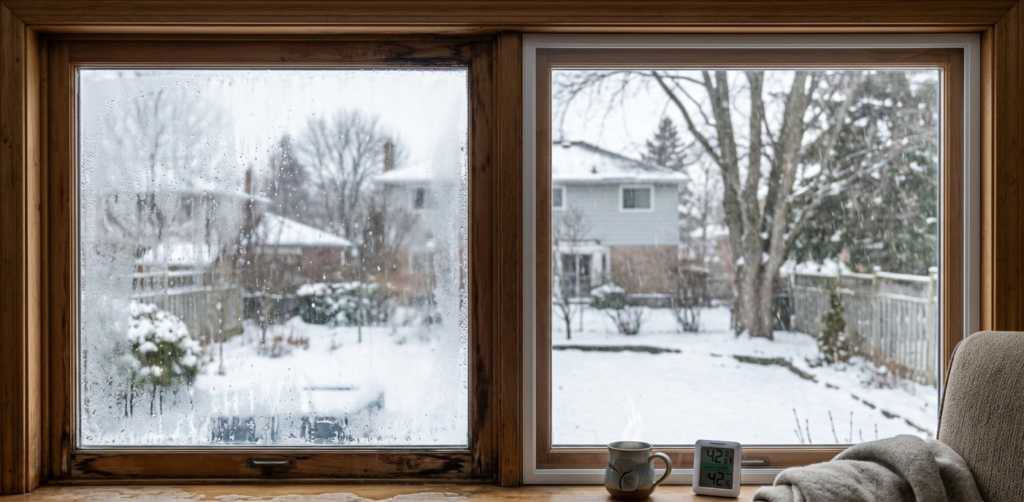
Condensation on windows is more than a seasonal annoyance. It can quietly damage your home, affect indoor air quality, and create the perfect breeding ground for mold. If you’ve ever wiped water off your windows on a cold morning only to see it return hours later, you’re not alone. Many homeowners across Canada struggle with this issue—especially in older properties with single-pane windows.
The good news? Secondary glazing offers one of the most effective, non-invasive solutions for reducing condensation without replacing your existing windows.
In this comprehensive guide, we’ll explore:
- What causes window condensation
- Why it becomes a serious problem
- How secondary glazing works
- Why it’s more effective than many alternative solutions
- Installation considerations
- Long-term benefits for comfort and efficiency
If you’re looking for a long-term answer to window condensation, this guide will walk you through everything you need to know.
Understanding Window Condensation
Before diving into solutions, it’s important to understand what’s actually happening when condensation forms.
What Is Condensation?
Condensation occurs when warm, moisture-laden indoor air comes into contact with a cold surface—like a windowpane. When the air cools rapidly, it can no longer hold the same amount of moisture, and water droplets form on the glass.
This is especially common in winter when:
- Indoor air is warm from heating systems
- Outdoor temperatures are significantly lower
- Windows lack proper insulation
Single-pane windows are particularly vulnerable because they provide minimal thermal resistance between indoor and outdoor environments.
Why Window Condensation Is a Serious Problem
Many homeowners assume condensation is just cosmetic. In reality, prolonged moisture buildup can lead to serious consequences.
1. Mold and Mildew Growth
Moisture accumulation around window frames and sills creates the ideal environment for mold spores to grow. Over time, this can spread into drywall and surrounding materials.
2. Wood Rot and Structural Damage
If your windows have wooden frames, repeated exposure to moisture can cause swelling, warping, and rot. Repairs can quickly become expensive.
3. Paint and Finish Damage
Condensation can peel paint, bubble finishes, and deteriorate caulking and sealants.
4. Reduced Indoor Comfort
Cold glass surfaces radiate cool air into the room, making spaces feel drafty and uncomfortable—even when the thermostat is set high.
5. Higher Energy Bills
Poor window insulation allows heat to escape, forcing your heating system to work harder.
Addressing condensation isn’t just about wiping water away. It’s about improving thermal performance.
Common Solutions (And Why They Often Fall Short)
Before secondary glazing enters the conversation, homeowners typically try simpler fixes.
Dehumidifiers
These reduce overall indoor humidity but don’t address the cold surface temperature of the window. In colder climates, they’re often insufficient alone.
Improved Ventilation
Opening windows or installing exhaust fans can help, but this often leads to heat loss during winter.
Window Film
Plastic shrink film kits add a thin barrier but are temporary, less durable, and often visually unappealing.
Full Window Replacement
While effective, replacing windows is costly, disruptive, and sometimes unnecessary—especially if original windows are structurally sound.
This is where secondary glazing becomes a powerful alternative.
What Is Secondary Glazing?
Secondary glazing involves installing a discreet, internal window system on the inside of your existing windows. This creates an insulating air pocket between the original glass and the secondary panel.
Unlike double-glazing replacement, secondary glazing preserves the original window while dramatically improving its thermal performance.
This additional barrier helps:
- Increase surface temperature of the interior glass
- Reduce heat transfer
- Minimize moisture buildup
- Improve acoustic insulation
For homeowners seeking reliable Secondary Glazing Solutions, this method offers a balance of performance, aesthetics, and affordability.
How Secondary Glazing Reduces Condensation
To understand why secondary glazing works so well, we need to look at thermal dynamics.
The Science Behind It
Condensation forms because the interior surface of your window becomes cold enough to drop below the dew point of indoor air.
Secondary glazing:
- Creates an insulating air gap
- Reduces cold transfer from outside
- Raises the interior surface temperature
- Keeps the glass above dew point
By keeping the inner pane warmer, moisture in the air no longer condenses into droplets.
The Role of the Air Gap
The sealed air space between the original window and the secondary panel acts as an insulating buffer.
This gap:
- Slows down conductive heat loss
- Reduces cold radiation
- Stabilizes internal surface temperatures
The larger and more airtight the air gap, the more effective the condensation control.
Why Secondary Glazing Is Ideal for Canadian Homes
Canadian winters can be harsh, with dramatic temperature differences between indoors and outdoors. Older homes in particular were not built with modern thermal standards.
Secondary glazing is especially beneficial because:
- It performs well in extreme cold
- It preserves heritage and character windows
- It avoids exterior building modifications
- It can be installed year-round
For homeowners exploring options through Magnetite Canada, secondary glazing offers a proven solution designed specifically for Canadian climates.
Additional Benefits Beyond Condensation Control
While reducing condensation is often the primary goal, secondary glazing offers multiple secondary advantages.
1. Improved Energy Efficiency
By reducing heat loss, secondary glazing lowers energy consumption. This can translate into noticeable savings on heating bills.
2. Noise Reduction
The additional barrier significantly reduces external noise. Homes near busy streets, rail lines, or urban centers benefit greatly.
3. Increased Comfort
Rooms feel warmer because cold drafts and radiant chill from glass are minimized.
4. Enhanced Security
The added internal layer provides another obstacle against forced entry.
5. Preservation of Original Windows
For heritage properties, replacing windows may not be permitted. Secondary glazing maintains architectural authenticity.
Key Factors That Influence Condensation Reduction
Not all installations are equal. To maximize performance, consider:
Airtight Sealing
Gaps reduce effectiveness. Professional-grade systems create a tight internal seal.
Proper Ventilation Balance
While glazing helps, managing indoor humidity through ventilation remains important.
Quality Materials
High-grade acrylic or glass panels ensure durability and clarity.
Correct Sizing
Custom-fit panels prevent air leakage and optimize thermal performance.
How Installation Works
One of the biggest advantages of secondary glazing is its simplicity.
- Measurements are taken of existing windows
- Custom panels are manufactured
- Panels are installed on the interior frame
- A sealed air cavity is created
There’s no need to remove existing windows, disturb exterior finishes, or repaint walls.
Installation is typically quick and clean, making it ideal for occupied homes.
Long-Term Performance Expectations
When properly installed, secondary glazing can:
- Last for decades
- Require minimal maintenance
- Maintain clarity and structural integrity
- Continue delivering condensation control year after year
Unlike temporary plastic film kits, this is a permanent upgrade.
Managing Indoor Humidity Alongside Secondary Glazing
While secondary glazing significantly reduces condensation, best results come from combining it with smart moisture management.
Tips to Lower Indoor Humidity:
- Use kitchen and bathroom exhaust fans
- Avoid drying clothes indoors without ventilation
- Keep houseplants in moderation
- Use a hygrometer to monitor humidity levels
- Maintain humidity between 30–50% in winter
When paired with proper humidity control, secondary glazing becomes even more effective.
Signs You Should Consider Secondary Glazing
You may benefit from secondary glazing if:
- You see frequent condensation in winter
- Window frames show signs of moisture damage
- Rooms feel cold despite heating
- You live in an older home with single-pane windows
- You want better insulation without full replacement
If these issues sound familiar, it may be time to explore Magnetite Canada secondary glazing systems as a long-term solution.
Cost Considerations
Costs vary depending on:
- Window size
- Number of windows
- Customization requirements
- Installation complexity
However, compared to full window replacement, secondary glazing is generally far more affordable.
When factoring in:
- Energy savings
- Reduced maintenance
- Prevention of structural damage
The return on investment becomes even more compelling.
Environmental Benefits
Replacing windows generates significant waste. Frames, glass, and materials often end up in landfills.
Secondary glazing:
- Extends the life of existing windows
- Reduces material waste
- Lowers energy consumption
- Decreases carbon footprint
For environmentally conscious homeowners, it’s a responsible upgrade.
Frequently Asked Questions
Will secondary glazing eliminate condensation completely?
In most cases, it dramatically reduces or eliminates interior condensation. However, extreme humidity levels may still require additional moisture control.
Does it look bulky?
Modern systems are discreet and designed to blend seamlessly with existing interiors.
Can windows still open?
Yes. Many systems are designed to allow ventilation and easy access for cleaning.
Is it suitable for condos?
Absolutely. Because installation is internal, it doesn’t alter the building’s exterior appearance.
Real-World Example: Winter Performance
Imagine it’s -20°C outside. Your indoor temperature is 21°C with moderate humidity.
Without secondary glazing:
- Interior glass temperature drops significantly
- Moisture condenses rapidly
With secondary glazing:
- Interior surface temperature remains higher
- Dew point is not reached
- Condensation is prevented
The difference is both visible and measurable.
Why Professional Installation Matters
DIY solutions may offer temporary relief, but professional-grade systems are engineered for performance.
Key benefits of professional installation include:
- Custom measurement precision
- Proper sealing
- Long-term durability
- Warranty coverage
- Optimized air gap spacing
A professionally installed system ensures you achieve maximum condensation reduction.
Final Thoughts
Condensation is more than a minor inconvenience—it’s a symptom of insufficient insulation and thermal imbalance. Left untreated, it can lead to structural damage, mold growth, and higher heating costs.
Secondary glazing offers a practical, efficient, and cost-effective solution. By creating an insulating barrier inside your existing windows, it raises interior glass temperatures and prevents moisture buildup at its source.
For Canadian homeowners facing harsh winters and aging windows, secondary glazing delivers:
- Condensation control
- Improved comfort
- Energy efficiency
- Noise reduction
- Long-term savings
Instead of replacing your windows entirely, consider enhancing what you already have.
With the right system in place, you can enjoy clear, dry windows all winter long—and a warmer, healthier home for years to come.