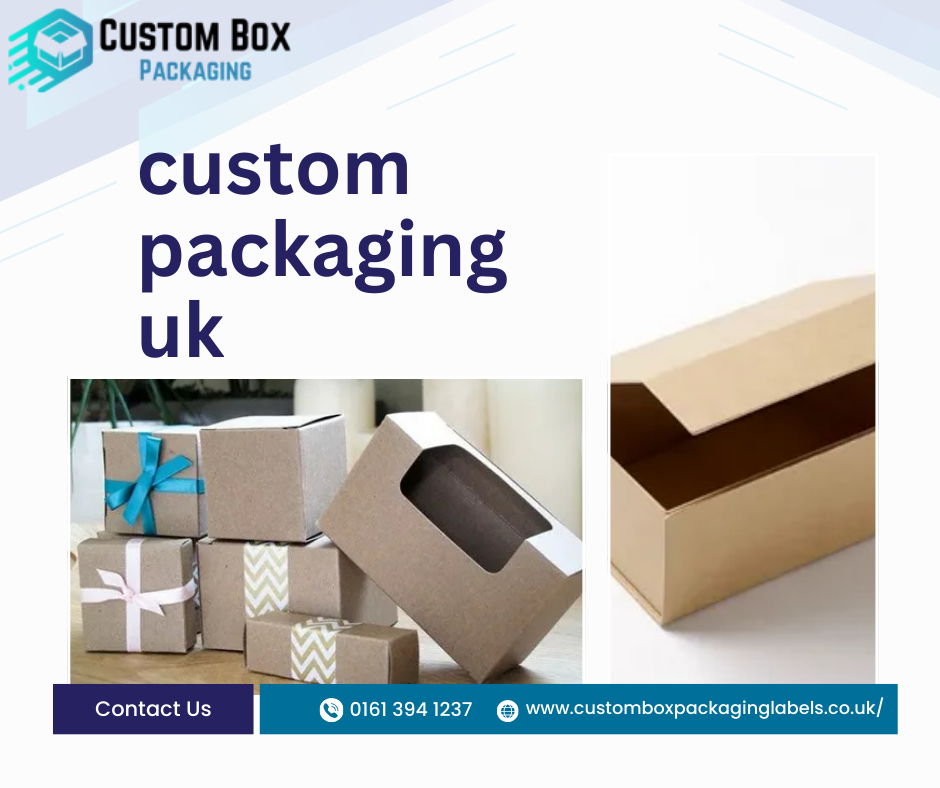
In today’s competitive retail and e-commerce environment, packaging does far more than protect a product. For businesses across the UK, custom packaging boxes UK solutions are now part of brand identity, logistics strategy, and sustainability planning. Whether you’re a small online retailer, a subscription-based start-up, or an established high-street brand, understanding how bespoke packaging works can help you make smarter operational decisions.
This guide explains what businesses should know about bespoke packaging UK, how it supports brand credibility, and what practical factors matter most when choosing the right packaging format.
Why Packaging Has Become a Strategic Business Tool
Packaging used to be viewed as a necessary cost. Today, it’s often integrated into marketing, compliance, and customer experience strategies.
In the UK market, businesses face specific pressures:
-
Increased online shopping and direct-to-consumer shipping
-
Sustainability regulations and environmental expectations
-
Competitive retail presentation standards
-
Consumer demand for recyclable or minimal packaging
For example, an independent cosmetics brand shipping nationwide must consider not only product protection but also postal durability, branding consistency, and environmental impact. A poorly sized box increases shipping costs and material waste. On the other hand, well-designed bespoke packaging supports both efficiency and perception.
This shift is why tailored solutions have grown across sectors such as food retail, fashion, subscription boxes, electronics, and hospitality.
What Makes Custom Packaging Effective?
Not all packaging labelled “custom” delivers genuine value. Effective solutions are built around product requirements rather than decorative features alone.
1. Structural Design
The first consideration is structural integrity. This includes:
-
Correct board grade (e.g., single-wall vs. double-wall corrugated)
-
Accurate internal dimensions
-
Insert solutions for fragile items
-
Weight tolerance for shipping
A UK-based meal kit company, for instance, may require insulated packaging with compartmentalised inserts. Meanwhile, a clothing retailer benefits more from lightweight custom printed mailer boxes UK designed for flat-pack garments.
2. Material Selection
Material choice influences sustainability, durability, and cost.
Common UK options include:
-
Corrugated cardboard
-
Kraft board
-
Rigid board for premium presentation
-
Recycled and FSC-certified materials
Businesses are increasingly opting for recyclable packaging to align with UK environmental standards and consumer expectations.
3. Print and Branding Integration
Design matters, but clarity matters more. Legible branding, accurate colour reproduction, and appropriate print techniques (such as digital or flexographic printing) ensure packaging looks professional without unnecessary excess.
Subtle brand reinforcement often performs better than overcomplicated visuals.
Understanding Bespoke Packaging UK for Different Industries
Different sectors require different solutions bespoke packaging UK. Below are common industry-specific considerations.
E-Commerce Retail
Online retailers prioritise:
-
Postal-friendly dimensions
-
Tamper-evident closures
-
Lightweight materials to reduce courier costs
-
Clear labelling areas
For subscription businesses, packaging also plays a role in customer retention. A well-structured box that opens cleanly and protects contents improves overall experience.
Food and Beverage
Food-grade materials and regulatory compliance are essential. Businesses must consider moisture resistance, temperature control, and hygiene standards.
Kraft takeaway boxes and custom printed food packaging are widely used by cafés and independent restaurants throughout the UK.
Beauty and Cosmetics
Presentation and protection go hand in hand. Inserts, rigid boxes, and precise fit prevent movement during transit while maintaining a premium feel.
Corporate and Promotional Use
Corporate gift boxes and promotional packaging often require custom sizing and branded finishes while remaining practical for distribution.
Sustainability: A Defining Factor in the UK Market
Sustainability is no longer optional. Many UK consumers actively consider packaging waste when making purchasing decisions.
Key considerations include:
-
Recyclable materials
-
Reduced ink coverage
-
Minimal void fill
-
Biodegradable alternatives
-
Clear disposal instructions
Right-sizing boxes is one of the simplest and most effective steps. Oversized packaging increases both material usage and carbon footprint.
Businesses that align packaging decisions with sustainability goals not only meet regulatory requirements but also strengthen brand credibility.
Practical Steps Before Ordering Custom Packaging
Before engaging with a supplier, businesses should clarify several internal details:
-
Exact product measurements
-
Weight specifications
-
Shipping method (Royal Mail, courier, pallet distribution)
-
Storage capacity in warehouse space
-
Target order volumes
Many packaging issues arise not from supplier limitations but from incomplete internal planning.
Working with experienced providers such as Custom Box Packaging Labels can help businesses navigate board grades, finishes, and compliance requirements without unnecessary complexity. However, clarity about internal needs remains essential.
Common Mistakes Businesses Should Avoid
From an industry perspective, certain mistakes appear frequently:
-
Prioritising aesthetics over structural durability
-
Ignoring shipping cost implications
-
Choosing materials without considering sustainability standards
-
Overcomplicating design with excessive finishes
-
Ordering large quantities without testing samples
Sampling and prototype testing are critical. A box that looks strong in design software may not perform under transit conditions.
Testing under real-world conditions reduces long-term losses and returns.
The Role of Packaging in Brand Trust
Packaging influences how customers perceive reliability. Clean printing, accurate sizing, and durable construction communicate operational competence.
In the UK market especially, customers associate excessive or damaged packaging with carelessness. Conversely, minimal but functional packaging signals efficiency and environmental awareness.
Even small adjustments—such as improved internal inserts or simplified design layouts—can make measurable differences in customer satisfaction and product protection rates.
Balancing Cost and Quality
Cost considerations are unavoidable, particularly for small and medium-sized enterprises.
However, the lowest unit price does not always represent long-term value. Damaged goods, customer returns, and brand dissatisfaction often cost more than moderate improvements in packaging quality.
Businesses should evaluate:
-
Cost per shipment
-
Damage reduction potential
-
Storage efficiency
-
Brand presentation impact
Strategic packaging decisions typically balance operational efficiency with customer experience.
Conclusion
As UK businesses navigate growing competition and evolving environmental standards, custom packaging boxes UK and carefully planned bespoke packaging UK solutions have become integral to brand strategy rather than an afterthought. Effective packaging supports logistics efficiency, sustainability goals, and professional presentation—without unnecessary complexity.
By focusing on structural integrity, responsible material choices, and practical design decisions, businesses can ensure their packaging serves both operational and reputational needs. Thoughtful planning and industry insight remain the foundation of packaging that truly performs in the modern UK marketplace.