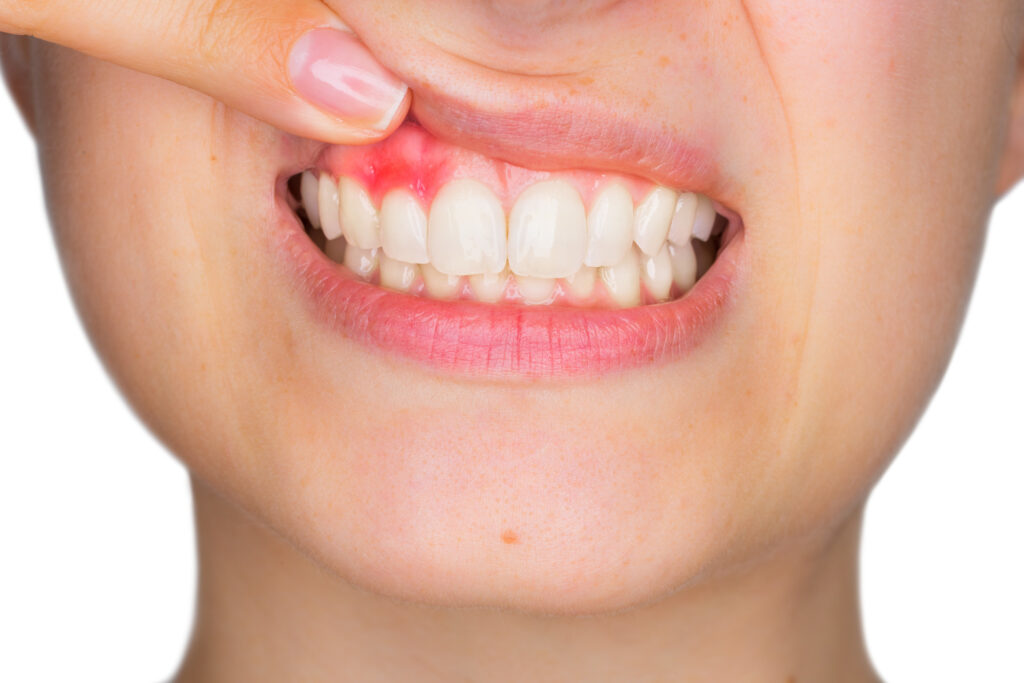
Closeup portrait of young woman showing, with his finger, inflamed upper gingiva with pain expression. Dental care and toothache.
Bleeding gums are a common dental issue that affects people of all ages. While occasional bleeding may occur due to aggressive brushing or flossing, frequent or spontaneous bleeding is often a sign of underlying dental or systemic problems. Understanding the causes, Bleeding gums treatment, and preventive measures is essential for maintaining healthy gums and overall oral health.
Understanding Bleeding Gums
Gums, or gingiva, are soft tissues that surround and protect the teeth. Healthy gums are usually firm and pink. Bleeding gums indicate inflammation, which is often the first sign of gum disease. Inflammation can result from plaque accumulation, infection, or injury. If untreated, it may progress to more severe conditions such as periodontitis, which can lead to tooth loss.
Bleeding can occur during brushing, flossing, or even spontaneously. It is crucial not to ignore this symptom, as it may reflect both local oral health issues and systemic health problems such as vitamin deficiencies, hormonal changes, or underlying diseases like diabetes or blood disorders.
Common Causes of Bleeding Gums
One of the most frequent causes of bleeding gums is gingivitis, a mild form of gum disease. Gingivitis develops due to the accumulation of plaque—a sticky film of bacteria that forms on teeth. Plaque irritates the gums, causing redness, swelling, and bleeding.
Other causes include improper oral hygiene, brushing too hard, or using a toothbrush with hard bristles. Flossing aggressively or using poor-quality dental products may also contribute. In some cases, nutritional deficiencies, particularly of vitamin C and vitamin K, can weaken the gums and increase the likelihood of bleeding.
Hormonal changes during pregnancy, menstruation, or menopause can make gums more sensitive and prone to bleeding. Certain medications, such as blood thinners, may also contribute to gum bleeding by affecting blood clotting.
Home Remedies for Bleeding Gums
Mild cases of bleeding gums can often be managed with simple home remedies. Improving oral hygiene is the first step. Brushing teeth twice daily with a soft-bristled toothbrush and fluoride toothpaste helps remove plaque without causing further gum irritation. Gentle flossing once a day removes trapped food particles that can worsen inflammation.
Rinsing the mouth with a warm saltwater solution can reduce swelling and kill bacteria. Mixing half a teaspoon of salt in a glass of warm water and swishing it in the mouth for 30 seconds before spitting can soothe inflamed gums.
Maintaining a balanced diet is equally important. Foods rich in vitamin C, such as citrus fruits, bell peppers, and leafy greens, strengthen gum tissues and promote healing. Vitamin K, found in spinach, kale, and broccoli, plays a role in blood clotting and may reduce bleeding tendencies.
Herbal remedies, like applying aloe vera gel directly to the gums or rinsing with chamomile tea, can have anti-inflammatory effects. However, these remedies are supportive measures and should not replace professional care if the condition persists.
Professional Treatments
When bleeding gums persist despite good oral hygiene, consulting a dentist is necessary. Professional evaluation helps determine the underlying cause and appropriate treatment.
For gingivitis, dental cleaning is the primary treatment. A dentist or hygienist performs scaling and polishing to remove plaque and tartar buildup. This process prevents the progression of gum disease and promotes gum healing.
In more severe cases, such as periodontitis, deeper cleaning procedures like root planing may be required. Root planing involves cleaning below the gum line to remove bacteria and smoothen the root surfaces, preventing further infection and supporting gum reattachment.
Sometimes, dentists may prescribe medicated mouthwashes or topical antibiotics to control infection and inflammation. In cases linked to systemic conditions, treatment may involve managing the underlying disease in addition to dental care.
Lifestyle Changes for Prevention
Preventing bleeding gums requires consistent oral care and healthy lifestyle habits. Brushing twice daily and flossing properly are fundamental practices. Using an antibacterial mouthwash can further reduce plaque buildup and bacterial growth.
Avoiding tobacco products is crucial, as smoking weakens the immune system and contributes to gum disease. Limiting sugary and processed foods can also help, as sugar promotes bacterial growth that leads to plaque accumulation.
Regular dental checkups are essential for early detection and management of gum problems. Dentists can identify subtle signs of gum disease before it becomes severe and provide professional cleaning to maintain optimal oral health.
Managing stress is another important factor. Stress can weaken the immune system, making it harder for the body to fight off infections, including those affecting the gums.
When to Seek Immediate Medical Attention
While occasional gum bleeding may be harmless, frequent or severe bleeding requires prompt medical evaluation. Signs such as spontaneous bleeding without brushing, persistent gum swelling, bad breath, or loose teeth may indicate advanced gum disease. Additionally, if bleeding gums are accompanied by other symptoms like fatigue, easy bruising, or unexplained bleeding elsewhere, it may suggest an underlying systemic issue that needs immediate attention.
Conclusion
Bleeding gums are a warning sign that should never be ignored. From mild irritation caused by brushing too hard to serious conditions like gingivitis and periodontitis, the causes can vary widely. Effective treatment involves a combination of good oral hygiene, home remedies, professional dental care, and lifestyle adjustments. Early intervention can prevent complications, maintain oral health, and improve overall well-being.
By understanding the causes and treatment options for bleeding gums, individuals can take proactive steps to protect their dental health. Regular dental visits, proper brushing and flossing techniques, balanced nutrition, and avoidance of harmful habits like smoking are all essential components of prevention. Ultimately, healthy gums contribute not only to a beautiful smile but also to a healthier body.