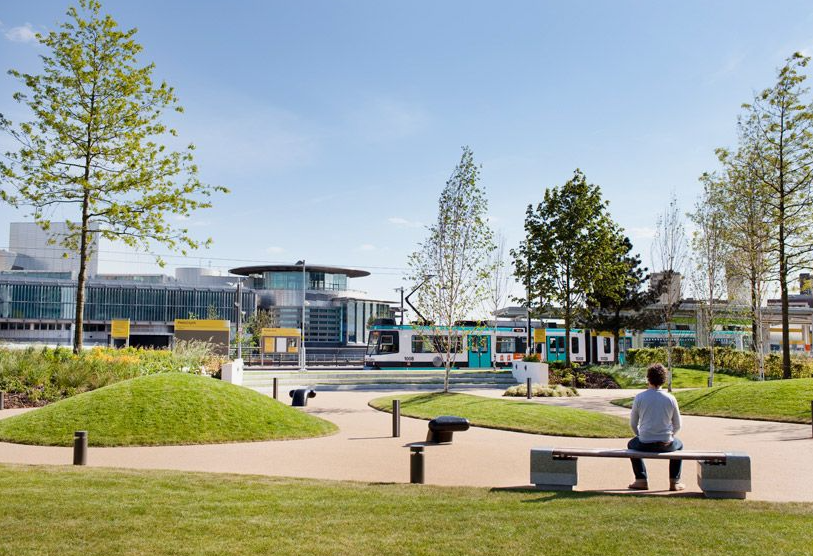
A commercial landscape architect specializes in planning, designing, and overseeing the development of outdoor spaces for business and public properties. Their expertise extends beyond planting trees and shrubs—they analyze land conditions, drainage systems, environmental impact, and pedestrian flow to create practical yet visually engaging environments.
These professionals work closely with engineers, developers, and urban planners to ensure that every project meets regulatory standards while aligning with the company’s brand image. Whether designing a welcoming corporate entrance, a sustainable rooftop garden, or a functional outdoor plaza, they integrate creativity with technical precision.
Their responsibilities typically include:
- Site analysis and environmental assessment
- Conceptual and master planning
- Sustainable landscape design
- Stormwater management planning
- Coordination with construction teams
- Long-term maintenance strategy development
By combining artistry with science, they deliver spaces that are both inspiring and efficient.
Enhancing Brand Image Through Outdoor Design
In competitive industries, branding goes beyond logos and websites. The physical environment surrounding a commercial property reinforces brand identity. Clean lines, structured greenery, and contemporary hardscapes communicate innovation and professionalism. On the other hand, lush gardens and naturalistic designs convey sustainability and community values.
Outdoor areas can also serve as functional extensions of business operations. Restaurants benefit from inviting patio spaces. Office buildings can incorporate relaxation zones to improve employee well-being. Retail centers can design walkable landscapes that encourage longer visitor stays. Strategic landscaping supports both marketing and operational goals.
Moreover, customers often associate well-maintained landscapes with reliability and trustworthiness. Investing in professional design sends a strong message about quality and long-term commitment.
Sustainability as a Core Design Principle
Environmental responsibility is no longer optional—it is a business expectation. Sustainable landscaping reduces water consumption, lowers energy costs, and minimizes environmental impact. Modern landscape professionals incorporate eco-friendly practices such as native plant selection, efficient irrigation systems, and permeable paving materials.
Green infrastructure solutions like rain gardens and bioswales manage stormwater naturally, preventing erosion and reducing strain on municipal drainage systems. Energy-efficient outdoor lighting enhances safety while minimizing electricity usage.
Sustainable commercial landscapes also contribute to healthier urban ecosystems. Trees and green spaces reduce heat island effects, improve air quality, and create habitats for local wildlife. These benefits extend beyond the property line, positively impacting the surrounding community.
Improving Property Value and ROI
Professional landscape design is not just an expense—it’s an investment. Studies consistently show that attractive, well-maintained commercial properties command higher rental rates and property values. Businesses located in thoughtfully designed environments often experience increased customer traffic and improved employee satisfaction.
Functional outdoor layouts improve accessibility and safety. Clearly defined walkways, adequate lighting, and structured parking areas enhance user convenience. This level of organization reduces liability risks and improves overall operational efficiency.
In addition, strategic landscaping can lower maintenance costs over time. Proper plant selection and irrigation planning prevent unnecessary replacements and water waste. Durable hardscape materials reduce repair expenses and extend longevity.
Creating Functional Outdoor Experiences
Commercial landscapes are evolving into multi-purpose environments. They are no longer just decorative; they are interactive spaces designed for engagement. Corporate campuses now feature outdoor meeting areas equipped with Wi-Fi and seating. Healthcare facilities incorporate therapeutic gardens to promote healing and relaxation.
Hospitality venues use landscape design to create immersive guest experiences. Water features, textured pathways, and carefully curated greenery enhance ambiance and comfort. Even industrial properties benefit from structured landscaping that improves safety and visual appeal.
Functionality also includes compliance with accessibility standards. Proper grading, ramp integration, and safe pathway planning ensure inclusive access for all visitors. Professional planning ensures that beauty never compromises practicality.
The Role of Technology in Modern Landscape Planning
Technology has transformed how commercial landscapes are conceptualized and executed. Advanced 3D modeling software allows clients to visualize projects before construction begins. Geographic Information Systems (GIS) help analyze environmental data, ensuring informed decision-making.
Smart irrigation systems automatically adjust watering schedules based on weather conditions, reducing waste. LED lighting systems offer programmable options for enhanced security and energy savings. These innovations improve both efficiency and sustainability.
By integrating technology with design expertise, landscape professionals deliver precision-driven results that align with modern business expectations.
Long-Term Maintenance and Strategic Planning
A successful landscape design extends beyond installation. Ongoing maintenance planning ensures that the property remains visually appealing and structurally sound. Seasonal plant care, irrigation system inspections, and hardscape maintenance preserve the original design intent.
Strategic planning also accounts for future expansion. Commercial properties often evolve over time, and adaptable landscape designs allow for seamless modifications. Planning with long-term growth in mind prevents costly redesigns later.
Regular assessments and professional management keep landscapes vibrant, safe, and aligned with changing business needs.
Conclusion
Outdoor spaces play a crucial role in shaping how businesses are perceived and experienced. From sustainability and branding to functionality and return on investment, professional landscape design delivers measurable value. By blending creativity with environmental responsibility and technical expertise, commercial properties can transform their exteriors into powerful business assets.
Investing in expert landscape planning is not merely about aesthetics it’s about creating environments that inspire confidence, foster engagement, and support long-term success.