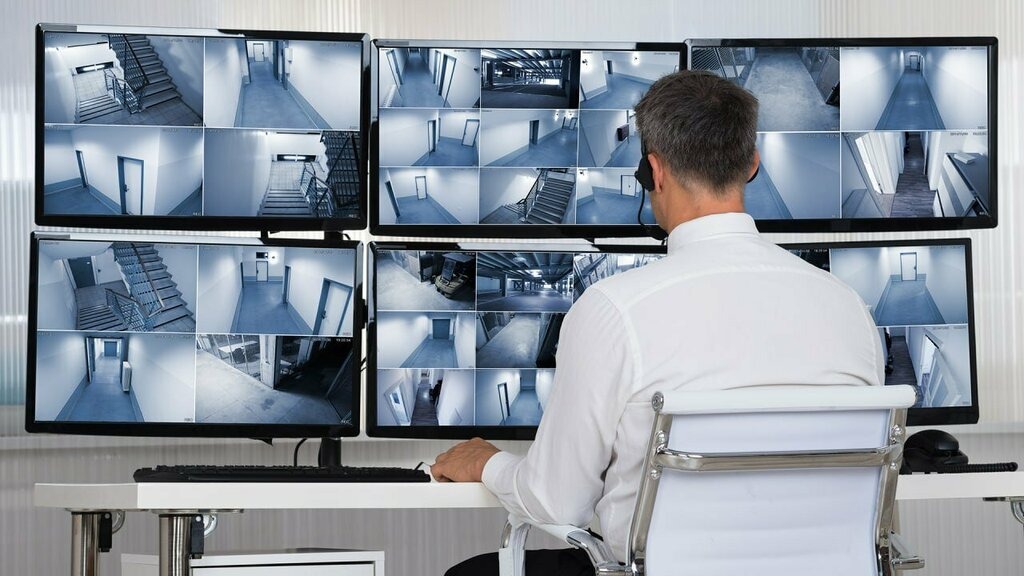
business security systems Canada
Running a business with several locations presents unique challenges that single location owners never face. You need a way to monitor everything happening across all your sites without physically being there. This requires a robust strategy that integrates technology with practical management.
The complexity increases when you add more employees and assets to the mix. Standard security measures often fall short when applied to a decentralized business model. You need a solution that scales with your growth.
Finding the right commercial security setup is crucial for protecting your bottom line. It ensures that your inventory and staff remain safe regardless of where they are located. This peace of mind allows you to focus on expansion rather than loss prevention.
Understanding the Challenges of Multi-Site Security
Managing security for one building is hard enough but managing five or ten is a different beast entirely. You cannot rely on a simple lock and key approach when you have multiple entry points across a city or state. Each location might have different layouts and vulnerabilities.
Communication breakdowns are common when sites operate in silos. An incident at one store might not be reported to headquarters until it is too late. This delay prevents you from spotting patterns or reacting to threats in real time.
Consistency is another major hurdle for growing businesses. You might have inherited different alarm systems from previous tenants at each new location. This creates a patchwork of technologies that do not talk to each other.
The Problem with Disparate Systems
Using different vendors for each site creates a logistical nightmare for your administrative team. You end up with multiple bills and support contracts to manage. This administrative burden takes time away from more important strategic tasks.
Staff training becomes difficult when every location uses a different interface. An employee transferring from one branch to another will need to relearn how to arm and disarm the system. This increases the likelihood of user error and false alarms.
Data fragmentation makes it impossible to get a clear picture of your overall security health. You cannot easily run reports or audit access logs across the entire organization. This lack of visibility leaves you vulnerable to internal theft and operational inefficiencies.
The Cost of Inefficiency
False alarms are not just a nuisance they are a significant financial drain. Police departments often charge fees for responding to false alarms which adds up quickly across multiple sites. These costs eat directly into your profit margins.
Operational downtime is another hidden cost of poor security management. If a system malfunctions and you cannot open a store on time you lose revenue. Reliable systems ensure that your business operates smoothly without interruption.
Insurance premiums can be higher for businesses with poor security records. Insurers want to see a unified and proactive approach to risk management. proving that you have control over all your locations can help lower your rates.
Key Features of Enterprise Grade Security
Modern security solutions offer cloud based management that changes the game for multi site owners. You can view live video feeds and access logs from a single dashboard on your phone or laptop. This centralizes control and simplifies oversight.
Scalability is essential for any business with growth plans. You need a system that allows you to add new locations with a few clicks. The hardware and software should standardized to make rollout quick and painless.
Integration capabilities allow your security system to work with other business tools. You can link your access control with your HR software to automatically revoke access when an employee leaves. This automation reduces administrative work and closes security gaps.
Cloud Based Access Control
Traditional keys are a liability because they can be copied or lost easily. Electronic access control uses cards or mobile credentials that are much harder to duplicate. You can grant or revoke access instantly from anywhere in the world.
Role based permissions ensure that employees only access areas relevant to their job. A store manager might have 24/7 access while a cashier only has access during business hours. This granular control minimizes internal risks.
Audit trails provide a detailed history of who entered which door and when. This data is invaluable during investigations into theft or policy violations. You can quickly identify who was present during an incident.
Video Surveillance and Analytics
Cameras act as a deterrent to crime but they also provide valuable business intelligence. Modern cameras can count people and track heat maps to show high traffic areas. This data helps you optimize store layouts and staffing levels.
Remote viewing allows you to check in on any location at any time. You can verify that opening and closing procedures are being followed correctly. This capability helps maintain brand standards across all your sites.
Smart alerts notify you only when something important happens. You do not need to watch hours of footage to find an event. The system flags motion or specific behaviors so you can react immediately.
Why Standardization Matters
Standardizing your equipment across all locations simplifies maintenance and repairs. Your IT team only needs to learn one system and carry one set of spare parts. This reduces the time it takes to fix issues and gets your system back online faster.
Vendor consolidation gives you more purchasing power and leverage. You can negotiate better rates for monitoring and maintenance when you commit to a single provider. This approach saves money and simplifies your accounts payable process.
Unified reporting helps you spot trends that you might otherwise miss. If you notice a spike in incidents at one location you can investigate and implement changes. You can then apply those lessons to your other sites to prevent similar issues.
Streamlining Employee Training
A consistent user experience reduces the learning curve for your staff. New hires can be trained once and be ready to work at any location. This flexibility is crucial for businesses that share staff between branches.
Standard operating procedures become easier to enforce when the technology is the same everywhere. You can write one security manual that applies to the entire company. This clarity helps ensure that everyone follows the same protocols.
Reducing complexity lowers the stress levels for your managers. They do not have to struggle with outdated or unfamiliar technology. They can focus on managing their teams and serving customers.
Comparing Commercial and Residential Options
It might be tempting to save money by installing consumer grade equipment. Many small business owners start by looking at home security systems found at big box stores. While these are great for houses they lack the robust features needed for business.
Residential systems are not built to handle high traffic or complex access rules. They typically do not offer the detailed reporting or integration options that businesses require. You will quickly outgrow these systems as your company expands.
Commercial grade hardware is designed to withstand heavy use and harsh environments. The cameras are more durable and the sensors are more reliable. Investing in professional equipment pays off in longevity and performance.
Bandwidth and Storage Needs
Business security cameras often record at higher resolutions and frame rates than home cameras. This requires more bandwidth and storage capacity to handle the data load. You need a network infrastructure that supports this traffic without slowing down your operations.
Cloud storage options for business offer longer retention periods. You might need to keep footage for 30 or 60 days to comply with regulations. Consumer plans usually offer much shorter storage limits.
Redundancy is critical for commercial applications. If your internet goes down your security system should still record locally. Hybrid cloud solutions offer the best of both worlds by storing footage on site and in the cloud.
Support and Service Level Agreements
When a camera goes down at your house it is an inconvenience. When a camera goes down at your business it is a liability. You need a provider that offers fast response times and guaranteed service levels.
Professional monitoring services for businesses often include verified response. This means that a security professional reviews the alarm before dispatching police. This reduces false alarms and ensures a faster police response when it is real.
Ongoing maintenance plans ensure that your system stays healthy. Technicians will clean cameras and test batteries regularly. This proactive approach prevents system failures before they happen.
Selecting the Right Partner
Choosing a security integrator is just as important as choosing the equipment. You want a partner who understands your industry and your specific challenges. Look for a company with a track record of serving multi site businesses.
Ask for references and case studies from similar clients. You want to know how the provider handles installation and support for distributed organizations. A good partner will be happy to share their success stories.
Consider the long term relationship when making your decision. You need a partner who will grow with you and adapt to your changing needs. Technology evolves quickly and you want a provider who stays ahead of the curve.
Evaluating Technical Capabilities
United Security Systems is an example of a provider that specializes in commercial integration. Companies like this offer customized solutions rather than one size fits all packages. They will assess your sites and design a system that fits your unique requirements.
Look for a provider that offers open platform solutions. Proprietary systems lock you into one manufacturer and make it hard to switch later. Open systems allow you to mix and match best of breed technologies.
Cybersecurity should be a top priority during your evaluation. Your security cameras and access control readers are IoT devices that can be hacked. Ensure your provider follows best practices for network security and device hardening.
Implementation and Onboarding
A smooth rollout plan is essential for minimizing disruption. You cannot afford to have your stores closed for days while installers work. Your provider should work around your schedule to get the job done efficiently.
Training should be part of the implementation package. Your staff needs to know how to use the new system effectively. Make sure your provider offers onsite training and digital resources.
Post installation support is where the real value lies. You need a dedicated account manager who knows your business. They should be your single point of contact for any issues or questions.
Future Proofing Your Investment
Technology moves fast and you do not want to be stuck with obsolete gear. Cloud based systems receive automatic software updates with new features. This keeps your system current without expensive hardware upgrades.
AI and machine learning are transforming the security landscape. Smart cameras can now detect weapons or recognize license plates. Investing in AI capable hardware now prepares you for these advanced features.
Scalability ensures that your investment retains its value. You should be able to add new cameras or doors easily as you remodel or expand. A flexible system grows with your business rather than holding you back.
Taking the Next Step
Securing a multi location business requires a strategic approach. You need to move beyond patchwork solutions and embrace a unified platform. This shift will save you money and reduce your risk.
Start by auditing your current security infrastructure. Identify the gaps and inefficiencies that are holding you back. This assessment will give you a clear roadmap for improvement.
Reach out to a qualified integrator to discuss your options. They can help you design a system that meets your needs today and tomorrow. The right security system is an investment in your business’s future success.