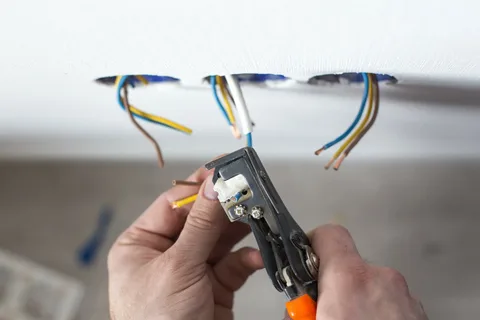
Home wiring problems are not always the result of old systems. In New York, many issues appear even in relatively newer homes due to poor planning, rushed installation, or outdated assumptions about how electricity is used today. These mistakes often stay hidden behind walls until they cause inconvenience, safety risks, or expensive repairs.
Understanding common wiring mistakes helps homeowners recognize potential problems early and make smarter decisions during construction, renovation, or inspection.
Treating Electrical Wiring as an Afterthought
One of the most frequent mistakes is treating wiring as a secondary concern. Many projects prioritize visual finishes while leaving electrical decisions until late in the process.
When wiring is rushed or added around design choices, the result is awkward outlet placement, overloaded circuits, and limited flexibility. Electrical systems work best when planned early, not squeezed in at the end.
Homes today consume far more electricity than homes built even ten years ago. Yet many wiring systems are designed using outdated assumptions.
Insufficient circuit capacity leads to frequent breaker trips and uneven power distribution. This problem often appears when multiple appliances, devices, and systems run at the same time.
Poor Outlet Placement Throughout the Home
Another common issue is placing too few outlets or placing them in inconvenient locations. This forces homeowners to rely on extension cords and power strips.
Aside from being visually messy, this increases fire risk and electrical strain. Proper outlet planning supports everyday use without workarounds.
Overloading Shared Circuits
Some homes use shared circuits for areas with high electrical demand. Kitchens, laundry rooms, and home offices often end up drawing power from the same circuit.
This causes overheating, power interruptions, and long-term wear on wiring. Separating loads is essential for safety and performance.
Ignoring Future Use Changes
Homes rarely stay the same forever. Rooms change purpose, families grow, and technology evolves.
Wiring systems that are designed only for current needs limit future flexibility. Adding new equipment later often requires invasive and costly rewiring.
Inconsistent or Improper Grounding
Grounding errors are dangerous and often overlooked. Poor grounding increases the risk of shock and equipment damage.
These mistakes are difficult to detect without inspection but can have serious consequences during power surges or electrical faults.
Electrical Panels That Are Too Small
An undersized electrical panel restricts how the home can be used. It also makes upgrades difficult or impossible without major changes.
Many New York homes suffer from panels that were never sized for modern living. This limits expansion and reduces overall system reliability.
Relying on Patchwork Fixes Instead of Proper Design
Temporary fixes often become permanent solutions. Added outlets, modified circuits, and improvised wiring changes accumulate over time.
This patchwork approach weakens system integrity and increases the likelihood of failure. Proper design should guide changes, not convenience.
Wiring Errors Hidden Behind Finished Walls
Some of the most costly wiring mistakes are invisible. Incorrect routing, tight bends, or poorly secured cables remain hidden until problems arise.
Once walls are finished, correcting these issues becomes disruptive and expensive. Quality installation during construction prevents these hidden failures.
When Professional Installation Prevents Costly Errors
Many wiring mistakes happen because installation is handled without a full system perspective. Coordinating circuits, loads, and future needs requires experience.
This is why some homeowners choose full home wiring installation in NY during construction or major upgrades, ensuring the system is designed as a complete, balanced network rather than a collection of fixes.
Skipping Electrical Planning During Renovations
Renovations often focus on visible changes while leaving electrical systems untouched. This creates mismatches between new layouts and old wiring.
Updated spaces may place new demands on outdated circuits, increasing risk and reducing efficiency.
Misaligned Lighting and Switch Layouts
Poor switch placement affects daily convenience more than many homeowners expect. Lights controlled from awkward locations quickly become frustrating.
These mistakes are usually the result of poor planning rather than technical limitations.
Overlooking Code Updates
Electrical codes evolve for safety reasons. Homes wired to older standards may no longer meet current expectations.
Ignoring updated requirements can cause inspection failures, insurance complications, and safety risks.
Increased Maintenance Due to Poor Wiring Choices
Wiring mistakes often lead to recurring service calls. Loose connections, overloaded circuits, and aging components fail more frequently.
This increases long-term ownership costs and reduces confidence in the home’s systems.
Reduced Home Value From Electrical Issues
Buyers pay close attention to electrical conditions during inspections. Wiring problems frequently lead to negotiation delays or price reductions.
Homes with visible or reported electrical issues lose market appeal, even if other features are attractive.
Preventing Mistakes Through Early Planning
Most wiring mistakes are avoidable. Proper planning, realistic load calculations, and future-focused design eliminate many common problems.
Investing time early reduces costs, stress, and safety concerns later.
Wiring as the Backbone of Home Function
Electrical wiring supports nearly every part of daily life. When it is poorly designed, the entire home feels compromised.
When done correctly, wiring works quietly, reliably, and safely without drawing attention.
Building Homes That Age Well
Homes built with thoughtful wiring design age better. They adapt to new technology, support lifestyle changes, and maintain value.
Avoiding common wiring mistakes is one of the most effective ways to protect both comfort and investment.
A Smarter Electrical Foundation
Wiring mistakes are often invisible until they become serious. Awareness is the first step toward prevention.
By recognizing these common issues, New York homeowners can make better decisions that lead to safer, more reliable, and more valuable homes.