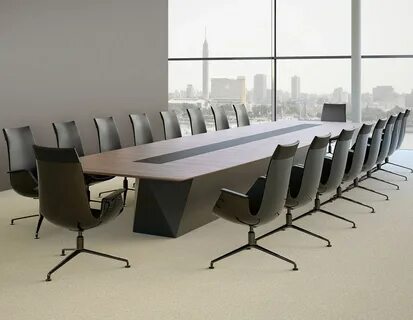
In today’s evolving office environments, conference table dimensions play a crucial role in creating productive and collaborative meeting spaces. The conference table serves as the centerpiece of any boardroom or meeting area, influencing not only aesthetics but also comfort, communication flow, and overall efficiency. Choosing the right table size can make a significant difference in how employees interact, brainstorm, and make decisions. As businesses move toward open and flexible office layouts, understanding standard and custom table dimensions becomes more important than ever to ensure that meeting spaces are both functional and inspiring.
Importance Of Choosing The Right Conference Table Dimensions
Selecting appropriate conference table dimensions is more than just a matter of fitting furniture into a room. The size and shape of the table directly affect how people collaborate and move within the space. A table that’s too large can make communication difficult, while one that’s too small might cause discomfort and limit participation. The right dimensions allow everyone to engage comfortably while maintaining proper spacing between seats. This balance creates a welcoming atmosphere that encourages productive discussions, creative thinking, and effective teamwork. The right dimensions also ensure enough room for technology integration, presentation equipment, and personal items without overcrowding the surface.
Standard Conference Table Dimensions To Consider
When it comes to standard conference table dimensions, several options suit different office sizes and meeting purposes. For smaller teams of four to six people, a table with dimensions around 6 feet long and 3 feet wide is ideal. Mid-sized conference rooms often use tables ranging from 8 to 10 feet in length, accommodating up to ten participants comfortably. Larger boardrooms that host executive meetings or client presentations typically require tables between 12 and 20 feet long, depending on seating capacity. The standard width usually ranges from 3 to 5 feet, ensuring enough space for laptops, documents, and refreshments. These standard measurements help businesses design efficient spaces that meet everyday functional needs.
How Room Size Influences Conference Table Dimensions
Before selecting a table, it’s essential to assess the room where it will be placed. The room’s size directly determines the suitable conference table dimensions. A good rule of thumb is to maintain at least 3 to 4 feet of clearance around the table to allow people to move comfortably. For instance, a 10-foot-long table would ideally fit in a room measuring at least 16 by 12 feet. This spacing ensures that chairs can be pulled out easily, and participants can walk around without obstruction. Additionally, considering door placement, lighting fixtures, and audio-visual equipment helps in determining the most practical size for the space.
Shapes And Their Impact On Conference Table Dimensions
The shape of a conference table also influences its ideal dimensions. Rectangular tables are the most traditional choice and work best in large boardrooms, providing a clear seating hierarchy. Round and oval tables promote equality and collaboration, making them perfect for team discussions. Square tables are ideal for small, intimate meetings, while boat-shaped designs combine visual appeal with better sightlines. Each shape has distinct dimension requirements to maintain proper spacing. For example, an oval table for eight people might measure around 8 feet in length, while a rectangular one for the same number might need 10 feet. Understanding these variations ensures that the chosen design enhances both comfort and communication.
Ergonomics And Comfort In Conference Table Design
Ergonomics play a vital role in selecting the right conference table dimensions. Meeting participants often spend extended periods sitting during presentations or discussions, so ensuring adequate space and legroom is essential. The standard table height typically ranges from 28 to 30 inches, which aligns with most office chairs for optimal comfort. Each person should have at least 30 inches of space along the table’s edge to sit comfortably without feeling crowded. Proper spacing not only improves comfort but also enhances engagement and productivity. When employees feel at ease, they can focus more effectively and contribute better during meetings.
The Role Of Technology In Determining Table Dimensions
In today’s digital workplace, technology integration has become a significant factor in determining conference table dimensions. Modern conference tables often include built-in power outlets, data ports, and cable management systems to support laptops, projectors, and other electronic devices. These additions require thoughtful consideration of table width and surface area to avoid clutter and maintain functionality. Companies that conduct virtual meetings or presentations may also need extra space for cameras, microphones, and video conferencing tools. By planning dimensions that accommodate these needs, businesses can create smart meeting spaces that foster seamless collaboration.
Aesthetic And Design Considerations
Beyond practicality, the appearance of a conference table also contributes to the overall design harmony of an office. Proper conference table dimensions ensure proportional balance within the room, preventing the space from appearing cramped or empty. Materials, finishes, and colors further enhance the table’s visual appeal. Wooden tables convey warmth and tradition, while glass or metal designs offer a sleek, modern look. Matching the table dimensions with the room’s design elements, lighting, and flooring creates a cohesive and professional environment that impresses both employees and clients. A well-proportioned table reflects the company’s attention to detail and commitment to quality design.
Custom Conference Table Dimensions For Unique Spaces
While standard sizes work for most offices, custom conference table dimensions are ideal for businesses with specific space requirements or branding preferences. Custom tables can be designed to fit unique room layouts, accommodate a particular number of participants, or include specialized features such as branding logos, integrated screens, or unconventional shapes. Customization allows companies to reflect their identity and culture through their office furniture. By working with expert furniture designers, businesses can ensure that their conference tables are not only functional but also distinct and memorable.
Sustainability And Material Efficiency In Table Design
Sustainability is becoming a key focus in modern office design, and it extends to conference table dimensions as well. Choosing tables made from eco-friendly materials such as reclaimed wood, bamboo, or recycled metal helps minimize environmental impact. Designing tables with optimal dimensions ensures material efficiency, reducing waste during production. Moreover, modular table systems that can be reconfigured promote longevity and adaptability, supporting long-term sustainability goals. Businesses that prioritize environmentally responsible furniture demonstrate a commitment to both innovation and ecological awareness.
Conclusion
Selecting the right conference table dimensions is essential for creating a workspace that balances comfort, style, and functionality. The perfect table size enhances communication, supports technology integration, and complements the room’s overall aesthetics. Whether opting for standard or custom dimensions, every choice should consider ergonomics, available space, and user experience. A well-designed conference table can transform meetings into collaborative and inspiring sessions that drive success. For businesses seeking premium-quality designs that combine modern style, durability, and functionality, Office Furniture remains a trusted source for creating professional and productive office environments.