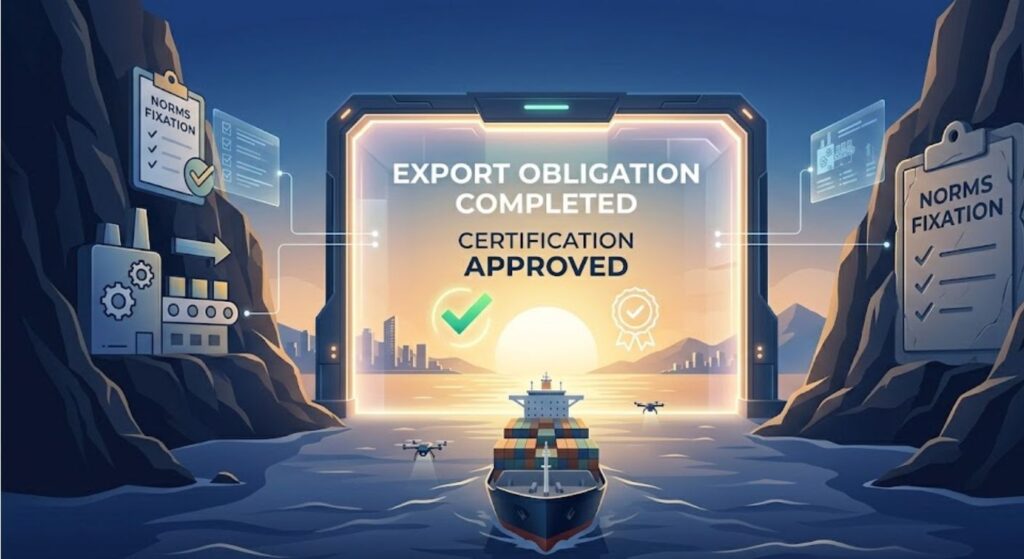
In the rapidly evolving world of international trade, compliance and efficiency are no longer optional—they are essential for survival and growth. Indian exporters, especially those leveraging government schemes, must understand key regulatory frameworks like EPCG License EODC and AEO Certification.
While the EPCG scheme helps businesses reduce capital investment costs, obtaining the Export Obligation Discharge Certificate (EODC) is crucial for closing compliance. On the other hand, AEO Certification enhances credibility and ensures smoother customs processes. Together, these tools can significantly improve your export operations.
This article breaks down both concepts in a practical and actionable way to help you maximize benefits and avoid costly mistakes.
What is EPCG License EODC?
The EPCG License EODC (Export Obligation Discharge Certificate) is issued after an exporter fulfills the export obligation under the Export Promotion of Capital Goods (EPCG) scheme. It serves as proof that the business has met all conditions tied to duty-free or concessional import of capital goods.
Key Aspects of EPCG License EODC
- Proof of Export Obligation Fulfillment
Once a company completes its required exports within the stipulated time, it applies for EODC. This certificate confirms that the exporter has complied with all EPCG conditions, eliminating future liabilities. - Closure of Legal and Financial Obligations
Without EODC, businesses remain exposed to penalties, including payment of saved duties with interest. Obtaining the certificate ensures complete closure of the EPCG license. - Essential for Business Continuity
Companies planning to apply for new licenses or expand operations must have their previous EPCG obligations cleared through EODC to maintain credibility with authorities.
Common Challenges in Obtaining EPCG License EODC
Many exporters face hurdles while applying for EODC due to compliance gaps or documentation issues.
- Incomplete Export Documentation
Missing shipping bills, invoices, or bank realization certificates can delay or even reject EODC applications, making it essential to maintain accurate records throughout the export cycle. - Mismatch in Export Obligation Calculations
Incorrect calculation of export value or timelines can create discrepancies, leading to complications during verification by authorities. - Delays in Application Submission
Waiting too long after fulfilling export obligations can result in penalties or additional scrutiny, affecting the overall compliance status of the business.
What is AEO Certification?
AEO Certification (Authorized Economic Operator) is a globally recognized program that validates a business as a secure and compliant trading partner. It is granted by customs authorities to companies that demonstrate high standards in operations, documentation, and supply chain security.
Key Features of AEO Certification
- Faster Customs Clearance
AEO-certified businesses benefit from reduced inspections, priority processing, and quicker release of goods, which significantly improves turnaround time. - Global Trade Recognition
Since AEO is based on international standards, certified businesses gain trust among global partners, making it easier to expand into new markets. - Reduced Compliance Burden
With fewer checks and simplified procedures, businesses can focus more on growth rather than dealing with frequent regulatory hurdles.
Benefits of AEO Certification for Exporters
AEO Certification is not just about compliance—it’s a strategic advantage.
- Improved Supply Chain Efficiency
Faster movement of goods reduces delays, ensuring timely delivery and better customer satisfaction, which is critical in competitive international markets. - Lower Operational Costs Over Time
Reduced inspections and faster clearances help cut down logistics costs such as warehousing and demurrage charges. - Enhanced Risk Management
AEO-certified companies implement strong internal controls, reducing the likelihood of fraud, errors, and compliance violations.
How EPCG License EODC and AEO Certification Work Together
Although they serve different purposes, EPCG License EODC and AEO Certification complement each other in creating a strong export ecosystem.
- Compliance and Efficiency Combined
While EODC ensures that your EPCG obligations are fulfilled and closed, AEO Certification ensures ongoing operational efficiency and trust with customs authorities. - Stronger Business Credibility
A company with cleared EPCG obligations and AEO status is seen as highly reliable, which improves relationships with both regulators and international clients. - Smooth Expansion Opportunities
Businesses planning to scale exports or enter new markets benefit from both compliance clarity and faster logistics processes.
Practical Example for Better Understanding
Consider a manufacturing company importing machinery under the EPCG scheme.
- After fulfilling its export obligations over several years, the company applies for EPCG License EODC to officially close the license and avoid any future liabilities.
- Simultaneously, the company obtains AEO Certification, enabling faster customs clearance for its ongoing exports.
This dual approach allows the company to maintain compliance while improving efficiency, resulting in smoother operations and increased profitability.
Step-by-Step Approach for Businesses
Steps to Obtain EPCG License EODC
- Compile all export-related documents, including shipping bills, invoices, and bank realization certificates, ensuring accuracy and completeness before submission.
- Calculate the total export obligation fulfilled and verify it against the EPCG license conditions to avoid discrepancies during review.
- Submit the application to DGFT and respond promptly to any queries or clarification requests to speed up the approval process.
Steps to Get AEO Certification
- Conduct an internal audit of your business processes, focusing on compliance, documentation, and supply chain security measures.
- Prepare and submit the application along with required documents, including financial records and operational details.
- Cooperate with customs authorities during verification and implement any recommended improvements to achieve certification.
Best Practices for Smooth Compliance
- Maintain organized and up-to-date documentation for all import-export transactions.
- Use digital tools or ERP systems to track export obligations and compliance status.
- Conduct regular internal audits to identify and resolve potential issues early.
- Stay updated with government policies and notifications related to export schemes.
Conclusion
Understanding and effectively utilizing EPCG License EODC and AEO Certification can transform your export business. While EODC ensures that your past obligations are fully compliant and closed, AEO Certification positions your business as a trusted and efficient trading partner.
By combining these two elements, businesses can reduce risks, improve operational efficiency, and gain a competitive edge in global markets.
If you want to streamline your export operations and build a future-ready business, start focusing on compliance today. Ensure timely completion of your EPCG License EODC and work toward obtaining AEO Certification to unlock faster clearances and global credibility.
Take the next step—consult experts, organize your documentation, and position your business for long-term success in international trade.