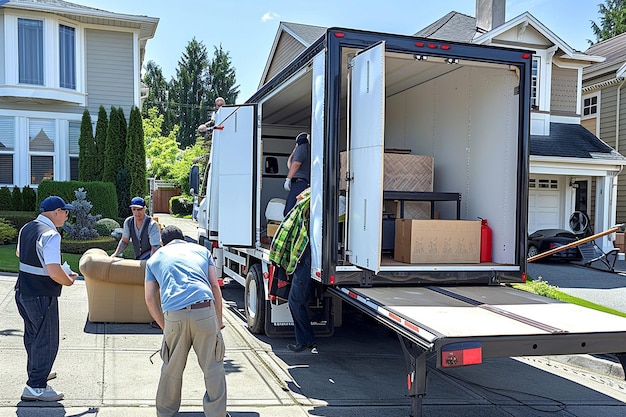
Moving can be an exciting new chapter, but when it comes to long distance moving, things can get complicated. From the packing to the delivery of your belongings, there’s a lot to manage. This is where long distance moving companies come into play. They can make your move much easier, but it’s important to ask the right questions before booking your move.
By asking the right questions, you ensure that you won’t face any unexpected surprises down the road. In this article, we’ll go over some essential questions to ask long distance movers before you book them. With the right information, you’ll be able to make a well-informed decision and avoid unnecessary stress.
1. What’s Included in Your Estimate?
One of the most important questions to ask any long distance moving company is about their estimate. Many companies will provide an initial quote, but it’s important to ask for clarification on exactly what’s included. Sometimes the initial quote might only cover basic moving services, leaving out things like packing materials, fuel charges, or tolls.
Why It’s Important
If you’re not clear on what’s included in the estimate, you could be in for an unpleasant surprise when the bill comes. Make sure the quote covers all aspects of the move, from packing to delivery, and that there are no hidden fees.
How to Maximize This Benefit:
Ask for a detailed breakdown of the estimate and request that any additional charges (such as for packing materials or fuel surcharges) are included in the final price.
2. Do You Have Insurance Coverage?
Accidents can happen during a long distance move, and it’s important to know what kind of insurance coverage your long distance movers provide. While most moving companies offer basic coverage, this may not be enough to fully protect your belongings.
Why It’s Important
If anything gets damaged or lost during the move, you want to know how it will be handled. Basic coverage typically won’t replace everything, especially if you have valuable or fragile items.
How to Maximize This Benefit:
Ask about the types of insurance offered and whether you can purchase additional coverage for high-value items like electronics, artwork, or antiques.
3. What’s Your Availability and Schedule?
Moving across a long distance means you’ll likely have a set time frame for when your belongings need to arrive. Ask the long distance movers about their availability and scheduling process, especially if your moving dates are inflexible.
Why It’s Important
Long distance movers may have tight schedules, especially during peak seasons like summer. It’s important to know whether they can accommodate your moving timeline.
How to Maximize This Benefit:
Schedule your move as early as possible to ensure you get the dates you need. If your timeline is non-negotiable, check if the company offers guaranteed delivery dates.
4. How Do You Handle Delays or Unexpected Issues?
Even with the best planning, things don’t always go as expected during a long distance move. Weather delays, traffic, or logistical issues can cause delays. It’s important to ask how the moving company handles these situations and what kind of communication you can expect if something goes wrong.
Why It’s Important
Unexpected delays are a common part of long distance moves, but it’s good to know how the company will handle them. Clear communication can help reduce your stress if things don’t go as planned.
How to Maximize This Benefit:
Make sure the company has a plan in place for delays and that you will be kept informed throughout the process.
5. What’s Your Experience with Long Distance Moves?
Not all moving companies specialize in long distance moves. Some may only handle local moves, while others focus on interstate or cross-country relocations. It’s important to choose a company that has experience with long distance moves, as these tend to have more complexities than a local move.
Why It’s Important
Long distance moving requires specific logistics, such as route planning and proper scheduling, which a long distance movers may not have the experience to handle efficiently.
How to Maximize This Benefit:
Ask about the long distance movers experience with long distance moves and whether they have handled moves similar to yours. The more experience they have, the smoother your move will likely be.
6. Can You Provide References or Reviews?
Before booking a long distance moving company, it’s a good idea to ask for references or check online reviews. Customer feedback can give you insight into the long distance movers reliability, customer service, and the overall moving experience.
Why It’s Important
Reviews and references are a great way to learn about the long distance movers reputation and how they handle different situations. Positive reviews can give you peace of mind, while negative reviews can help you avoid potential issues.
How to Maximize This Benefit:
Look for reviews on independent websites, not just the long distance movers own site. This will give you a more unbiased view of their services.
7. What Type of Equipment Do You Use?
Long distance moves require specialized equipment to transport your belongings safely. It’s important to ask what type of moving trucks and equipment the company uses, especially if you have large or fragile items.
Why It’s Important
Ensuring that the long distance movers has the right equipment can help prevent damage to your belongings. Trucks should be equipped with proper padding, straps, and other safety features to secure your items during transport.
How to Maximize This Benefit:
Inquire about the specific equipment the company uses and whether they have the necessary tools to safely move your items.
Conclusion
Hiring the right long distance movers can make your move a lot easier, but it’s essential to ask the right questions before booking your move. By asking about estimates, insurance, scheduling, and the company’s experience, you can make an informed decision and avoid any unpleasant surprises along the way.
Take the time to research different long distance moving companies and gather all the information you need. A little extra effort upfront can help ensure that your move goes smoothly, making your transition to your new home a lot less stressful.