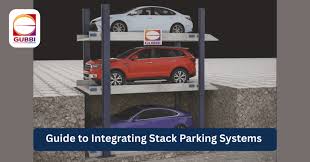
Urban areas are facing a serious parking shortage as the number of vehicles continues to grow every year. Traditional parking layouts can no longer handle rising demand, especially in crowded residential and commercial zones. This is where car stack parking becomes a practical solution. It uses vertical space efficiently, allowing multiple vehicles to be parked in the footprint of a single car space without requiring large land areas.
A car stack parking system is designed to maximize available parking capacity by arranging vehicles on different levels using hydraulic or mechanical lifting platforms. These systems are ideal for apartments, offices, malls, hospitals, and hotels where space is limited. They provide a structured way to organize vehicles while ensuring safety, convenience, and long term durability for property owners and users.
As cities become denser, builders and developers are actively looking for solutions that reduce land usage without compromising accessibility. A car stack parking system manufacturer provides customized designs that match site requirements, vehicle load capacity, and operational needs. These systems are now considered essential infrastructure in modern construction projects where efficient parking planning is a priority.
What Is Car Stack Parking and How It Works
Car stack parking is a mechanical parking arrangement where vehicles are stacked vertically using automated or semi automated platforms. Each parking unit has a lifting mechanism that raises or lowers cars to different levels. Drivers park at ground level, and the system moves the vehicle to an available upper slot safely and smoothly without manual handling.
Most systems operate using hydraulic cylinders, electric motors, and steel structures designed for heavy load support. Safety locks prevent accidental movement, while control panels allow easy operation. Some advanced systems also include automated sensors and remote access controls, making them user friendly and suitable for both residential complexes and commercial buildings.
The working principle is simple yet effective. When a driver enters the parking platform, the lift mechanism raises the vehicle to create space for another car below. This vertical stacking helps utilize unused air space, reducing the need for large parking lots. It also ensures vehicles remain protected from external damage and environmental exposure.
Types of Car Stack Parking Systems
There are several types of stack parking systems designed to meet different parking needs. Two level stack parking is the most common type used in residential buildings. It allows one car to be parked above another using hydraulic lifting platforms. This system is cost effective and suitable for small to medium sized parking requirements.
Three level stack parking systems are designed for higher parking density. These systems are often installed in commercial complexes, office buildings, and large residential projects. They can accommodate more vehicles within the same area, making them ideal for places where land costs are high and parking demand is continuously increasing.
Fully automated stack parking systems represent advanced technology in parking management. These systems require minimal human involvement and operate using computerized controls. Vehicles are automatically lifted, moved, and stored in designated slots. This reduces waiting time, enhances safety, and improves overall parking efficiency in high traffic locations.
Benefits of Installing a Car Stack Parking System
One of the biggest advantages of stack parking is space optimization. By using vertical stacking, property owners can increase parking capacity without expanding land area. This is especially beneficial in urban environments where real estate prices are high and available land is limited for infrastructure expansion.
Another major benefit is improved vehicle safety. Cars parked in stack systems are protected from theft, vandalism, and accidental damage. Safety locking mechanisms ensure vehicles remain secure even during power interruptions or system maintenance activities, giving users peace of mind.
Stack parking systems also help maintain organized parking layouts. Instead of random vehicle placement, structured parking arrangements improve traffic flow within parking zones. This reduces congestion, minimizes conflicts among drivers, and creates a more systematic parking environment in residential and commercial properties.
Applications of Car Stack Parking Systems
Residential apartments are one of the primary users of stack parking systems. With limited parking space in urban housing complexes, these systems provide an efficient solution to accommodate multiple residents’ vehicles within a restricted area without requiring additional construction space.
Commercial buildings such as shopping malls and corporate offices also rely heavily on stack parking solutions. High visitor traffic demands organized parking facilities, and stack systems help manage large volumes of vehicles while reducing waiting time and improving accessibility for customers and employees.
Hospitals and hotels benefit significantly from stack parking installations. These places require quick parking access and organized vehicle management. Stack systems help streamline entry and exit flow, ensuring visitors can park conveniently even during peak hours when traditional parking methods would be insufficient.
Key Features to Look for in a Stack Parking System
When selecting a parking system, structural strength is a critical factor. High quality steel construction ensures the system can handle heavy vehicle loads safely over long periods. Corrosion resistant coatings also enhance durability, especially in outdoor installations exposed to environmental conditions.
Safety mechanisms are another essential feature. Reliable systems include emergency stop controls, anti fall locks, overload protection, and sensor based monitoring. These features prevent accidents and ensure smooth operation even under continuous usage conditions in busy environments.
Ease of operation is equally important. Modern stack parking systems include simple control panels, automated switches, and remote control options. These user friendly features reduce operational complexity and allow drivers to park vehicles quickly without requiring specialized technical knowledge.
Role of Car Stack Parking System Manufacturers
A professional manufacturer plays a vital role in ensuring system quality and reliability. They design customized parking solutions based on site measurements, vehicle capacity requirements, and operational preferences. This ensures the system fits perfectly within available space and meets user expectations.
Manufacturers also focus on engineering precision and compliance with safety standards. They conduct load testing, performance evaluation, and quality inspections to ensure each parking unit operates efficiently and safely under different conditions.
After installation, manufacturers provide maintenance support and technical assistance. Regular servicing helps maintain system performance, extend equipment lifespan, and prevent unexpected breakdowns, ensuring continuous operation for property owners and facility managers.
Installation Process of Stack Parking Systems
The installation process begins with site assessment and structural evaluation. Engineers analyze available space, load bearing capacity, and layout planning to determine the most suitable system type and configuration for the specific location.
After design approval, fabrication of structural components takes place. Steel frames, hydraulic units, and control systems are manufactured and tested before transportation to the installation site to ensure quality and compatibility.
Finally, the system is assembled, installed, and tested on site. Technicians conduct operational trials, safety checks, and user training sessions to ensure smooth functioning before handing over the system to the property owner.
Maintenance Requirements and Safety Considerations
Regular maintenance is essential to keep stack parking systems operating efficiently. Routine inspections include checking hydraulic components, lubrication of moving parts, and testing electrical connections to ensure consistent performance.
Safety checks play an important role in preventing operational risks. Monitoring sensors, safety locks, and emergency controls ensures the system remains reliable and secure during daily usage.
Professional servicing also helps detect minor issues before they become major problems. Scheduled maintenance improves equipment lifespan, reduces downtime, and ensures uninterrupted parking operations for users.
Why Stack Parking Is the Future of Urban Parking
As cities continue to expand vertically, parking solutions must also adapt to limited space availability. Stack parking systems provide a sustainable way to manage growing vehicle numbers without requiring large land areas for infrastructure development.
They also support smart city initiatives by reducing traffic congestion caused by parking shortages. Organized parking systems improve urban mobility, reduce time spent searching for parking, and contribute to better city planning.
With ongoing advancements in automation and engineering technology, stack parking systems will become even more efficient and accessible. Their ability to combine space efficiency, safety, and convenience makes them a long term solution for modern urban parking challenges.
Car stack parking systems are transforming the way urban spaces manage vehicle storage. Their ability to maximize parking capacity, improve safety, and optimize land usage makes them an essential component of modern infrastructure development.
As demand for efficient parking solutions continues to rise, choosing the right system and manufacturer becomes crucial. With proper installation and maintenance, stack parking systems provide reliable, cost effective, and long lasting parking solutions for residential, commercial, and institutional properties.