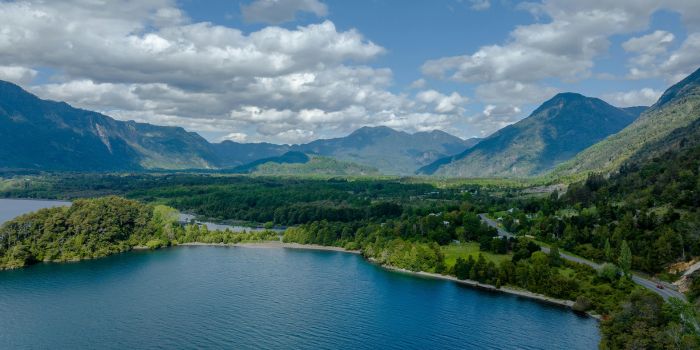
In recent years, eco-tourism has emerged as a powerful way to explore the beauty of nature while protecting it at the same time. Unlike traditional tourism, which often focuses only on entertainment and large-scale development, eco-tourism emphasizes sustainability, environmental conservation, and community involvement. Eco-tourism destinations allow travelers to experience forests, mountains, wildlife, and natural landscapes responsibly without harming the ecosystem.
As environmental awareness grows, more travelers are choosing eco-friendly travel options that contribute to nature conservation. Eco-tourism destinations play a vital role in protecting wildlife, preserving natural habitats, supporting local communities, and promoting environmental education. Understanding how eco-tourism works can help people make more responsible travel choices that benefit both nature and society.
Understanding Eco-Tourism and Its Purpose
Eco-tourism refers to responsible travel to natural areas that conserves the environment and improves the well-being of local communities. The main purpose of eco-tourism is to minimize the negative impact of tourism while promoting the protection of ecosystems and wildlife.
Eco-tourism destinations are usually located in natural environments such as forests, wildlife sanctuaries, mountains, coastal regions, or national parks. These places focus on maintaining ecological balance and ensuring that tourism activities do not disturb the natural surroundings.
The concept encourages visitors to respect wildlife, avoid pollution, reduce waste, and support local conservation efforts. Activities such as nature walks, bird watching, wildlife photography, and guided eco-tours are common in eco-tourism locations.
Protecting Natural Habitats Through Sustainable Tourism
One of the biggest advantages of eco-tourism destinations is the protection of natural habitats. Many forests, wetlands, and wildlife reserves face threats from deforestation, urban expansion, and illegal hunting. Eco-tourism helps preserve these areas by turning them into valuable conservation zones.
When natural areas attract eco-tourists, governments and conservation organizations are more likely to protect them. Tourism revenue can be used to fund conservation projects, wildlife monitoring programs, and habitat restoration efforts.
For example, national parks and protected reserves often rely on tourism income to maintain their ecosystems. By visiting these places responsibly, tourists indirectly support the protection of forests, rivers, and wildlife habitats.
Supporting Wildlife Conservation Efforts
Eco-tourism destinations play an important role in wildlife conservation. Many endangered animals live in protected areas that are supported by eco-tourism activities. The presence of eco-tourism helps raise awareness about these species and the importance of protecting them.
Tourism funds are often used to support wildlife research, anti-poaching patrols, and rescue programs. These initiatives help ensure that endangered animals are protected from illegal hunting and habitat destruction.
Visitors who experience wildlife in its natural habitat often develop a deeper appreciation for nature. This emotional connection encourages people to support conservation efforts even after they return home.
Responsible wildlife tourism also promotes ethical animal observation practices. Instead of disturbing animals or keeping them in captivity, eco-tourism focuses on observing wildlife in natural environments without causing harm.
Promoting Environmental Awareness and Education
Eco-tourism destinations also serve as powerful platforms for environmental education. Many eco-tourism programs include guided tours led by trained naturalists or conservation experts. These guides teach visitors about local ecosystems, plant species, wildlife behavior, and environmental challenges.
Educational experiences help travelers understand the delicate balance of nature and the importance of protecting biodiversity. Visitors learn how pollution, climate change, and deforestation impact ecosystems.
By gaining knowledge during eco-tours, travelers become more environmentally responsible in their daily lives. They may adopt habits such as reducing plastic use, conserving water, and supporting eco-friendly products.
Eco-tourism therefore creates a ripple effect where awareness spreads beyond the destination and influences broader environmental behavior.
Supporting Local Communities and Sustainable Livelihoods
Eco-tourism not only protects nature but also benefits local communities. Many eco-tourism destinations are located in rural or remote areas where economic opportunities may be limited. Tourism provides jobs and income for local residents.
Local people often work as tour guides, hospitality staff, wildlife trackers, or conservation workers. Small businesses such as eco-lodges, handicraft shops, and local food services also benefit from tourism.
When communities receive economic benefits from eco-tourism, they are more motivated to protect their natural surroundings. Instead of exploiting forests or wildlife for short-term profit, they focus on preserving the environment for long-term sustainability.
Community involvement is a key principle of eco-tourism because local residents understand their environment better than anyone else. Their participation ensures that tourism development respects both nature and cultural traditions.
Reducing Environmental Impact Through Responsible Travel
Another important aspect of eco-tourism destinations is their focus on reducing environmental impact. Eco-friendly accommodations and tourism practices are designed to minimize damage to the environment.
Eco-lodges often use renewable energy sources such as solar power and focus on water conservation. Waste management systems are carefully planned to reduce pollution and encourage recycling.
Tourism activities are also regulated to prevent overcrowding and habitat disturbance. For example, certain areas may limit the number of visitors allowed each day. Trails and observation points are designed to protect vegetation and prevent soil erosion.
Transportation options such as cycling, walking tours, and electric vehicles are often encouraged to reduce carbon emissions. These sustainable practices help ensure that tourism does not harm the ecosystems visitors come to enjoy.
Encouraging Global Conservation Efforts
Eco-tourism destinations contribute to global conservation efforts by raising awareness about environmental issues. Travelers who visit protected areas often become ambassadors for nature conservation.
When people witness the beauty of coral reefs, tropical forests, or wildlife reserves firsthand, they are more likely to support environmental organizations and conservation policies. Tourism also helps highlight the importance of preserving biodiversity on a global scale.
Many international conservation programs receive support from eco-tourism revenue. Partnerships between governments, non-profit organizations, and local communities strengthen conservation initiatives and create long-term protection strategies.
Eco-tourism therefore plays an important role in connecting travelers with environmental causes and inspiring collective action.
The Future of Eco-Tourism
As environmental concerns continue to grow, the demand for eco-tourism destinations is expected to increase. Travelers are becoming more conscious about their environmental footprint and are choosing destinations that prioritize sustainability.
Technology and sustainable design are also improving eco-tourism infrastructure. Green buildings, eco-friendly transportation, and digital monitoring systems are helping manage tourism activities more efficiently.
However, the success of eco-tourism depends on responsible management and visitor behavior. Over-tourism, if not controlled, can still damage fragile ecosystems. Governments, tourism operators, and travelers must work together to maintain a balance between exploration and conservation.
Conclusion
Eco-tourism destinations provide a meaningful way for people to experience nature while protecting it for future generations. By promoting sustainable travel, supporting wildlife conservation, and benefiting local communities, eco-tourism helps preserve the planet’s most valuable ecosystems.
Responsible tourism practices ensure that forests, oceans, and wildlife habitats remain safe and healthy. At the same time, travelers gain a deeper understanding of nature and the importance of environmental protection.
As more people embrace eco-friendly travel, eco-tourism destinations will continue to play a crucial role in protecting biodiversity and maintaining the natural beauty of our world. Choosing eco-tourism is not just about visiting a destination—it is about becoming part of the global effort to protect nature and wildlife.