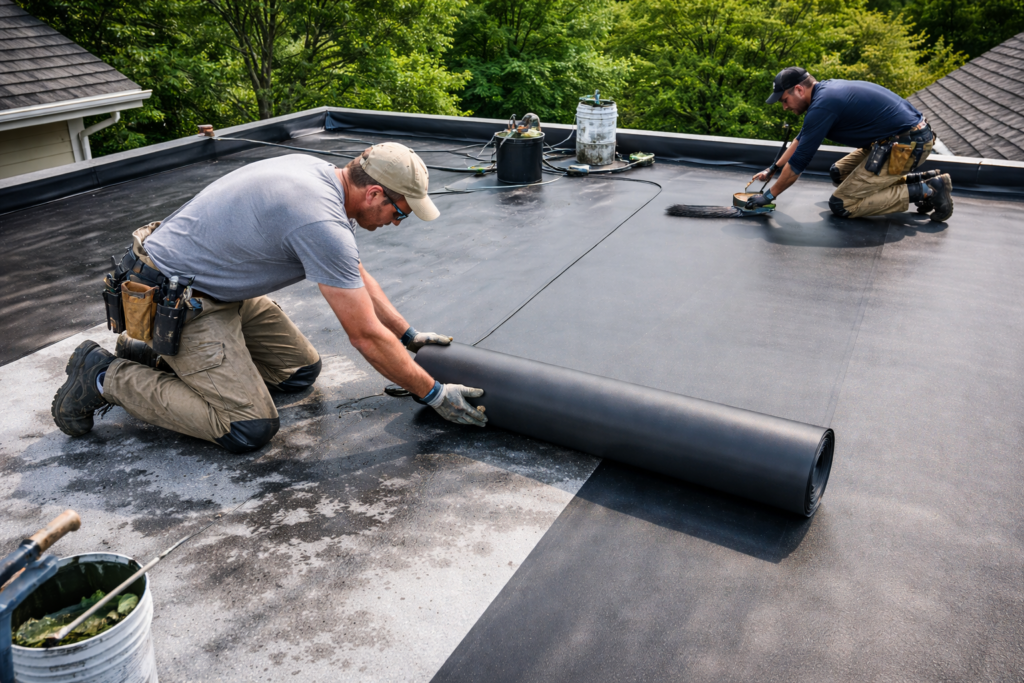
Selecting the right materials for a home in Central Texas requires a deep understanding of the unique environmental stressors found in the region. Unlike more temperate areas where a roof might simply provide shade and water shedding, a Waco roof must act as a high-performance shield against extreme UV radiation, volatile temperature swings, and high-impact storm events. The local climate effectively acts as a laboratory that tests the chemical and physical limits of every material used in residential construction. Choosing based solely on aesthetics or initial cost can lead to a structure that degrades decades earlier than expected.
Resilience Against Extreme Solar Heat
The most consistent factor influencing local roofing decisions is the unrelenting Texas sun. For several months of the year, roof surfaces can reach temperatures exceeding 150 degrees. This heat doesn’t just make the attic uncomfortable; it fundamentally changes the molecular structure of many common materials. Standard asphalt shingles, for example, rely on specialized oils to maintain their flexibility. Under constant heat, these oils evaporate, leading to a process called “thermal aging” where the shingles become brittle and eventually crack under their own weight.
To combat this, many residents are moving toward reflective technologies. “Cool roof” shingles are engineered with specialized granules that bounce a significant portion of solar radiation back into the atmosphere. This prevents the shingles from absorbing heat in the first place, which preserves the underlying asphalt and helps regulate the home’s internal temperature. For those prioritizing thermal performance, metal roofing is often a superior choice because it is naturally reflective and does not suffer from the same oil-loss issues that affect composite materials.
The Role of Thermal Mass in Temperature Regulation
Clay and concrete tiles are traditional favorites in hot climates for a specific scientific reason: thermal mass. These materials are incredibly dense and take a long time to heat up during the day. By the time the tile surface reaches its peak temperature, the sun is already setting. This delayed heat transfer keeps the home cooler during the hottest parts of the afternoon. While these materials are heavier and require a more robust structural frame, their ability to naturally insulate a home makes them a favorite for Mediterranean and Spanish-style architecture throughout the state.
Managing Rapid Expansion and Contraction
Texas is famous for its “blue northers”—sudden cold fronts that can drop temperatures by 40 degrees in a matter of hours. This creates a phenomenon known as thermal shock. When a roof that has been baking all day is suddenly hit by cold rain or a freezing wind, the materials contract rapidly. If the roofing system does not have enough “give,” the fasteners can loosen, and the materials themselves can develop stress fractures. Metal roofs are particularly susceptible to this movement, which is why high-quality installations use hidden clips that allow the panels to slide slightly as they expand and contract.
Impact Resistance in the Hail Belt
Waco sits in a region of the country frequently referred to as the “Hail Belt.” During the spring and fall, thunderstorms often produce hailstones that can range from the size of marbles to softballs. This makes impact resistance a non-negotiable feature for long-term roof performance. Standard shingles are often punctured or “bruised” by these strikes, which breaks the waterproof seal and allows moisture to reach the wooden deck.
Increasingly, property owners are investing in Class 4 impact-resistant materials. These products are tested by dropping steel balls from significant heights to ensure they can withstand the force of a major storm without cracking. While these materials carry a higher upfront cost, they are often the only way to avoid the cycle of frequent replacements that plagues this part of the state. Many people find that consulting with roofing contractors in Waco, TX allows them to select a product that qualifies for significant discounts on their annual homeowners insurance premiums, effectively paying for the upgrade over time.
Humidity and Biological Degradation
While heat is the most visible threat, the high humidity levels in Central Texas introduce a biological component to roof wear. When moisture lingers on the surface, it creates an ideal environment for algae and moss. The black streaks often seen on local roofs are caused by a specific type of cyanobacteria that feeds on the limestone filler used in many modern shingles. Over time, this biological growth eats away at the material, reducing its lifespan and destroying the home’s curb appeal.
To prevent this, manufacturers now offer shingles embedded with copper or zinc granules. These metals are naturally antimicrobial; when it rains, small amounts of the metal ions are released and wash down the roof, killing any organic growth before it can take root. For homes in shadier areas with lots of tree cover, this feature is essential for preventing the “premature rot” that occurs when moss traps moisture against the shingles for extended periods.
Wind Resistance and Aerodynamic Stability
The flat plains of Texas allow wind speeds to pick up significantly during storm cells, leading to a risk of shingle blow-offs. Materials are rated for different wind speeds, with most modern architectural shingles reaching 110 to 130 MPH ratings. However, the performance of these materials is heavily dependent on the seal strips—the adhesive that bonds one shingle to the next. In a hot climate, these strips can sometimes become “over-cured” and brittle, losing their grip.
Metal and tile roofs offer a different type of wind protection due to their weight and mechanical fastening systems. A heavy tile roof is much harder for the wind to “lift” compared to a lightweight shingle. For homeowners in particularly exposed areas, the aerodynamic profile of the roofing material is a major consideration. Choosing a low-profile material or one with reinforced edges ensures that the roof stays attached to the house even when the Texas wind is at its most violent.
Balancing Longevity with Environmental Realities
Ultimately, the choice of roofing material is a balance between the immediate budget and the expected lifespan of the home. While a standard shingle roof might last 15 to 20 years in a milder climate, that same roof might only last 10 to 12 years in the heart of Texas without proper maintenance. Investing in higher-grade materials like stone-coated steel or synthetic slate can extend that lifespan to 50 years or more, providing a “once-in-a-lifetime” solution for the property.
By understanding how the local climate interacts with different substances, you can make a choice that goes beyond simple aesthetics. A roof that is built specifically for the Texas environment will be more energy-efficient, more durable, and ultimately more cost-effective over the long run. Whether you are dealing with the scorching July sun or a sudden April hailstorm, having the right materials over your head is the best insurance policy your home can have.