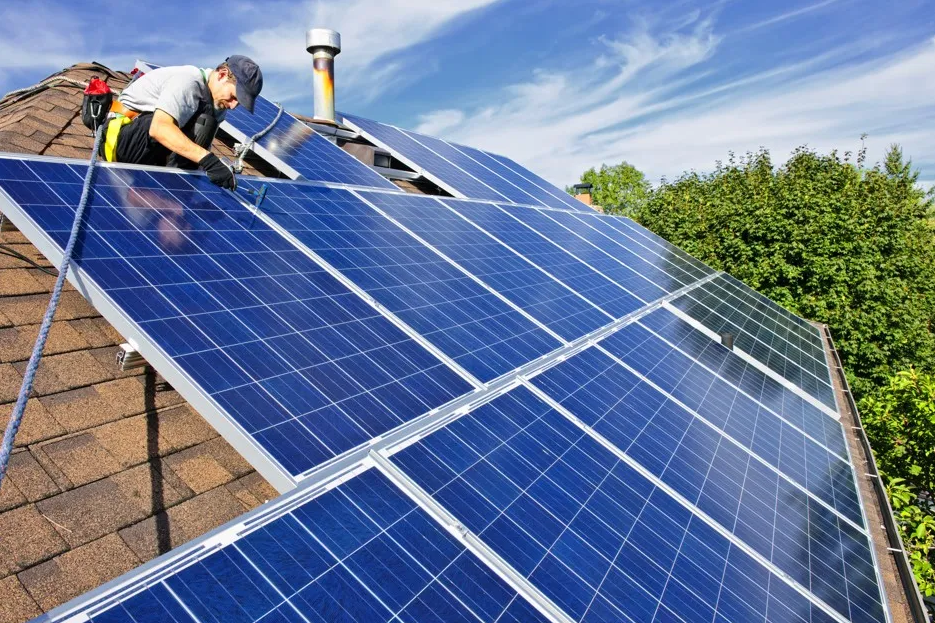
Saudi Arabia is rapidly reshaping its energy future by embracing renewable power, with solar energy leading the transition. As the Kingdom works toward sustainability, economic diversification, and energy efficiency, solar technology is becoming the foundation of long-term electricity generation. With unmatched sunlight availability and strong policy support, solar power is no longer optional it is essential.
This article explores how and why solar energy is redefining Saudi Arabia’s energy system.
1. A New Era of Energy in the Kingdom
For decades, Saudi Arabia relied heavily on fossil fuels to meet domestic energy needs. Today, national strategies prioritize clean energy to protect natural resources and support economic transformation. Solar energy fits perfectly into this vision, offering a renewable, scalable, and environmentally responsible power source.
By investing in solar infrastructure, the Kingdom is building a future-ready energy system that balances growth with sustainability.
2. Ideal Climate Conditions for Maximum Solar Output
Saudi Arabia’s geographic location provides exceptionally high solar radiation, making solar panels extremely productive throughout the year. Desert regions, industrial zones, and urban rooftops offer vast areas for solar deployment.
This natural advantage means solar systems deliver higher electricity yields, making investments more profitable and reliable over the long term.
3. Solar Power as a Solution to Growing Electricity Demand
Urbanization, population growth, and industrial expansion are driving electricity consumption to new heights. Traditional energy generation alone cannot efficiently meet these rising demands.
Solar energy enables decentralized power production, allowing businesses, communities, and households to generate their own electricity — easing grid pressure and improving energy stability.
4. Lower Operating Costs and Long-Term Savings
One of the biggest benefits of solar adoption is cost efficiency. After installation, solar systems produce electricity at virtually no operating cost, protecting users from energy price fluctuations.
With falling equipment prices and improved system efficiency, solar panels installation has become one of the smartest financial investments for both commercial and residential users.
5. Environmental Protection and Clean Energy Commitments
Solar energy plays a critical role in reducing air pollution and carbon emissions. Unlike fossil fuels, solar systems produce clean electricity without harming the environment.
By expanding the use of الواح الطاقة الشمسية, Saudi Arabia strengthens its commitment to global climate goals while safeguarding public health and ecological balance.
6. Energy Independence and Grid Reliability
Solar power reduces reliance on centralized power generation and imported energy resources. Distributed solar systems improve energy security by diversifying supply sources and strengthening grid resilience during peak demand.
In remote regions, solar systems also provide reliable electricity where traditional infrastructure is difficult or costly to deploy.
7. Economic Growth Through Renewable Energy Investment
The solar sector stimulates job creation across engineering, construction, manufacturing, maintenance, and research fields. As demand grows, it supports workforce development and innovation while attracting international partnerships and capital investment.
This renewable expansion aligns with Saudi Arabia’s long-term economic diversification strategy.
8. Wide-Ranging Applications Across All Sectors
Solar power solutions are suitable for:
-
Homes and residential communities
-
Commercial buildings and retail centers
-
Industrial facilities and warehouses
-
Farms, irrigation systems, and desalination plants
-
Remote and off-grid locations
This adaptability makes solar energy a practical solution for every industry in the Kingdom.
9. Advancing Technology and Smart Energy Systems
Innovations in battery storage, energy management software, and high-efficiency solar panels are accelerating adoption. These technologies allow users to store excess energy, optimize consumption, and maintain power continuity during grid outages.
Such advancements ensure solar energy remains reliable, intelligent, and future-ready.
Conclusion
Solar energy is no longer just a renewable alternative — it is the backbone of Saudi Arabia’s future power system. With unmatched sunlight resources, supportive policies, financial benefits, and environmental impact, solar power is reshaping how the Kingdom produces and consumes energy.
By embracing solar panels installation and expanding the use of الواح الطاقة الشمسية, Saudi Arabia is creating a cleaner, stronger, and more sustainable energy future.