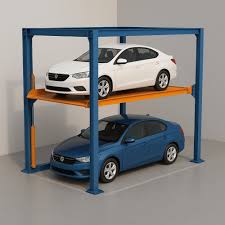
Urban areas across India are facing a serious parking crisis. Rapid vehicle growth, limited land availability, and unplanned infrastructure have made parking one of the biggest daily challenges. Residential societies, commercial complexes, malls, and offices struggle to manage space efficiently. Traditional parking layouts no longer meet demand, pushing developers and planners to explore smarter alternatives that maximize space without expanding land usage.
What Is Stack Parking and Why It Matters
Stack parking is a modern parking solution designed to accommodate more vehicles in limited space by stacking cars vertically. Instead of spreading vehicles horizontally, this system uses mechanical or hydraulic platforms to park multiple cars in the footprint of a single slot. It plays a crucial role in solving urban congestion issues while improving parking efficiency for residential and commercial properties alike.
How a Stack Parking System Works
A stack parking system operates using mechanical structures that lift and lower vehicles to create multiple parking levels. Cars are parked on platforms that move vertically or horizontally based on system design. The driver parks the car on a designated platform, and the system handles positioning. This automation reduces manual errors, improves safety, and allows optimal use of available space.
Difference Between Stack Parking and Conventional Parking
Conventional parking relies on ramps, driveways, and large open areas, which consume significant land. Stack parking, on the other hand, reduces space wastage by stacking vehicles efficiently. Traditional parking also increases fuel consumption due to maneuvering, while stack-based solutions reduce vehicle movement. This difference makes stack parking more suitable for high-density areas where land cost is extremely high.
Types of Stack Car Parking Systems
There are multiple types of stack car parking systems available today. These include two-level stack parking, semi-automatic systems, fully automatic parking systems, and puzzle parking solutions. Each type is designed for different space constraints and usage needs. Selecting the right type depends on vehicle volume, site layout, power availability, and user convenience expectations.
Two-Level Stack Parking Explained
Two-level stack parking is the most commonly used format, especially in residential buildings. It allows one car to be parked above another using a hydraulic lift. This system is cost-effective, easy to maintain, and ideal for apartments with limited basements. It does not require complex automation, making it popular for small-scale projects and housing societies.
Semi-Automatic Stack Parking Systems
Semi-automatic systems require limited user involvement, such as placing the vehicle on a pallet. The system then manages vertical or horizontal movement. These setups balance affordability and efficiency. They are commonly installed in office buildings, hospitals, and mixed-use developments where moderate vehicle turnover is expected and complete automation may not be necessary.
Fully Automatic Stack Parking Solutions
Fully automatic stack parking systems eliminate human intervention entirely. Drivers leave their vehicles at an entry bay, and the system parks the car using sensors, lifts, and conveyors. These systems offer high security, minimal space usage, and zero emissions from internal driving. They are ideal for premium commercial projects and smart city developments.
Benefits of Stack Parking in Residential Projects
Residential complexes benefit significantly from stack parking solutions. They allow builders to provide more parking slots without expanding basements. This improves compliance with municipal parking norms and enhances property value. Residents enjoy organized parking, reduced conflicts, and safer vehicle storage. Stack systems also help future-proof buildings against increasing vehicle ownership trends.
Advantages for Commercial and Office Spaces
Commercial buildings face daily parking pressure from employees and visitors. Stack parking systems help manage high vehicle volumes efficiently. They reduce traffic congestion within premises and create a smoother entry-exit flow. Offices also benefit from better space utilization, allowing more area for workspaces rather than parking ramps and driveways.
Role of Stack Parking in Shopping Malls
Shopping malls depend heavily on customer convenience. Poor parking can directly impact footfall. Stack car parking systems allow malls to accommodate more vehicles even on smaller plots. Automated systems also reduce waiting time and improve the overall visitor experience. Efficient parking management often leads to longer visits and increased retail spending.
Stack Parking System and Space Optimization
Space optimization is the biggest advantage of stack parking. These systems can increase parking capacity by two to four times within the same footprint. This is especially important in metro cities where land prices are extremely high. By reducing the need for wide driveways and ramps, developers can allocate more space for usable or green areas.
Safety Features in Modern Stack Parking
Modern stack parking systems are designed with multiple safety features. These include anti-fall locks, emergency stop buttons, overload sensors, and fire-resistant materials. Automated systems also minimize human error, reducing accident risks. Regular maintenance ensures long-term reliability, making these systems safe for daily use in both note: residential and commercial environments.
Environmental Benefits of Stack Car Parking
Stack parking contributes to environmental sustainability. Reduced vehicle movement inside parking areas lowers fuel consumption and emissions. Automated systems prevent idling and unnecessary driving. Additionally, optimized land use helps preserve open spaces. Some advanced systems also support integration with electric vehicle charging, promoting cleaner mobility solutions in urban settings.
Stack Parking System Cost Considerations
The cost of a stack parking system depends on type, capacity, automation level, and site conditions. Two-level systems are relatively affordable, while fully automated solutions require higher investment. However, long-term benefits like increased parking capacity, reduced land costs, and improved property value often outweigh the initial expense, making it a smart infrastructure investment.
Maintenance and Lifespan of Stack Parking
Proper maintenance is essential for the smooth operation of stack parking systems. Regular inspections, lubrication, and safety checks extend system lifespan. Most quality systems are designed to last decades with minimal downtime. Compared to conventional parking structures, stack systems require less structural repair, as they rely more on mechanical components than concrete ramps.
Stack Parking and Government Regulations
Many Indian cities now encourage or mandate efficient parking solutions due to space constraints. Stack parking systems help builders meet parking norms without violating building bylaws. Municipal authorities increasingly recognize automated parking as a sustainable solution. Compliance with safety standards and certified installation ensures regulatory approval and smoother project clearances.
Ideal Locations for Stack Parking Installation
Stack parking works best in areas with high vehicle density and limited land. These include apartment basements, commercial hubs, hospitals, hotels, and transit-oriented developments. Even older buildings can retrofit stack systems to improve parking capacity. Choosing the right location ensures maximum utilization and better return on investment for property owners.
Common Myths About Stack Parking Systems
Many people believe stack parking is complicated or unsafe. In reality, modern systems are user-friendly and highly secure. Another myth is high maintenance cost, which is often lower than traditional parking upkeep. Educating users and proper signage help overcome hesitation, making stack parking widely accepted once people experience its convenience.
Future of Stack Parking in India
With rapid urbanization and rising vehicle ownership, stack parking will become a necessity rather than a choice. Smart cities, mixed-use developments, and green buildings increasingly rely on automated parking solutions. Technological advancements will make systems faster, more affordable, and energy-efficient, shaping the future of urban mobility infrastructure across India.
Stack parking is a practical answer to modern parking challenges. It saves space, improves efficiency, enhances safety, and supports sustainable urban development. Whether for residential or commercial use, stack car parking systems offer long-term value. As cities continue to grow vertically, intelligent parking solutions will play a vital role in shaping organized, livable urban spaces.