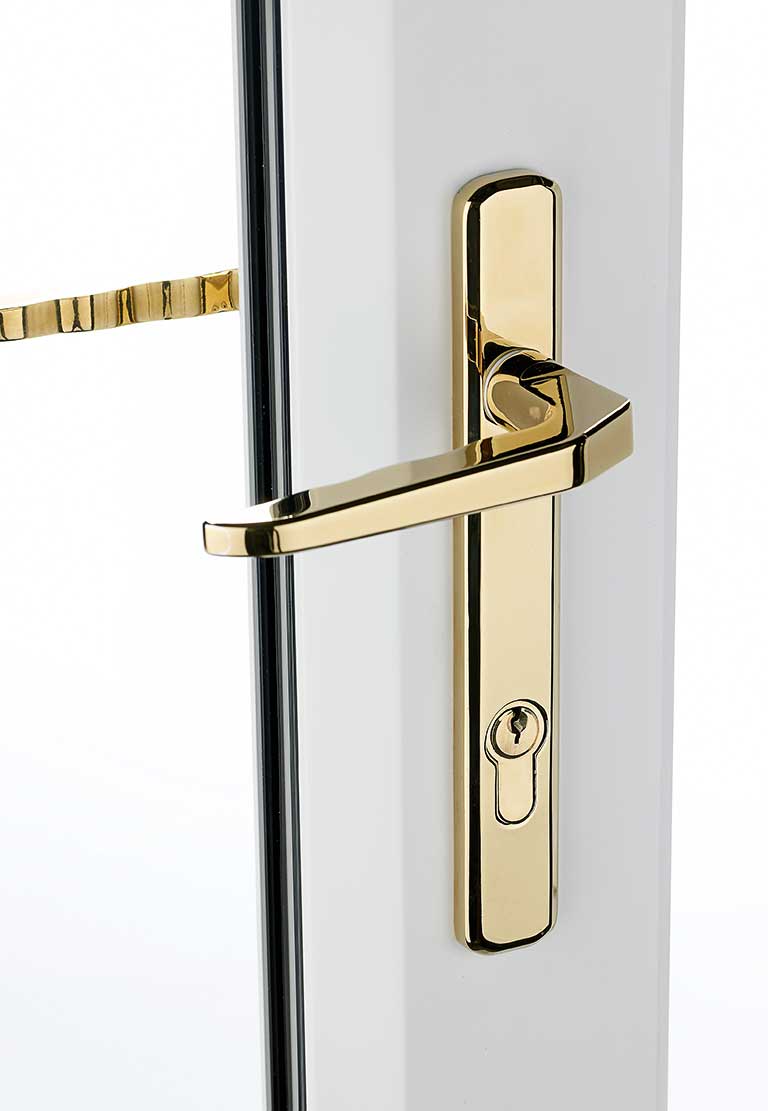
uPVC doors are a popular choice for modern homes because they are durable, weather-resistant, and low-maintenance. However, one small component that often gets overlooked is the uPVC door knob. Despite its size, your door knob plays a crucial role in daily use, security, and overall appearance.
Regular cleaning and proper maintenance not only keep it looking new but also extend its lifespan and ensure smooth operation.
We’ll explore why maintenance matters, how to clean your doorknob correctly, and practical tips to keep it functioning perfectly for years.
Why Proper Maintenance Is Important
Your uPVC door knob is one of the most frequently touched surfaces in your home. Every day, it accumulates dirt, oils from hands, dust, and sometimes moisture. Over time, this buildup can:
- Dull the finish
- Causes discoloration
- Lead to stiffness or sticking
- Encourage corrosion in internal metal components
- Reduce the overall lifespan of the hardware
Regular care prevents these problems and ensures your door knob continues to operate smoothly and safely.
Understanding Your uPVC Door Knob Material
Before cleaning, it’s important to understand what your door knob is made of. Most door knobs consist of:
- A plastic (uPVC) outer surface
- Internal metal components (such as screws and the spindle)
- Sometimes a chrome, brass, or stainless steel finish
Each part requires slightly different care, especially if your knob has a metallic coating. Using harsh chemicals can damage the finish or weaken internal parts.
How Often Should You Clean It?
For general household use:
- Light cleaning: Once a week
- Deep cleaning: Once every 1–2 months
- Lubrication of moving parts: Every 6 months
If you live in a coastal area or a high-humidity environment, you may need to clean and inspect it more frequently due to salt and moisture exposure.
Tools and Materials You’ll Need
Before you start, gather these simple items:
- Warm water
- Mild dish soap
- Soft microfiber cloth
- Soft toothbrush or small brush
- Dry towel
- Silicone-based lubricant (for moving parts)
- White vinegar (optional for tougher stains)
Avoid abrasive pads, bleach, ammonia-based cleaners, or strong solvents, as they can damage uPVC and metal finishes.
Step-by-Step Cleaning Guide
1. Wipe Away Surface Dust
Start by wiping the door knob with a dry microfiber cloth. This removes loose dust and debris and prevents scratching during deeper cleaning.
2. Prepare a Gentle Cleaning Solution
Mix warm water with a few drops of mild dish soap. Dip your cloth into the solution and wring it out so it’s damp, not soaking wet. Excess water can seep into internal components and cause corrosion.
3. Clean the Knob Surface
Gently wipe the entire knob, including:
- The front and back surfaces
- The base plate or rose
- Around the edges and seams
Use circular motions to lift dirt and oils.
4. Use a Soft Brush for Crevices
Dirt often accumulates around seams and screw areas. Use a soft toothbrush dipped in the soapy solution to clean these hard-to-reach spots.
Be gentle—scrubbing too hard may scratch the finish.
5. Rinse and Dry Thoroughly
Wipe the knob again with a clean, damp cloth (just water) to remove soap residue. Then immediately dry it completely with a soft towel.
Leaving moisture behind can cause rust on internal screws and hardware.
Removing Stubborn Stains
If your uPVC door knob has stains or discoloration:
Mix equal parts white vinegar and warm water.
Apply lightly with a cloth.
Let it sit for 2–3 minutes.
Wipe clean and dry thoroughly.
Do not use undiluted vinegar or harsh chemical cleaners, as they can damage protective coatings.
Lubricating the Internal Mechanism
Cleaning the outside is only part of maintenance. The internal mechanism also needs attention.
When to Lubricate
If the knob feels stiff
If it squeaks when turned
Every 6 months as preventive care
How to Lubricate
Locate the spindle or latch mechanism.
Apply a small amount of silicone-based lubricant.
Turn the knob several times to distribute the lubricant evenly.
Avoid oil-based lubricants like WD-40 for long-term use. They may attract dust and cause buildup over time.
Checking and Tightening Screws
Over time, regular use can loosen screws. A loose knob can damage the door or internal mechanism.
Inspect screws every few months.
Tighten gently with a screwdriver if needed.
Avoid overtightening, as it can strip threads or crack plastic components.
This simple step prevents costly repairs later.
Protecting the Finish
To keep your uPVC door knob looking new:
Avoid hanging heavy items from it.
Clean handprints regularly.
Keep sharp objects away from the surface.
Avoid using colored cloths that may transfer dye.
If your knob has a metallic finish, polishing with a soft dry cloth occasionally can restore shine.
Preventing Common Problems
1. Stiff Operation
Usually caused by dirt buildup or lack of lubrication. Regular cleaning and lubrication prevent this issue.
2. Rusting Internal Parts
Moisture exposure is the main cause. Always dry thoroughly after cleaning and avoid excess water.
3. Discoloration
UV exposure can fade some finishes over time. While you cannot completely prevent this, regular cleaning slows the process.
4. Loose Knob
Routine screw checks help avoid wobbling or internal damage.
Seasonal Maintenance Tips
Winter
Cold temperatures can make mechanisms stiff. Lubricate before winter begins to ensure smooth operation.
Summer
High heat and humidity can cause expansion. Check screws and ensure no moisture is trapped.
Rainy Season
Inspect for water ingress and dry any damp areas immediately.
When to Replace Instead of Repair
Even with proper maintenance, there comes a time when replacement is necessary. Signs include:
- Persistent stiffness after lubrication
- Cracks in the uPVC surface
- Severe corrosion
- Frequent loosening despite tightening
If your doorknob shows these signs, replacing it is often more cost-effective than repeated repairs.
Professional Maintenance vs DIY
Most uPVC knob maintenance can be done yourself with minimal tools. However, if:
- The internal mechanism is damaged
- The latch system fails
- You notice alignment issues
It may be wise to consult a professional door technician.
Final Thoughts
Maintaining and cleaning your uPVC door knob properly is a simple yet important part of home care. With just a few basic tools and a small time investment, you can:
- Extend the lifespan of your door hardware
- Maintain a clean and polished appearance
- Ensure smooth and safe operation
- Prevent costly repairs
Consistency is key. Light weekly cleaning, periodic deep maintenance, and occasional lubrication will keep your door knob functioning like new for years.