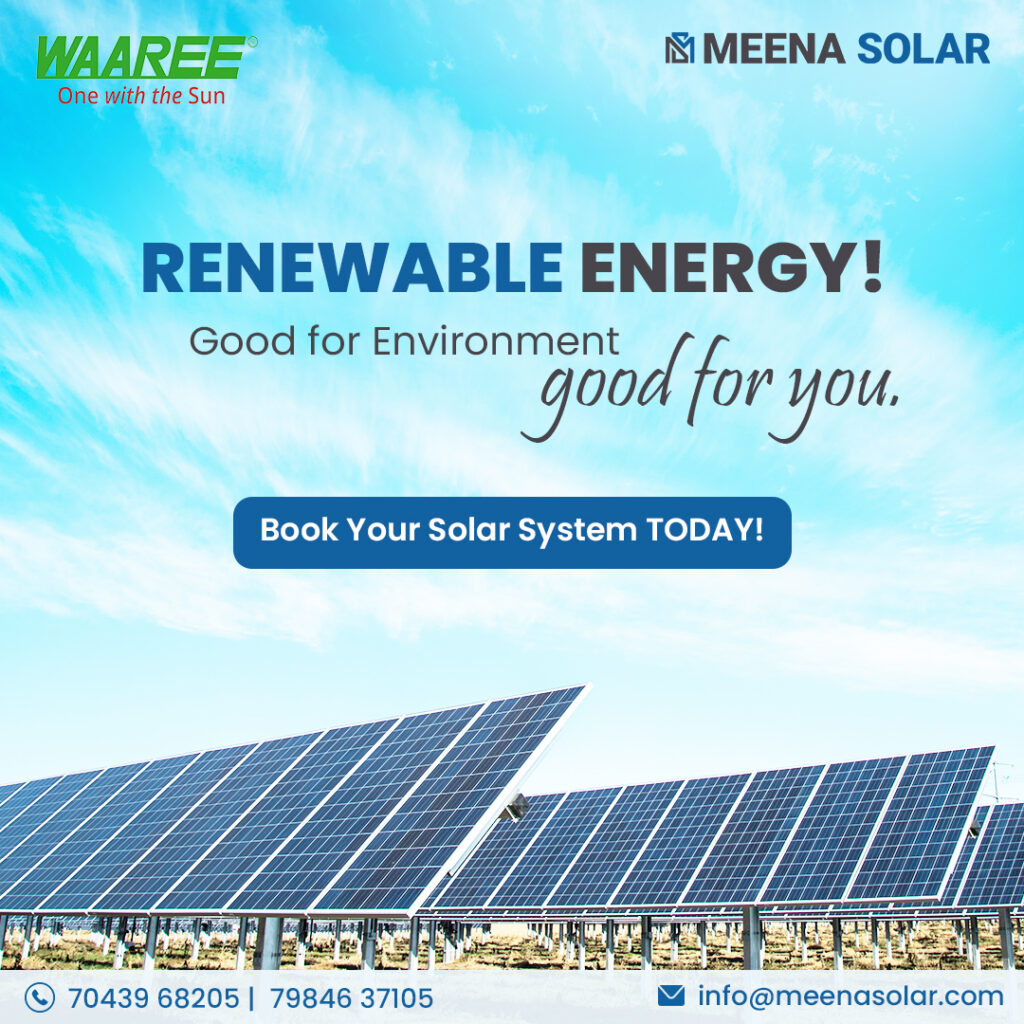
Importance of Renewable Energy Systems for a Green Future | Meena Solar
The world is witnessing a rapid shift toward cleaner and more efficient energy sources. As populations grow and energy demands rise, traditional fossil fuels are proving insufficient, expensive, and harmful to the environment. This is where renewable energy systems step in as a powerful solution. They offer sustainable power using natural sources such as solar, wind, and hydropower sources that are abundant, eco-friendly, and capable of supporting global energy needs for generations. For companies like Meena Solar, these systems are more than just technology they are a commitment toward building a smarter, greener planet.
In this detailed blog, we explore why renewable energy is vital, how it benefits individuals and industries, and why it stands as a core pillar of a sustainable future.
What Are Renewable Energy Systems?
Renewable energy systems are technologies that produce electricity using natural sources that can restore themselves quickly. These energy sources do not run out and do not cause major harm to the environment. Unlike fossil fuels, which create pollution and take millions of years to form, renewable sources are clean, widely available, and sustainable.
Common types of renewable energy systems include:
- Solar Energy: Uses sunlight collected through solar panels to create electricity or heat.
- Wind Energy: Generates power when wind rotates large turbines.
- Hydropower: Produces electricity by using the force of moving or falling water.
- Biomass Energy: Converts organic waste materials into usable energy or fuel.
- Geothermal Energy: Uses the Earth’s natural underground heat to generate power.
All these renewable systems help reduce pollution, improve energy stability, and support a healthier environment for the future.
Why Renewable Energy Matters More Than Ever
-
It Reduces Environmental Pollution
Traditional energy sources such as coal, oil, and natural gas release harmful pollutants into the air, water, and soil. These pollutants contribute to global warming, acid rain, and respiratory health issues. Renewable energy systems, on the other hand, generate power without releasing harmful emissions.
Solar panels, for example, convert sunlight directly into electricity zero smoke, zero pollution. Wind turbines generate energy using nothing but moving air. This significant reduction in pollution is a critical step toward building a healthier environment.
-
It Helps Lower Carbon Emissions
Fossil fuels are the biggest contributors to carbon dioxide (CO₂) in the atmosphere. When these fuels are burned, they release gases that trap heat and increase global temperatures. Renewable energy systems help lower this carbon output because they generate power without burning coal, oil, or gas.
When businesses and countries shift to clean energy sources like solar and wind, they directly support climate protection and global efforts to reduce emissions.
Choosing renewable energy isn’t only about saving money it’s also an important step toward safeguarding the planet.
-
It Offers Long-Term Energy Savings
One of the biggest advantages of renewable energy, especially solar, is the potential for long-term savings. While the initial installation cost may seem high, the operational cost is minimal. Once installed, solar panels can produce free electricity for 25 years or more.
Benefits include:
- Significant reduction in monthly electricity bills
- Low maintenance costs
- Protection from rising energy prices
- Increased property value
For homes and businesses, this shift brings financial stability and predictable long-term savings.
-
It Reduces Dependence on Fossil Fuels
Fossil fuels are finite. They are also affected by global politics, price fluctuations, and supply chain disruptions. This makes fossil-based energy expensive and unpredictable.
Renewable energy, by contrast:
- Is available in unlimited quantities
- Can be produced locally
- Offers stable, predictable energy costs
- Reduces national dependence on imports
Countries that adopt renewable technologies gain energy independence and security, ensuring reliable power for citizens and industries.
-
It Supports Eco-Friendly Growth and Community Development
Renewable energy systems create thousands of green jobs in installation, manufacturing, maintenance, and research. They also inspire new business opportunities in technology development and sustainable practices.
Communities that adopt renewable energy benefit from:
- Job creation
- Cleaner environments
- Increased local investment
- Improved public health
- Enhanced economic stability
This promotes overall community well-being and long-term development.
6. Boosts Innovation and Modern Technology
The renewable energy industry is expanding rapidly, and with it comes constant technological improvement. Ongoing research has helped modern systems become:
- More productive
- More cost-effective
- More intelligent
- Simpler to install
- Stronger and long-lasting
Today’s solar panels can generate far more electricity from the same amount of sunlight. Wind turbines are designed with advanced blades that capture wind more efficiently. Along with this, smart inverters, improved battery storage, and AI-based monitoring tools are making clean energy systems highly advanced and user-friendly.
These improvements benefit everyone from homeowners who want lower electricity costs to businesses that aim to operate more sustainably.
Types of Renewable Energy Systems Used Today
✔ Solar Energy Systems
Solar power is the most widely used renewable source, especially in India. Solar panels are easy to install, cost-effective, and suitable for rooftops, open fields, industries, and farms.
✔ Wind Energy Systems
Ideal for coastal areas and regions with strong wind patterns, wind turbines generate large amounts of clean power.
✔ Hydropower Systems
Feasible near rivers and dams, hydropower is one of the oldest and most reliable renewable sources.
✔ Biomass & Biofuel Systems
Agricultural and organic waste are converted into energy, supporting rural communities and waste management.
✔ Geothermal Systems
Though less common in India, geothermal energy taps into Earth’s natural heat for power and heating.
Why Choose Meena Solar for Clean Energy Solutions?
Meena Solar is committed to delivering high-quality renewable energy systems designed for long-term performance. With modern technology, expert installation, and tailor-made energy solutions, Meena Solar helps customers adopt clean energy smoothly and affordably.
What Makes Meena Solar a Trusted Choice?
- High-efficiency solar panels
- Professional installation
- Durable and weather-resistant systems
- Low maintenance requirements
- Best pricing and long-term warranty
- Solutions for homes, businesses, and industries
Our mission is to make renewable energy accessible to everyone and support India’s transition to a greener future.
Conclusion Renewable Energy Systems
Renewable energy systems are essential for creating a cleaner, safer, and more sustainable world. As traditional fossil fuels become more expensive and harmful to the environment, renewable sources like solar, wind, hydropower, biomass, and geothermal energy offer a practical and eco-friendly alternative. These systems reduce pollution, lower carbon emissions, and support long-term energy stability for homes, businesses, and industries.
By adopting renewable energy, communities can enjoy healthier environments, long-term savings, and improved energy independence. Companies like Meena Solar help make this transition easier by promoting reliable and efficient clean energy solutions. As technology continues to advance, renewable energy will remain a key foundation for a greener future, ensuring a better planet for generations to come.