What Are Key Considerations When Selecting Cabinets for Small Spaces?

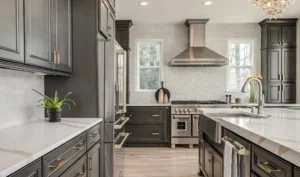
Selecting cabinets for small spaces requires careful planning, clear priorities, and smart design decisions that support both function and appearance. Limited square footage demands storage solutions that reduce clutter while maintaining a clean and balanced look, and options such as Oxford mist cabinets demonstrate how soft tones and efficient layouts can visually expand compact rooms. Cabinet choices influence daily movement, accessibility, and long-term satisfaction, so every detail from size to finish matters. A structured approach helps avoid common mistakes, supports practical storage needs, and ensures the space remains comfortable and visually appealing without feeling crowded.
Assessing Space and Layout
Accurate evaluation of available space forms the foundation of a successful cabinet selection process, as measurements determine what styles and configurations will work without restricting movement. Wall height, floor area, and clearance around doors and appliances must align with cabinet depth and opening direction to maintain ease of use. Layout planning also involves understanding how people move through the room and how frequently cabinets are accessed, ensuring that storage areas remain practical rather than obstructive.
- Measure width, height, and depth with precision to avoid installation issues
- Identify fixed elements such as windows, plumbing, or electrical outlets
- Focus on vertical storage opportunities to reduce floor-level congestion
- Maintain clear pathways for safe and comfortable movement
Choosing the Right Materials and Finish
Material selection directly affects durability, maintenance, and visual balance in small spaces, making it essential to match cabinet construction with daily use. Lighter finishes reflect more light and contribute to a sense of openness, while smooth surfaces simplify cleaning in tight areas. Material quality also impacts longevity, as cabinets in compact spaces often experience frequent use due to limited storage alternatives.
- Select materials that resist moisture, scratches, and daily wear
- Prefer lighter or neutral finishes to reduce visual heaviness
- Choose smooth textures that simplify maintenance
- Use consistent finishes to avoid visual fragmentation
Prioritizing Storage Solutions
Efficient storage planning transforms small spaces into highly functional environments by ensuring every cabinet serves a clear purpose. Adjustable shelves, pull-out drawers, and corner solutions improve accessibility while preventing wasted space. Storage design should align with daily habits, placing frequently used items within easy reach and reserving higher or deeper cabinets for occasional use. Thoughtful internal organization reduces clutter, supports workflow, and keeps surfaces clear, contributing to a more open and organized appearance.
Considering Cabinet Hardware and Accessories
Hardware plays a practical role in small spaces by influencing ease of access, safety, and overall usability. Slim handles, integrated pulls, and soft-close mechanisms prevent accidental impacts and reduce noise in confined areas. Accessories such as drawer dividers and pull-down racks support organization without increasing cabinet size. Selecting hardware that complements cabinet style while remaining functional ensures the space feels cohesive rather than overcrowded.
Balancing Functionality and Aesthetics
A balanced approach to cabinet design blends storage efficiency with visual harmony, preventing small spaces from appearing cramped or cluttered. Clean lines, consistent colors, and minimal ornamentation help maintain a streamlined look, while selective use of open shelving adds depth without overwhelming the room. Cabinet style should align with the overall design theme to create continuity, allowing the space to feel intentional rather than constrained by limitations.
Budgeting and Long-Term Value
Budget planning ensures cabinet selections remain cost-effective while delivering durability and lasting appeal. Quality materials and reliable hardware reduce long-term repair or replacement costs, making them a practical investment even within modest budgets. Value also comes from adaptability, as cabinets designed for flexibility can accommodate changing storage needs over time. Thoughtful budgeting prioritizes performance and longevity rather than short-term savings.
Conclusion
Successful cabinet selection for small spaces depends on careful measurement, smart storage planning, material awareness, and balanced design choices. Each step contributes to a layout that supports daily use while maintaining a clean and open appearance. Strategic decisions allow compact rooms to function efficiently without sacrificing comfort or style, proving that limited space can still deliver practical and visually pleasing results.
FAQs
What cabinet styles work best for small spaces?
Flat-panel and minimalist cabinet styles work well because they reduce visual clutter and maintain a streamlined appearance that suits compact layouts.
How can cabinets make a small room feel larger?
Light finishes, vertical storage, and consistent design elements reflect light and draw the eye upward, creating a sense of openness.
Are custom cabinets better than stock options for small spaces?
Custom cabinets often provide better space utilization because they can be tailored to exact dimensions and specific storage needs.
What mistakes should be avoided when choosing cabinets for small spaces?
Overly deep cabinets, dark finishes, and excessive hardware details can make small spaces feel crowded and reduce usability.