Melasma and Sun Care: Prevention and Protection
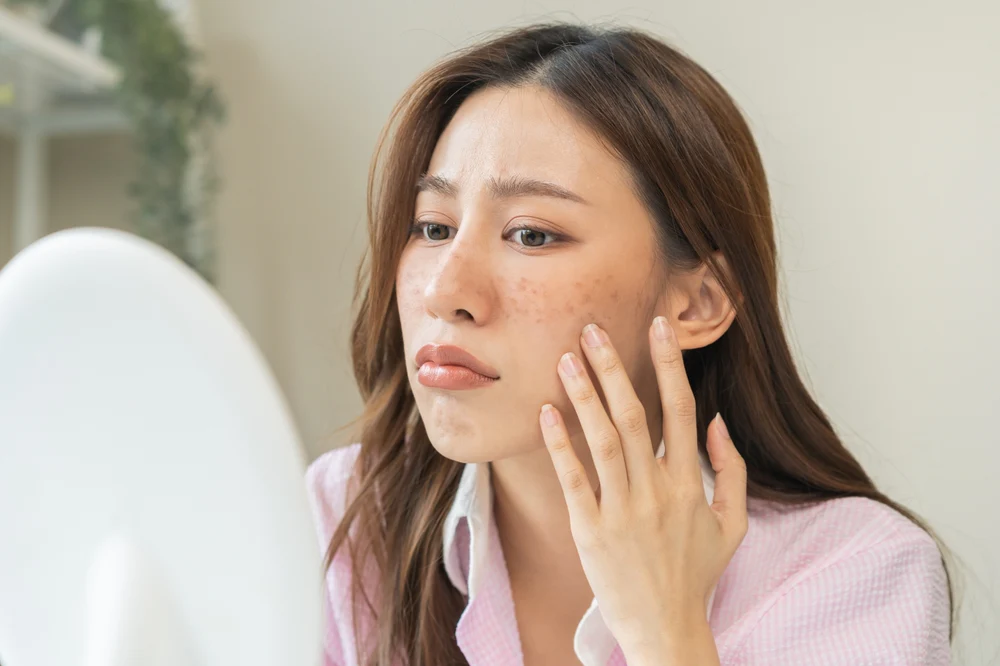
Melasma is a common skin condition that causes brown or grayish patches, most often on the cheeks, forehead, nose, and upper lip. It occurs when skin cells produce excess pigment (melanin), usually triggered by sun exposure, hormonal influences, or heat. While melasma is harmless medically, it can be persistent and cosmetically distressing. Among all contributing factors, sunlight remains the most powerful trigger. Understanding how sun exposure affects melasma and learning practical protection strategies are essential for prevention and long-term control.
Why Sun Exposure Worsens Melasma
Sunlight contains ultraviolet (UV) radiation and visible light, both of which stimulate pigment-producing cells called melanocytes. In people prone to melasma, these cells are highly sensitive, which is why melasma-sun-protection is essential. Even small amounts of sunlight can activate pigment production and darken existing patches.
Three forms of light influence melasma:
- UVA rays penetrate deeply and trigger pigment activity
- UVB rays stimulate melanin production and tanning
- Visible light (especially blue light) also worsens pigmentation
This means melasma can worsen not only during outdoor exposure but also through window light or prolonged daylight exposure.
Daily Sun Protection: The Foundation of Melasma Care
Consistent sun protection is the most effective way to prevent melasma from worsening and to support treatment results. Dermatology experts emphasize that protection must be daily and year-round, not only during sunny seasons.
Key elements of effective sun care include:
Broad-spectrum sunscreen
Use sunscreen that protects against both UVA and UVB rays with SPF 30 or higher. For melasma-prone skin, tinted mineral sunscreens containing iron oxides are especially helpful because they also block visible light.
Adequate application
Most adults need about a teaspoon of sunscreen for the face and neck. Applying too little significantly reduces protection.
Regular reapplication
Sunscreen should be reapplied every two hours outdoors and after sweating or washing the face.
Morning routine consistency
Even brief morning sun exposure during commuting or errands can activate pigment, making daily application essential.
The Role of Visible Light Protection
Research shows that visible light contributes to persistent pigmentation disorders like melasma. Traditional sunscreens may not fully block this spectrum. Tinted sunscreens containing iron oxides provide added defense by filtering visible light wavelengths that stimulate melanocytes.
This is why dermatologists often recommend tinted mineral formulas for individuals with melasma, especially in bright climates or high sun exposure environments.
Protective Clothing and Physical Barriers
Sun protection for melasma extends beyond sunscreen. Physical barriers reduce cumulative light exposure throughout the day.
Helpful protective measures include:
- Wide-brimmed hats that shade the face
- Sunglasses that protect the eye and cheek area
- Umbrellas during peak sunlight hours
- Seeking shade whenever possible
These strategies significantly lower pigment stimulation, particularly during midday when UV intensity is highest.
Heat and Melasma: An Overlooked Trigger
Heat alone—without direct sun—can stimulate melanocytes and worsen melasma. This explains why pigmentation may deepen during hot weather, cooking near heat sources, or intense exercise.
Heat management strategies include:
- Avoiding prolonged high-temperature environments
- Cooling the skin after outdoor exposure
- Choosing breathable fabrics
- Exercising in cooler times of day
Reducing heat exposure complements sun protection and helps maintain pigment stability.
Skin Care Products That Support Sun Protection
Certain topical ingredients enhance the effectiveness of sun care in melasma-prone skin.
Antioxidants
Vitamin C, vitamin E, and ferulic acid neutralize free radicals generated by UV exposure, reducing pigment signaling.
Niacinamide
This ingredient helps regulate pigment transfer and supports skin barrier function.
Gentle exfoliation
Mild exfoliating acids promote even skin tone and improve sunscreen penetration when used appropriately.
These products do not replace sunscreen but strengthen overall photoprotection when used consistently.
Lifestyle Habits That Reduce Melasma Triggers
Sun care works best when combined with supportive daily habits.
Consistent skin care routine
Regular cleansing and protection maintain skin barrier health and reduce sensitivity.
Hormonal awareness
Hormonal changes from pregnancy, contraception, or endocrine conditions may influence melasma. Medical guidance helps manage these factors.
Medication review
Some medications increase photosensitivity. Discussing these with healthcare providers ensures appropriate protection.
Balanced nutrition
Antioxidant-rich foods support skin resilience against environmental stressors.
These holistic measures help stabilize pigment activity over time.
Common Mistakes in Melasma Sun Protection
Even motivated individuals may unknowingly undermine their sun care efforts. Frequent mistakes include:
- Applying sunscreen only outdoors
- Skipping protection on cloudy days
- Using insufficient sunscreen quantity
- Not reapplying during the day
- Ignoring visible light exposure
- Relying solely on makeup without SPF
Correcting these habits often leads to noticeable improvement in melasma control.
Seasonal Considerations
Melasma often worsens in summer due to stronger UV and longer daylight exposure. However, winter protection remains important because UVA and visible light persist year-round.
Snow, sand, and water also reflect UV rays, increasing exposure. Consistent daily protection prevents seasonal flare-ups and maintains treatment progress.
When to Seek Professional Care
While sun protection is essential, persistent or severe melasma may benefit from dermatologic treatment. Professional options include:
- Prescription lightening agents
- Chemical peels
- Laser or light therapies
- Medical-grade pigment regulators
These treatments are most effective when combined with strict sun protection, which prevents recurrence.
Long-Term Prevention Mindset
Melasma tends to recur if sun protection lapses. Therefore, sun care should be viewed as a lifelong preventive habit rather than a temporary measure. People who maintain daily protection typically experience:
- Fewer flare-ups
- Lighter pigmentation
- Better treatment response
- Slower recurrence
Consistency rather than intensity is the key to lasting control.
Final Thoughts
Melasma is strongly influenced by sunlight, visible light, and heat exposure, making sun protection the cornerstone of prevention and management. Health and Wellness Solutions emphasize that daily use of broad-spectrum sunscreen, visible light–blocking tinted formulas, protective clothing, and heat avoidance significantly reduces pigment activation. Supportive skin care and lifestyle habits further enhance results.
With consistent sun care and awareness of triggers, individuals with melasma can prevent worsening, maintain clearer skin tone, and improve treatment outcomes over time. Long-term protection is not only the most effective strategy it is also the safest and most sustainable path to managing melasma successfully.