Morse code has been around for a long time, yet it continues to show up in modern content. You might see it in movies, online videos, educational clips, or even hidden in visual effects. The challenge is that most people cannot quickly read dots and dashes, especially when they appear in motion. That is where a morse code translator video becomes useful.
Instead of pausing a clip and manually counting flashes or signals, a video translator can analyze the entire sequence and convert it into readable text. When combined with a translator morse code tool, you can both decode and create Morse messages without needing deep technical knowledge.
This article explains how Morse code works in video form, how translation tools operate, and how you can use them effectively.
A Simple Explanation of Morse Code
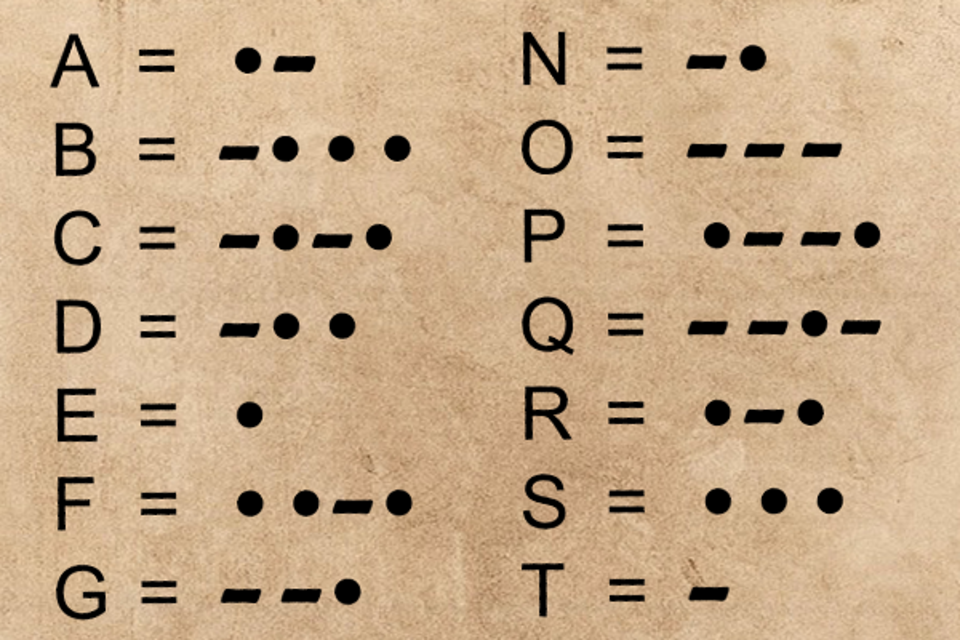
Morse code is a system that represents letters and numbers using short and long signals. Short signals are dots, and long signals are dashes. These signals are arranged in patterns to form characters.
The system was developed in the 19th century by Samuel Morse with contributions from Alfred Vail. It was widely used in telegraph communication and later adapted for radio, light, and other signaling methods.
Some basic examples include:
- A is dot dash
- B is dash dot dot dot
- S is dot dot dot
- O is dash dash dash
Because Morse code relies on timing and spacing, it can be challenging to decode without practice.
What Is a Morse Code Translator Video
A morse code translator video is a tool that analyzes video content to detect Morse code signals and convert them into text. These signals often appear as blinking lights, flashing objects, or visual patterns that change over time.
Instead of manually interpreting each frame, the translator processes the video automatically.
It typically works by:
- Breaking the video into frames
- Detecting changes in brightness or motion
- Measuring how long each signal lasts
- Identifying dots and dashes
- Converting patterns into readable text
This makes it much easier to decode Morse messages embedded in video clips.
What Is a Translator Morse Code Tool
A translator morse code tool is designed to convert text into Morse code and Morse code back into text. It is one of the most common tools used by beginners and professionals alike.
These tools are useful for:
- Learning Morse code basics
- Creating encoded messages
- Verifying decoded signals
- Practicing translation skills
When used together with a morse code translator video, it allows users to both decode and generate Morse content.
Why Morse Code Appears in Videos
Morse code continues to appear in modern media for several reasons. It adds an element of mystery and creativity, especially in visual storytelling.
Common uses include:
- Hidden messages in films or videos
- Puzzle challenges in games
- Educational demonstrations
- Creative digital content
In many cases, viewers may not even notice the Morse signals at first. A morse code translator video helps uncover these hidden details.
How Video Translators Detect Morse Signals
Understanding how these tools work can help you use them more effectively.
A morse code translator video analyzes visual data frame by frame. It looks for patterns where light or objects change in a consistent rhythm.
The system then:
- Measures the duration of each visible signal
- Distinguishes between short and long flashes
- Identifies pauses between signals
- Groups signals into letters and words
This process relies heavily on timing accuracy. Even small variations can affect results.
Practical Uses of Morse Code Video Translators
You do not need to be a professional to use these tools. They are useful in many everyday scenarios.
Examples include:
- Decoding hidden messages in online videos
- Solving puzzle games and escape room challenges
- Studying Morse code demonstrations
- Analyzing recorded signal footage
- Learning Morse code visually
For students and hobbyists, these tools make learning more interactive and engaging.
Benefits of Using Video Translation Tools
Manually decoding Morse code from video can be time consuming. Translators simplify the process significantly.
Key advantages include:
- Faster decoding of visual signals
- Reduced chance of human error
- Automatic pattern recognition
- Clear and readable output
- Easy sharing of results
These benefits make Morse code more accessible to beginners.
Tips for Better Translation Results
The quality of the video plays a major role in translation accuracy. Clear signals lead to better results.
Here are some useful tips:
- Use high resolution video whenever possible
- Ensure strong contrast between signal and background
- Avoid shaky or unstable footage
- Keep signal timing consistent
- Remove unnecessary parts of the clip before analysis
Even small improvements in video quality can make a big difference.
Combining Video and Text Translators
Using both a morse code translator video and a translator morse code tool can improve accuracy and understanding.
A simple workflow could look like this:
- Upload a video to the translator
- Get the decoded text output
- Verify the result using a text based Morse translator
- Adjust if needed
This approach helps confirm that the translation is correct.
Learning Morse Code Through Video
Video is one of the best ways to learn Morse code because it shows timing clearly. You can see how dots and dashes differ in length.
To practice:
- Watch a simple Morse code video
- Try to identify patterns manually
- Use a morse code translator video to check your answer
- Repeat with different clips
You can also create your own videos and test them with a translator.
This method helps build both recognition and confidence.
Features to Look for in a Good Video Translator
Not all tools offer the same performance. Some provide basic decoding, while others include advanced features.
Look for tools that offer:
- Frame by frame analysis
- Adjustable sensitivity settings
- Clear dot and dash visualization
- Fast processing speed
- Exportable text results
These features improve both accuracy and usability.
Limitations to Be Aware Of
Even the best tools have limitations. Understanding them helps avoid confusion.
Common challenges include:
- Inconsistent signal timing
- Background noise in the video
- Low contrast visuals
- Motion blur or distortion
If results seem incorrect, improving video quality usually helps.
Why Morse Code Still Matters
Morse code may not be widely used for everyday communication anymore, but it still holds value. It is part of communication history and continues to be used in education and hobbyist communities.
Modern tools like a morse code translator video bring this old system into the digital age. They make it easier for anyone to explore and understand Morse code.
A translator morse code tool adds another layer by allowing users to create and verify messages quickly.
Final Thoughts
Morse code is built on a simple idea. Short and long signals form patterns, and those patterns create language. While it once required trained operators to decode messages, today anyone can do it with the right tools.
A morse code translator video allows you to analyze visual signals directly from video clips. A translator morse code tool helps convert those signals into text and back again.
Together, these tools make Morse code accessible, practical, and even enjoyable to learn. Whether you are solving a puzzle, studying communication systems, or just curious, they provide a simple way to unlock hidden messages.
If you want to explore Morse code further, start with a short video clip and run it through a translator. You may be surprised at what you discover.