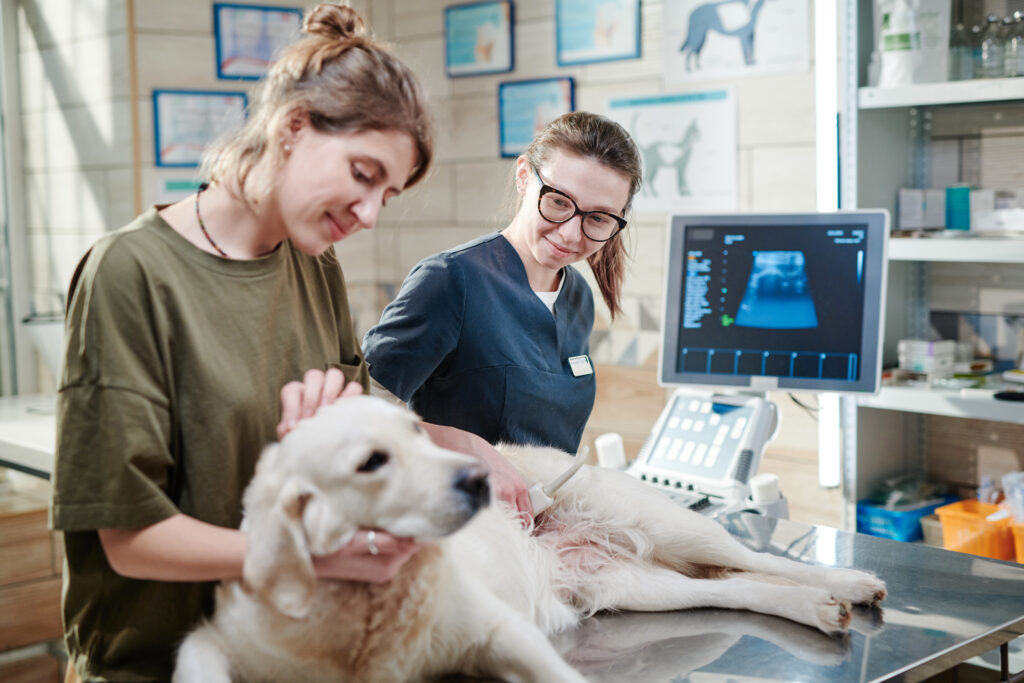
Pet Laser Therapy
Pets, like humans, can experience pain, inflammation, and slow healing due to injuries, arthritis, or post-surgical recovery. Modern veterinary medicine offers advanced solutions to address these issues, and Pet Laser Therapy has emerged as a safe, non-invasive treatment option.
This therapy uses targeted light energy to stimulate cellular activity, reduce inflammation, and promote faster healing. It is suitable for a wide range of conditions, from musculoskeletal injuries to chronic joint pain. Pet owners seeking effective, low-risk treatment options can greatly benefit from understanding how laser therapy works. By integrating it with routine veterinary care, pets can experience improved comfort, mobility, and overall quality of life.
How Pet Laser Therapy Works
Laser therapy is a sophisticated treatment that uses specific wavelengths of light to interact with tissues in the body.
Pet Laser Therapy works by penetrating the skin and underlying tissues to stimulate cellular regeneration, increase blood flow, and reduce inflammation. This non-invasive procedure has been used extensively in human medicine and has proven highly effective in veterinary applications. Understanding the mechanisms behind laser therapy can help pet owners appreciate its benefits and know when to consider it for their pets.
Cellular Stimulation and Healing
One of the main benefits of laser therapy is its ability to stimulate cellular activity. The light energy penetrates cells, increasing ATP production, which is vital for energy and healing.
Enhanced cellular activity accelerates tissue repair, reduces recovery time, and promotes regeneration of damaged cells. This is especially beneficial for pets recovering from surgery or injuries, helping them regain mobility and strength faster. Consistent treatment can significantly improve the healing process.
Reducing Inflammation and Pain
Pet Laser Therapy also helps reduce inflammation and relieve pain. By targeting affected areas, the therapy decreases swelling, eases joint stiffness, and minimizes discomfort associated with injuries or chronic conditions.
Reduced inflammation not only improves comfort but also prevents further tissue damage. Pets experiencing arthritis, ligament injuries, or chronic pain benefit significantly, as laser therapy allows them to move more freely without discomfort. This improvement in mobility enhances their overall quality of life.
Blood Flow and Tissue Regeneration
Laser therapy improves blood circulation in the treated areas, ensuring that oxygen and nutrients reach damaged tissues efficiently. Improved circulation supports tissue regeneration and speeds up the healing process.
Better blood flow also helps remove waste products and reduces edema, allowing pets to recover more quickly from injuries. Regular laser therapy sessions, as recommended by veterinarians, can have long-lasting benefits in promoting overall tissue health.
Benefits and Applications of Pet Laser Therapy
The applications of Pet Laser Therapy extend across various health concerns, making it a versatile tool in veterinary medicine. From pain management to post-surgical recovery, laser therapy supports healing in multiple ways. Its non-invasive nature makes it suitable for pets of all ages, and it can be used alongside other treatments for optimal results. Understanding these benefits helps pet owners make informed decisions and ensure their pets receive the best care possible.
Pain Management for Chronic Conditions
One of the most common uses of laser therapy is for managing chronic pain. Conditions such as arthritis, hip dysplasia, and degenerative joint disease often cause ongoing discomfort in pets.
Laser therapy reduces pain by decreasing inflammation and stimulating nerve cells. This allows pets to regain mobility and engage in normal activities without the need for excessive medications. Over time, pain management through laser therapy can enhance a pet’s overall well-being.
Accelerating Post-Surgical Recovery
After surgery, pets often require extended periods of healing. Laser therapy can accelerate recovery by stimulating cellular repair and reducing swelling at the surgical site.
Faster recovery means pets can resume normal activity sooner and experience less post-operative discomfort. Integrating laser therapy into post-surgical care helps veterinarians and pet owners support optimal healing outcomes.
Treating Soft Tissue Injuries
Pet Laser Therapy is also effective in treating soft tissue injuries, including sprains, strains, and ligament damage. Targeted light therapy promotes faster tissue repair and reduces inflammation in the affected area.
By improving blood flow and stimulating cellular regeneration, laser therapy helps injured muscles, tendons, and ligaments heal more efficiently. This reduces downtime for pets and prevents further complications, ensuring a faster return to active, pain-free life.
Final Thoughts
Pet Laser Therapy has revolutionized veterinary care by providing a safe, effective, and non-invasive method to treat pain, inflammation, and injuries. southwestanimalhospital.com Its ability to stimulate healing, reduce discomfort, and improve mobility makes it an invaluable tool for pet owners and veterinarians alike. Incorporating laser therapy into regular veterinary care can enhance pets’ overall quality of life, ensuring they remain active, healthy, and comfortable.