Understanding polygraph test how it works is essential for anyone considering a lie detector test for legal, personal, or professional reasons. A polygraph test is a scientific tool designed to measure physiological responses that may indicate deception. While often called a “lie detector,” the polygraph does not directly detect lies; instead, it records changes in the body that occur when a person responds deceptively.
At California Lie Detector, polygraph testing is conducted by trained and certified examiners using modern equipment and validated testing methods to ensure accuracy, confidentiality, and professionalism.
What Is a Polygraph Test?
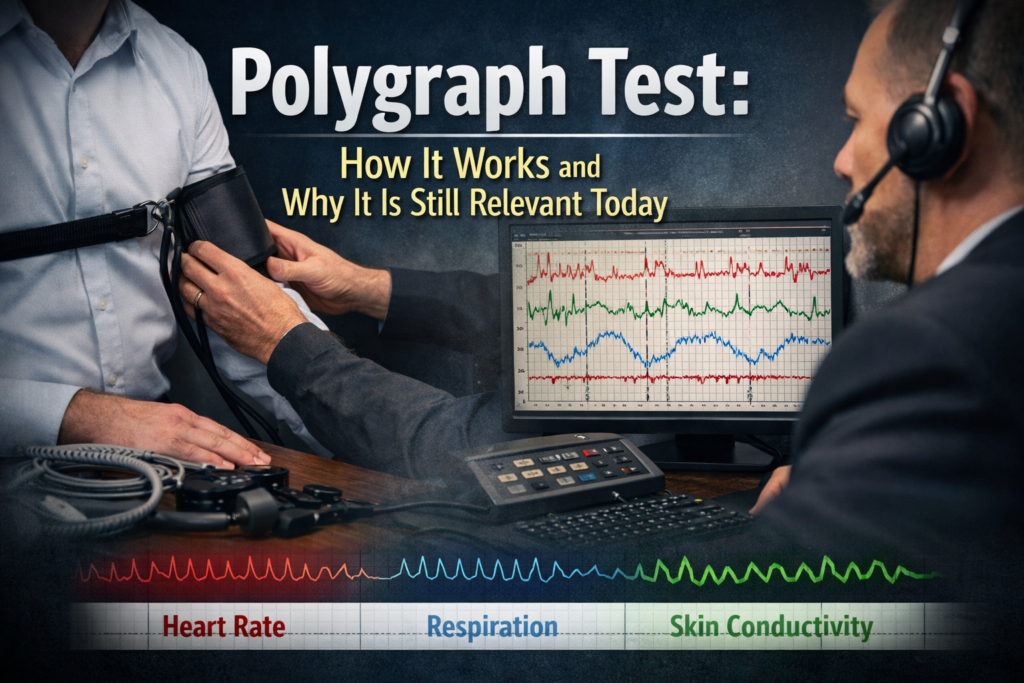
A polygraph test is an examination that records multiple physiological signals while a person answers a series of structured questions. These signals typically include:
-
Heart rate
-
Blood pressure
-
Respiratory rate
-
Skin conductivity (sweat response)
The idea behind polygraph test how it works is that deceptive answers often trigger stress or anxiety, which in turn causes measurable physiological changes.
Polygraph Test: How It Works Step by Step
1. Pre-Test Interview
The polygraph process begins with a detailed pre-test interview. During this phase, the examiner explains the procedure, reviews the questions, and ensures the examinee understands everything clearly. This step is crucial for accuracy because it establishes a psychological baseline.
At California Lie Detector, pre-test interviews are conducted professionally and ethically, ensuring the subject feels informed and comfortable before testing begins.
2. Sensor Attachment
Once the interview is complete, sensors are attached to the examinee’s body. These sensors do not cause pain and are completely non-invasive. They typically include:
-
Pneumograph tubes around the chest to measure breathing
-
A blood pressure cuff to monitor cardiovascular activity
-
Electrodes on the fingers to measure skin conductivity
This setup allows the polygraph machine to record real-time physiological data.
3. Questioning Phase
This is the core stage in understanding polygraph test how it works. The examiner asks three main types of questions:
-
Relevant questions – Directly related to the issue under investigation
-
Control questions – Designed to provoke a mild stress response
-
Irrelevant questions – Neutral questions used to establish baseline responses
The examiner compares responses across these question types to identify significant physiological differences.
4. Data Recording and Analysis
The polygraph machine records all physiological responses in chart form. After the test, the examiner carefully analyzes these charts using standardized scoring methods. Significant deviations in responses during relevant questions may indicate deception.
At California Lie Detector, examiners use validated scoring techniques and, when needed, computerized analysis for enhanced accuracy.
5. Test Results
Results are typically classified as:
-
No Deception Indicated (NDI)
-
Deception Indicated (DI)
-
Inconclusive
Most polygraph results are available shortly after the examination, depending on the complexity of the case.
The Science Behind Polygraph Testing
The science of polygraph test how it works is rooted in psychophysiology. When a person lies, the brain experiences cognitive stress, which activates the autonomic nervous system. This activation leads to involuntary changes in heart rate, breathing, and perspiration—responses the polygraph records and evaluates.
While no test is 100% perfect, professional polygraph testing conducted under proper conditions has been shown to produce high accuracy rates when administered by trained experts.
Common Uses of Polygraph Tests
Polygraph tests are widely used in various situations, including:
-
Criminal investigations
-
Pre-employment screening
-
Employee theft investigations
-
Legal disputes
-
Infidelity and relationship matters
-
Probation and compliance monitoring
California Lie Detector provides confidential polygraph services for individuals, attorneys, and organizations across California.
Is a Polygraph Test Accurate?
A common question related to polygraph test how it works is accuracy. When administered correctly, modern polygraph tests can achieve accuracy rates of 85%–95%, depending on the testing method and examiner expertise. Factors such as examinee health, emotional state, and honesty during the pre-test interview can influence results.
Legal Acceptance of Polygraph Tests
Polygraph admissibility varies by jurisdiction. In many cases, results are not automatically admissible in court but can be used as investigative tools, negotiation aids, or when both parties agree to their use. Attorneys often rely on reputable providers like California Lie Detector for professional and legally compliant testing.
Why Choose California Lie Detector?
-
Certified and experienced examiners
-
State-of-the-art polygraph equipment
-
Confidential and unbiased testing
-
Services for legal, personal, and corporate needs
-
Convenient California locations
Choosing a trusted provider is a key factor in ensuring reliable results when learning polygraph test how it works.
FAQs About Polygraph Test How It Works
1. What does a polygraph test actually measure?
A polygraph measures physiological responses such as heart rate, breathing, and skin conductivity, not lies themselves.
2. Can someone beat a polygraph test?
Attempting countermeasures is difficult and often detectable by trained examiners, especially at professional agencies like California Lie Detector.
3. How long does a polygraph test take?
Most tests last between 1.5 to 3 hours, including the pre-test interview and analysis.
4. Is a polygraph test safe?
Yes, polygraph tests are non-invasive and safe for most individuals.
5. Are polygraph results confidential?
Absolutely. California Lie Detector maintains strict confidentiality for all clients.
6. Who should not take a polygraph test?
Individuals with certain medical conditions or under the influence of drugs or alcohol may need to postpone testing.
Conclusion
Understanding polygraph test how it works helps demystify the process and build confidence in its results. While not flawless, polygraph testing remains a valuable investigative and verification tool when conducted by experienced professionals. With certified examiners, modern technology, and strict ethical standards, California Lie Detector continues to be a trusted choice for accurate and confidential polygraph services.