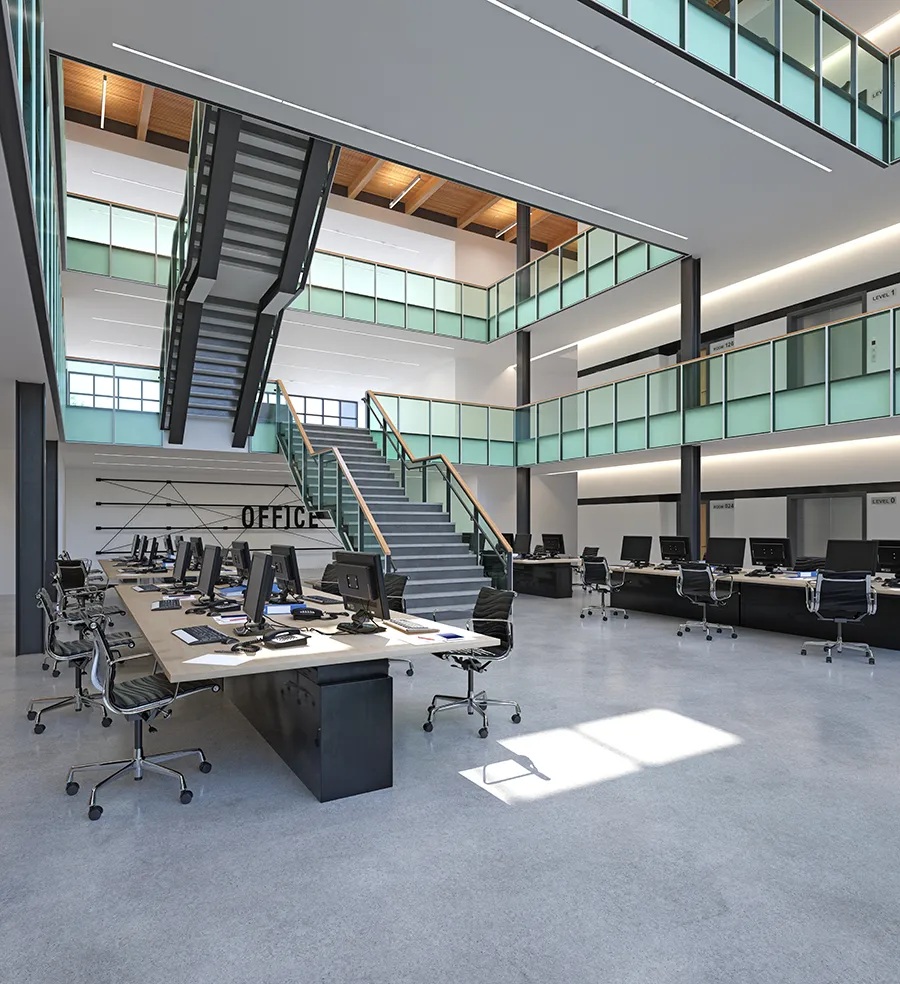
For business owners and facility managers, a commercial space represents far more than walls and ceilings. It reflects brand credibility, operational standards, and the experience delivered to employees, clients, and visitors every day. A professional commercial painting service plays a central role in maintaining that image while also protecting the long-term condition of the property.
Commercial painting is fundamentally different from residential work. It involves larger surfaces, stricter safety requirements, durable materials, and careful scheduling around active business operations. Understanding what to expect from a professional commercial painting service allows decision-makers to plan effectively, avoid costly mistakes, and achieve results that last.
This guide walks through the commercial painting process from assessment to completion, outlining the standards businesses should expect at every stage.
Understanding the Role of a Professional Commercial Painting Service
A professional commercial painting service is designed to handle complex, high-use environments such as offices, retail stores, medical facilities, warehouses, and multi-unit commercial buildings. These spaces require specialized planning, experienced crews, and materials selected for durability and compliance.
Unlike general painters, commercial specialists understand how painting impacts productivity, safety, and building maintenance. Their responsibility extends beyond applying paint to include project coordination, surface protection, regulatory compliance, and quality assurance.
Businesses should expect a service provider that treats painting as part of an overall facility management strategy rather than a cosmetic upgrade.
Initial Consultation and Project Assessment
Site Evaluation and Scope Definition
A professional commercial painting project begins with a detailed site assessment. This evaluation typically includes:
- Wall conditions and existing coatings
- Square footage, ceiling height, and surface accessibility
- Areas with high traffic or special use requirements
- Operational hours, noise sensitivity, and safety considerations
Understanding how the business operates is just as important as evaluating the physical space. Painters should plan around employees, customers, tenants, or patients to reduce disruption.
A clearly defined scope at this stage helps prevent delays, budget overruns, and unexpected changes during the project.
Color Selection and Finish Recommendations
Color selection in commercial environments is both functional and strategic. Professional painters guide businesses on color choices that align with branding, support employee focus, and influence customer perception.
Finish selection is equally important. High-traffic areas require durable, washable finishes, while healthcare and food-related facilities may need coatings that meet hygiene and cleanliness standards.
Surface Preparation Standards Businesses Should Expect
Surface preparation is one of the strongest indicators of a professional commercial painting service. Without proper preparation, even the best paint will fail prematurely.
Professional painters thoroughly clean surfaces, repair cracks and dents, address moisture or adhesion issues, and apply the correct primers. This process ensures uniform coverage and long-term durability across large areas.
Businesses investing in a professional commercial painting service should expect preparation standards that prioritize longevity rather than shortcuts.
Materials, Coatings, and Application Techniques
Commercial-Grade Paints and Coatings
Commercial environments require paints engineered for durability, frequent cleaning, and consistent performance. These products are designed to withstand heavy use and environmental stress without degrading quickly.
Many professional services also use low-VOC or zero-VOC coatings to support indoor air quality. Health Canada provides guidance on safer coating choices that help protect employees, customers, and occupants in commercial spaces.
Selecting appropriate materials is essential for both regulatory compliance and occupant comfort.
Application Methods and Equipment
Professional commercial painters use specialized tools such as airless sprayers, commercial rollers, lifts, and scaffolding systems. These methods allow large spaces to be completed efficiently while maintaining consistent coverage and clean edges.
Proper application techniques also reduce overspray, control drying times, and protect surrounding surfaces, fixtures, and equipment.
Project Management, Scheduling, and Communication
Effective project management is a defining feature of a professional commercial painting service. Businesses should expect:
- A clear project timeline with defined phases
- Flexible scheduling, including evenings or weekends when required
- Ongoing communication before and during the project
- On-site supervision to ensure quality and safety
Strong coordination allows painting work to proceed without interrupting normal business operations, even in active or occupied spaces.
Safety, Compliance, and Insurance Considerations
Safety is non-negotiable in commercial painting. Professional services follow strict protocols related to fall protection, equipment handling, ventilation, and hazard communication.
In Ontario, workplace safety standards are guided by organizations such as the Ministry of Labour, Immigration, Training and Skills Development and the Canadian Centre for Occupational Health and Safety. Compliance with these standards protects workers, occupants, and property owners from risk and liability.
Businesses should also verify that their painting contractor carries proper insurance and licensing. This safeguards the property owner in the event of accidents or unexpected damage.
Quality Assurance and Final Walkthrough
A professional commercial painting service includes a structured quality review before project completion. This final stage typically involves:
- Inspecting coverage consistency and finish quality
- Identifying and addressing touch-ups
- Confirming cleanliness and surface protection
- Reviewing the work with the business owner or facility manager
Documentation, maintenance guidance, and warranty information may also be provided, reinforcing accountability and long-term value.
Long-Term Value of Hiring a Professional Commercial Painting Service
Professional commercial painting delivers measurable long-term value. High-quality preparation and materials reduce maintenance needs, extend repainting cycles, and help preserve underlying building materials.
Well-maintained commercial spaces support employee morale, improve customer perception, and enhance tenant satisfaction. Over time, professional painting contributes to asset protection and reduces overall property management costs.
For businesses, commercial painting should be viewed as a strategic investment rather than a short-term expense.
How Businesses Can Evaluate a Commercial Painting Contractor
Before hiring, businesses should evaluate contractors based on experience with similar property types, transparent proposals, and clearly defined timelines. Reputable providers are open about their preparation methods, materials, and safety practices.
Red flags include vague estimates, lack of insurance documentation, and unwillingness to explain the painting process. A professional contractor prioritizes clarity, planning, and accountability.
Frequently Asked Questions
How long does a typical commercial painting project take?
Timelines vary based on building size, surface conditions, and scheduling needs. Small offices may take several days, while large facilities can require multiple weeks.
Can commercial painting be completed outside business hours?
Yes. Many professional services offer evening or weekend scheduling to minimize disruption.
How often should commercial properties be repainted?
Most commercial interiors require repainting every five to seven years, depending on usage and traffic. Exteriors vary based on exposure and environmental conditions.
What types of businesses benefit most from professional commercial painting services?
Offices, retail spaces, healthcare facilities, hospitality venues, and industrial properties all benefit from professional-grade painting and compliance standards.
How can businesses ensure minimal disruption during painting projects?
Clear scheduling, phased work plans, and proactive communication are key to maintaining normal operations during painting.
Conclusion and Next Steps
Knowing what to expect from a professional commercial painting service allows businesses to plan confidently and achieve durable, high-quality results. From preparation and materials to safety compliance and project management, professionalism is evident at every stage of the process.
When approached strategically, commercial painting strengthens brand image, supports workplace well-being, and protects valuable property assets.
Ready to enhance your commercial space? Schedule a professional site assessment and consultation to understand how expert commercial painting can support your business goals.