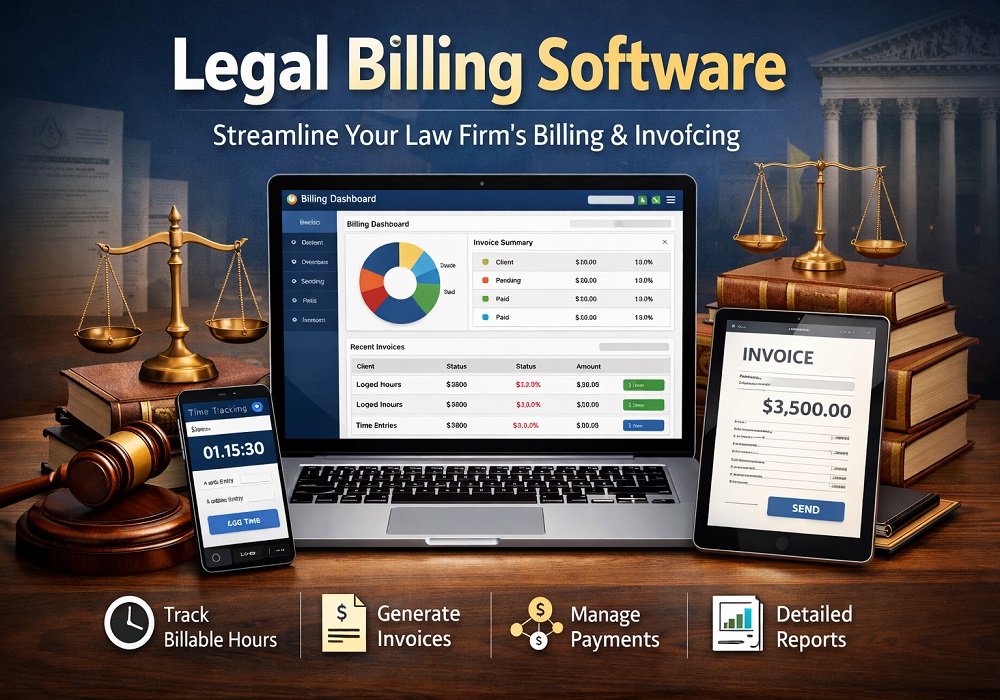
Billing errors are one of the fastest ways to erode trust between law firms and their clients. Even small mistakes—duplicate entries, vague descriptions, or missed rate changes—can trigger disputes that delay payments and strain relationships. As firms face increasing pressure to improve accuracy and transparency, automation has become a practical and reliable solution.
Modern Legal billing software helps law firms reduce billing errors, minimize disputes, and create a smoother experience for both internal teams and clients. Here’s how automation makes a measurable difference—and how firms can use it effectively.
Why Billing Errors Happen in Law Firms
Before addressing the solution, it’s important to understand the root causes of billing mistakes. Most errors stem from manual processes that are difficult to scale and easy to disrupt.
Common Sources of Billing Errors
-
Manual time entry recorded days or weeks after work is completed
-
Inconsistent billing narratives that fail to meet client guidelines
-
Incorrect rates or discounts applied to matters
-
Duplicate or missing invoices caused by spreadsheet-based workflows
As firms grow, these issues compound—especially when billing teams juggle multiple matters, billing formats, and client-specific requirements.
How Automation Reduces Billing Errors
Automation doesn’t just speed up billing—it standardizes and safeguards it. Purpose-built Legal billing software introduces controls that prevent errors before invoices ever reach a client.
1. Real-Time, Accurate Time Capture
Automated time tracking records billable activity as it happens, reducing reliance on memory and eliminating retroactive guesswork. This ensures:
-
More complete time entries
-
Fewer missed billable hours
-
Greater consistency across timekeepers
Real-world example: A mid-sized litigation firm reduced write-offs by over 20% after implementing automated time capture, simply by eliminating forgotten entries.
2. Built-In Billing Rules and Compliance Checks
Automation allows firms to enforce billing rules automatically, including client-specific guidelines and industry standards recommended by organizations like American Bar Association.
These systems can:
-
Flag non-compliant task codes
-
Enforce billing increments
-
Prevent unauthorized rate changes
Instead of catching errors after invoices are rejected, firms correct them upfront—saving time and frustration.
3. Standardized, Clear Invoice Narratives
Vague or inconsistent descriptions are a common trigger for disputes. Automated billing tools standardize narratives using templates and prompts, ensuring invoices are:
-
Clear and professional
-
Aligned with client expectations
-
Easy for clients to review and approve
This level of clarity significantly reduces follow-up questions and delayed payments.
Reducing Client Disputes with Transparency
Billing disputes often arise not from cost, but from confusion. Automation improves transparency at every stage of the billing cycle.
4. Pre-Bill Review and Approval Workflows
Automated pre-bill workflows allow attorneys and finance teams to review invoices collaboratively before they’re sent. This ensures:
-
Errors are caught early
-
Internal approvals are documented
-
Clients receive polished, accurate bills
Practical insight: Firms that use automated pre-bill review report fewer invoice rejections and faster payment cycles.
5. Detailed Audit Trails Build Trust
Every automated action—from time entry edits to invoice approvals—is logged. These audit trails protect firms during disputes by providing:
-
Clear documentation of changes
-
Accountability across teams
-
Confidence during client audits
This transparency reinforces trust and demonstrates professionalism.
Actionable Tips for Implementing Billing Automation
To get the most out of Legal billing software, law firms should follow these best practices:
Choose Software Designed for Legal Workflows
Generic accounting tools lack legal-specific features. Look for platforms that support:
-
Matter-based billing
-
Trust accounting
-
Client guideline enforcement
Train Attorneys, Not Just Billing Staff
Automation only works if timekeepers use it consistently. Short, role-based training helps attorneys understand how accurate entries benefit both the firm and the client.
Use Data to Improve Billing Practices
Automated systems generate valuable insights. Regularly review reports to identify:
-
Frequent write-offs
-
Dispute trends
-
Opportunities to improve billing clarity
Automation as a Competitive Advantage
Reducing billing errors isn’t just about efficiency—it’s about client experience. Firms that leverage Legal billing software position themselves as transparent, reliable, and client-focused.
In an increasingly competitive legal market, automation transforms billing from a source of friction into a strategic advantage. By minimizing errors and disputes, law firms can improve cash flow, strengthen relationships, and focus on what matters most: delivering exceptional legal services.