Scottish Heritage Wear Influencing Global Style
Scottish fashion has always carried a distinctive charm rooted in centuries-old customs, yet its influence has never been confined to the Highlands alone. Over the past several decades, Scottish heritage wear has steadily progressed from traditional ceremonial attire to a global fashion phenomenon embraced by designers, stylists, and everyday trendsetters around the world. This growing fascination reflects more than a love for tartans or kilts—it represents a cultural appreciation for craftsmanship, identity, and storytelling. Today, as fashion houses merge tradition with innovation, Scottish heritage wear stands as a proud example of how cultural garments can transcend borders without losing their authenticity.
Historical Roots of Scottish Heritage Wear
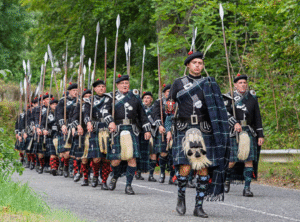
The evolution of Scottish heritage wear is deeply connected to Scotland’s long-standing traditions, where garments were designed not only for function but for symbolism. Tartans, for instance, served as clan identifiers, weaving stories through their colors and patterns. Kilts evolved as practical Highland garments suited for movement across rugged terrains. As centuries passed, these styles transformed into cultural icons recognized far beyond Scotland. Modern global audiences are drawn to their authenticity amid a fast-paced fashion world often dominated by mass production. This powerful historical foundation continues to inspire contemporary fashion, proving that heritage remains relevant even in modern design.
Scottish Heritage Wear in Contemporary Fashion Trends
In today’s style landscape, Scottish heritage wear has made remarkable appearances across runways, streetwear, and formal attire worldwide. Designers integrate tartan patterns into jackets, skirts, and tailored suits, while kilts occasionally appear as bold statements in men’s fashion. The appeal lies in the balance of cultural identity and modern versatility. These iconic textiles and silhouettes complement both casual and luxurious aesthetics, enabling individuals to experiment with heritage elements. This blend of cultural significance and trendsetting experimentation highlights the ongoing global fascination with Scottish fashion, reinforcing how effortlessly traditional styles can adapt to contemporary wardrobes.
How Scottish Heritage Wear Inspires Global Designers
High-end designers often turn to Scottish heritage wear for artistic inspiration, whether through tartan textiles, classic sporran designs, or pleated garment structures. International fashion houses have incorporated these details into seasonal collections, drawing on Scotland’s rich history to create fresh interpretations. The durability and timelessness of these patterns make them attractive for long-term trend cycles. Meanwhile, streetwear brands adopt Scottish influences to create edgy yet rooted fashion. This cross-genre appeal demonstrates how heritage garments can be reimagined while retaining cultural respect, strengthening Scotland’s role in shaping global fashion narratives.
Cultural Identity and Modern Expression
For many, Scottish heritage wear represents more than fashion—it’s a form of identity and self-expression. As people worldwide become more interested in cultural representation, they increasingly gravitate toward garments with meaning and history. Scottish attire offers this connection, allowing wearers to embody tradition while expressing individuality. Whether worn during cultural festivals, weddings, or fashion-forward events, Scottish garments blend symbolism with style. The rise of social media has further amplified this cultural reach, showcasing how traditional wear can thrive within global digital communities and inspire others seeking authenticity in their clothing choices.
Influence of Kilt and Kilts in Global Fashion
One strong example of Scottish fashion impacting global style is the increased visibility of kilts in international markets. Platforms such as Kilt and Kilts highlight how traditional garments can adapt to modern fashion preferences without losing their heritage value. These kilts often blend practicality with cultural pride, attracting a diverse audience. As more people embrace kilts for weddings, festivals, and even casual streetwear, the garment continues to demonstrate its versatility. Its ability to bridge the gap between heritage and modernity makes it an essential contributor to the worldwide growth of Scottish-inspired attire.
Kilt Outfits and Their Global Adaptability
Another key driver of global interest in Scottish style is the widespread appreciation for the tartan kilt outfit, which blends elegance, tradition, and comfort. International designers often draw inspiration from these ensembles when creating contemporary men’s and women’s wear. Tartan patterns have become staples in fashion collections, appearing in jackets, dresses, scarves, and tailored suits around the world. The adaptability of tartan’s color palettes and patterns ensures it seamlessly fits into various fashion cultures. This ongoing global adoption highlights how Scottish heritage wear continues to influence the fashion industry in subtle yet powerful ways.
Scottish Heritage Wear in Pop Culture and Media
Film, television, and celebrity fashion have also propelled the popularity of Scottish heritage wear. Iconic movie costumes, red carpet looks featuring tartan accents, and musicians styling kilts on stage all contribute to its growing global appeal. These cultural touchpoints introduce traditional Scottish garments to new audiences who may not have been exposed to them otherwise. As pop culture continually influences mainstream fashion, Scottish attire benefits from increased visibility. This media-driven exposure reinforces the idea that heritage wear can coexist with modern trends, creating timeless styles with universal resonance.
Why Scottish Heritage Wear Appeals to Modern Consumers
The rising popularity of Scottish heritage wear can be attributed to the growing demand for authenticity and craftsmanship in fashion. Consumers today value garments that tell a story, support cultural preservation, and offer distinctive aesthetics. Scottish attire meets all these criteria, making it appealing to individuals across continents. Moreover, the ability to personalize tartan choices or kilt styles gives wearers a sense of uniqueness. This fusion of tradition and individuality aligns perfectly with today’s fashion mindset, where meaningful expression matters just as much as visual appeal.
Conclusion
Ultimately, the global embrace of Scottish heritage wear demonstrates how cultural garments can remain relevant across generations and geographies. Through tartans, kilts, and traditional accessories, Scottish fashion continues to blend heritage with innovation, inspiring designers and consumers worldwide. As the industry increasingly values sustainability, authenticity, and craftsmanship, Scotland’s cultural attire is positioned to remain a cornerstone of international style. Its influence is not merely a passing trend but a celebration of history, artistry, and cultural pride—elements that will continue shaping the fashion world for years to come.