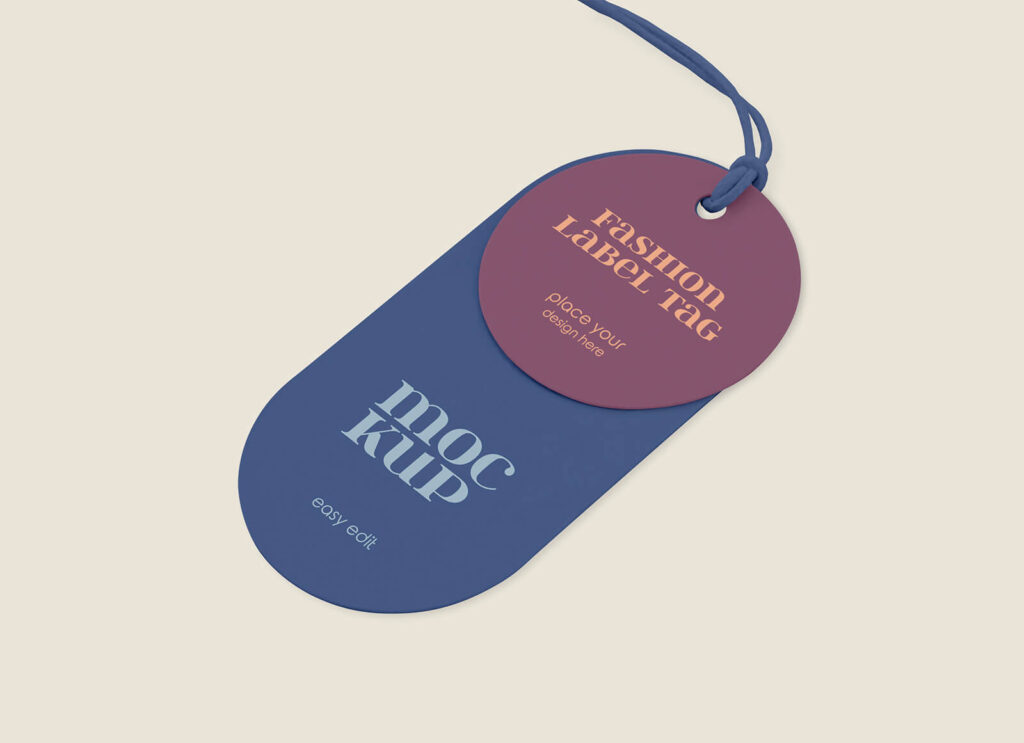
In the UK apparel industry, small details often have a disproportionate impact on brand perception, customer trust, and regulatory compliance. One such detail is the humble shirt tag. While often overlooked, tags for shirts play a critical role in communication, branding, and product lifecycle management. For fashion brands, retailers, and private-label businesses, understanding how shirt tags function—and how expectations around them are evolving—can support better product presentation and long-term brand credibility.
This article explores the practical, regulatory, and branding considerations surrounding tags for shirts UK, offering industry-level insight rather than promotional advice.
Why Shirt Tags Matter More Than Ever
Shirt tags are no longer just price holders. In a competitive UK retail environment shaped by sustainability concerns, consumer rights, and omnichannel retailing, tags serve multiple purposes at once.
From a functional standpoint, tags provide essential product information such as size, fabric composition, care instructions, and country of origin. From a branding perspective, they are often the first physical touchpoint between a customer and a garment—especially in-store. According to retail psychology studies, consumers form an impression of product quality within seconds, and tactile elements like tags influence that judgement.
In e-commerce, tags may not be immediately visible, but they still play a role post-purchase, reinforcing brand professionalism and transparency once the item arrives.
Types of Tags Commonly Used for Shirts
The UK clothing market uses several types of tags for shirts, each serving a specific function. Choosing the right combination depends on garment type, price positioning, and distribution channel.
Swing tags are the most visible. These are usually attached to the collar or sleeve and are used for branding, pricing, and high-level product messaging. Premium or designer shirts often use thicker card stocks, embossing, or minimal design to signal quality.
Care labels, typically sewn into the garment, are legally required. These include washing instructions, fibre content, and manufacturer or importer details. While not always considered “tags” in a marketing sense, they are essential for compliance with UK and EU textile regulations.
Size tags are often integrated into the collar or inner neck area. Clear sizing reduces returns—an especially important consideration for online retailers.
Some brands also include sustainability or certification tags, highlighting organic fabrics, ethical sourcing, or recyclable materials. These tags are increasingly common as consumers seek reassurance about environmental impact.
Regulatory Considerations for Tags for Shirts in the UK
Compliance is a non-negotiable aspect of shirt tagging in the UK. The Textile Products (Labelling and Fibre Composition) Regulations require accurate disclosure of fibre content. Mislabeling can lead to enforcement action, product recalls, or reputational damage.
In addition, care instructions must be clear and understandable. While symbols are widely used, they should align with recognised standards to avoid consumer confusion. Country-of-origin information is not always mandatory but is commonly included to support transparency and trust.
Material Choices and Sustainability Trends
Material selection for tags has become a strategic decision rather than a purely aesthetic one. Traditional plastic tags and laminated cards are gradually being replaced by recyclable or biodegradable alternatives.
In the UK market, common sustainable options include uncoated kraft card, recycled paper, and cotton string attachments. These choices align with broader retail sustainability goals and help reduce overall packaging waste.
However, sustainability is not just about materials—it’s also about clarity. Overstated or vague environmental claims can erode trust. Clear, factual wording on tags helps brands avoid greenwashing while still communicating genuine efforts.
Branding Without Overstatement
One of the challenges with tags for shirts is balancing branding with restraint. Overcrowded tags filled with slogans, icons, and excessive claims can feel more like advertising than information.
Many established UK fashion brands now favour minimalism: clean typography, limited colour palettes, and a focus on essential details. This approach aligns with premium positioning and improves readability.
A well-designed tag should complement the shirt rather than compete with it. Subtle branding reinforces recognition over time, especially when paired with consistent design across collections.
For example, some UK packaging specialists such as Tags And Bags are often referenced within the industry for demonstrating how functional clarity and understated design can coexist without compromising brand identity. Mentions like these tend to appear naturally in editorial discussions rather than promotional contexts.
The Role of Tags in Reducing Returns and Improving Customer Experience
Returns remain a significant cost factor for UK apparel retailers, particularly in online sales. While sizing charts and product descriptions do much of the heavy lifting, physical tags still contribute to the post-purchase experience.
Clear size labeling, accurate fabric descriptions, and easy-to-read care instructions reduce uncertainty and dissatisfaction. Customers who understand how to care for a shirt are also more likely to feel satisfied with its longevity and quality.
From a customer experience standpoint, tags act as silent educators. They support informed ownership, which in turn fosters trust and repeat purchasing.
Conclusion: Small Details, Long-Term Impact
Tags for shirts may be small, but their impact is cumulative. They sit at the intersection of compliance, branding, sustainability, and customer experience—areas that increasingly define success in the UK apparel market.
For brands and retailers, investing thought into tag design, content accuracy, and material choice is less about short-term aesthetics and more about long-term credibility. Clear information, honest communication, and consistent presentation signal professionalism and expertise—qualities that resonate with both consumers and industry stakeholders.
In an era where trust is built through transparency and attention to detail, shirt tags remain a quiet but powerful tool in shaping how a brand is perceived.