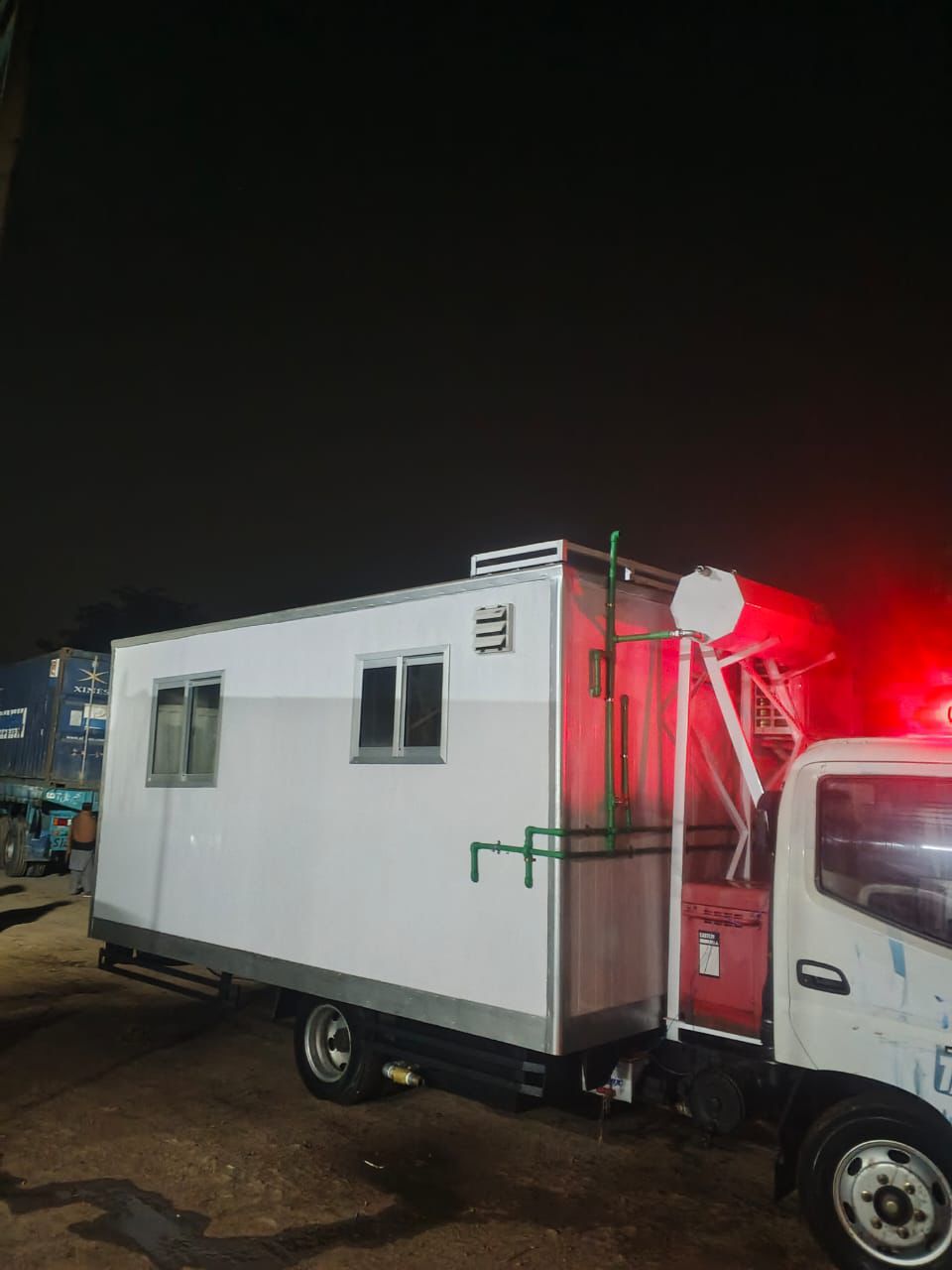
Imagine running a business where your workspace can move with you, expand when needed, and disappear when it’s no longer required. For many industries today, this is not just an idea—it’s becoming reality through portable infrastructure.
In a world where speed, efficiency, and adaptability define success, traditional construction methods often struggle to keep up. Permanent buildings are expensive, time-consuming, and fixed in place. While they still serve an important role, they are no longer the only solution.
Portable infrastructure is changing the way organizations think about space. It offers a flexible, cost-effective, and practical alternative that aligns perfectly with modern operational needs.
The Growing Need for Mobility in Business
Businesses today operate in a highly dynamic environment. Projects are temporary, teams are mobile, and opportunities often require quick action.
Consider these scenarios:
- A construction company starting a project in a remote location
- An event organizer preparing for a large outdoor gathering
- A business expanding its workforce for a short-term project
- A relief organization responding to an emergency situation
In each of these cases, the need for infrastructure is immediate but temporary. Building permanent facilities is not only impractical but also inefficient.
Portable solutions address this challenge by providing ready-to-use spaces that can be deployed wherever needed.
What Is Portable Infrastructure?
Portable infrastructure refers to prefabricated structures that are designed for easy transportation, installation, and reuse. These units are built to provide functional environments similar to traditional buildings.
Common types of portable infrastructure include:
- Portable offices and meeting rooms
- Sanitation units and restrooms
- Storage containers
- Security cabins
- Worker shelters
- Temporary classrooms
These units are engineered for durability and comfort, ensuring they meet the demands of various industries.
Key Benefits of Portable Infrastructure
1. Mobility That Supports Operations
One of the most significant advantages of portable infrastructure is mobility. Units can be transported from one location to another with ease.
For businesses that operate across multiple sites, this means infrastructure is always available where it is needed, without the need for repeated construction.
2. Fast Deployment
Time is a critical factor in modern operations. Portable units can be installed quickly, allowing organizations to begin work almost immediately.
This rapid deployment reduces downtime and ensures projects stay on schedule.
3. Cost Efficiency
Portable solutions eliminate many of the costs associated with traditional construction. Since they are reusable, they provide long-term value and reduce the need for repeated investments.
This makes them an attractive option for businesses looking to optimize their budgets.
4. Adaptability to Changing Needs
Business requirements can change quickly. Portable infrastructure allows organizations to scale their operations up or down as needed.
Additional units can be added during peak periods and removed when they are no longer required.
Real-World Applications
Construction Industry
Construction sites require temporary facilities for management and workers. Portable offices, storage units, and sanitation facilities provide essential support.
As the project progresses, these units can be relocated, ensuring continuous efficiency.
Events and Exhibitions
Events require temporary infrastructure to accommodate attendees and manage operations. Portable units such as ticket booths, restrooms, and control rooms help ensure a smooth experience.
After the event, these units can be removed quickly, leaving the site unchanged.
Business Expansion
Companies experiencing short-term growth can use portable offices to accommodate additional staff. This allows them to expand without committing to permanent construction.
Education and Training
Portable classrooms provide a practical solution for schools facing space shortages or undergoing renovations. They ensure that learning continues without interruption.
Emergency Response
Portable infrastructure plays a vital role in disaster relief efforts. Temporary shelters, medical units, and coordination centers can be deployed quickly to support affected communities.
Choosing the Right Portable Infrastructure
Selecting the right solution requires careful consideration.
Purpose: Identify the primary use of the unit.
Size and Layout: Ensure the unit meets operational requirements.
Durability: Choose materials that can withstand environmental conditions.
Ease of Transport: Look for units that are easy to move and install.
Future Use: Consider whether the unit can be reused or modified.
Making the right choice ensures maximum efficiency and value.
Environmental Benefits
Portable infrastructure is also an environmentally responsible choice. Because units can be reused, they reduce the need for new construction materials and minimize waste.
Many modern portable units are designed with energy-efficient features, helping reduce overall energy consumption.
As sustainability becomes a priority, portable solutions offer a practical way to reduce environmental impact.
The Future of Portable Infrastructure
The future of infrastructure is moving toward flexibility and efficiency. Portable solutions are expected to become even more advanced, with improvements in design, materials, and technology.
Future developments may include:
- Smart portable units with integrated systems
- Enhanced insulation and climate control
- More customizable modular designs
- Increased focus on sustainability
These innovations will further strengthen the role of portable infrastructure in modern operations.
Reliable Solutions for Modern Needs
The success of portable infrastructure depends on the quality of the units and the reliability of the provider.
For businesses, construction teams, and event organizers seeking dependable solutions, http://portaking.pk/ offers a wide range of portable infrastructure. Their products are designed to provide durability, efficiency, and flexibility for various applications.
Conclusion
Portable infrastructure is transforming the way organizations approach space and operations. Its ability to provide mobility, speed, and cost efficiency makes it an essential tool in today’s fast-paced world.
From construction sites and business expansions to events and emergency response, portable solutions offer unmatched flexibility and practicality.
As industries continue to evolve, the demand for adaptable infrastructure will only grow. Portable solutions are not just meeting this demand—they are shaping the future of how we build, work, and operate.
In a world where change is constant, the power of mobility is the key to staying ahead—and portable infrastructure makes that possible.