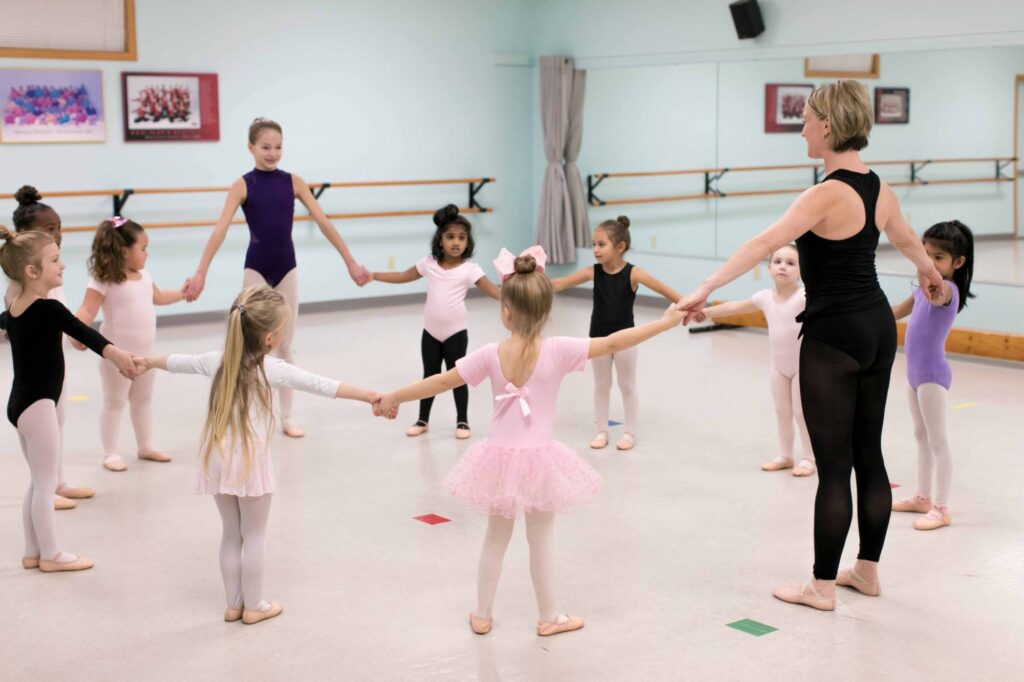
Learning in a supportive environment shapes both skill and confidence. At the Academy of Dance, small class sizes create the ideal setting for focused instruction. Students benefit from direct guidance that large groups often cannot provide. Instructors can observe each learner closely, identifying strengths and areas for improvement. Small classes allow students to feel seen and supported, promoting motivation and active participation. The advantages of this approach extend beyond technical growth to engagement, collaboration, and creativity. Understanding these benefits highlights why smaller classes are essential for effective learning.
Personalized Attention for Each Student
Small classes give instructors the ability to provide individualized support to every student. Teachers can correct posture, refine movements, and ensure techniques are executed accurately. This attention helps students progress faster and consistently, boosting both skill and confidence. Personalized feedback allows learners to understand mistakes clearly and encourages them to practice efficiently. Students who might struggle in a large class receive targeted guidance, while advanced learners are given challenges that suit their ability. This focused approach ensures no one is overlooked, fostering a productive and encouraging learning environment.
Stronger Teacher-Student Relationships
Close interactions in small classes create meaningful bonds between instructors and learners. Teachers learn about each student’s learning style, strengths, and areas needing improvement. These relationships foster trust and make students feel comfortable sharing challenges or asking questions. A supportive teacher-student connection enhances engagement and motivation while creating a positive atmosphere for learning. Students feel valued and recognized, which boosts confidence and dedication. Over time, these relationships form a foundation for continuous growth, improving both performance and satisfaction within the academy setting.
Increased Participation and Engagement
Small class sizes encourage students to take an active role in lessons. Fewer peers allow learners to ask questions without hesitation and contribute ideas freely. Students participate in discussions, practice techniques openly, and receive immediate feedback. This dynamic improves understanding, retention, and overall skill development. Teachers can guide participation, ensuring every student remains engaged and motivated. Students are more likely to remain focused and invested when their contributions are noticed. Active engagement in small classes nurtures a sense of belonging, creating an environment where learning becomes interactive and enjoyable.
Tailored Curriculum and Flexible Learning
Instructors can adapt lesson plans to the group’s needs in small classes. Challenging concepts can be introduced gradually, and students requiring extra support receive timely guidance. Flexibility allows creative exercises, practical activities, and individualized projects to be incorporated easily. Students progress at a pace suitable for their ability, which reduces frustration and increases confidence. This personalized learning ensures no student is left behind while high achievers are still challenged. Small classes offer the freedom to experiment with new techniques, adjust teaching methods, and maintain a balance between challenge and support.
Enhanced Collaboration and Teamwork
Small groups foster collaboration and peer support, enhancing social and interpersonal skills. Students learn to give constructive feedback, listen actively, and work together on group exercises or performances. Collaborative learning encourages accountability and shared problem-solving, creating a sense of community. Students gain confidence through peer interactions and learn the value of supporting one another. Close-knit teamwork in small classes develops communication skills, empathy, and leadership potential. The collaborative environment helps students feel comfortable, valued, and motivated to contribute actively to both group and individual success.
Better Monitoring of Progress
- Easier tracking of each student’s skill development
- Immediate and constructive feedback
- Early identification of learning challenges
- Personalized guidance to improve weak areas
- Opportunities for consistent improvement without pressure
Teachers in small classes can evaluate each student’s growth in real time. Detailed monitoring ensures areas needing attention are addressed promptly. Progress is measurable and transparent, allowing students to stay motivated. This structured approach helps maintain consistent development and fosters confidence in both the learning process and performance outcomes. Students experience a sense of accomplishment and clarity regarding their learning journey.
Reduced Stress and Increased Confidence
Students in small classes experience less pressure and competition, making learning enjoyable. A supportive setting allows them to make mistakes, experiment, and refine skills safely. Gradual mastery and recognition build self-esteem while encouraging independent expression. Confidence improves performance during practice sessions, examinations, and public presentations. Reduced stress enhances focus and motivation, helping students sustain long-term commitment. Small class sizes create an environment where learners feel secure, valued, and capable of achieving their full potential. This nurturing approach also contributes to emotional growth alongside skill development.
Greater Flexibility for Creative Activities
Smaller classes allow instructors to implement workshops, performances, and interactive exercises more effectively. Each student receives more hands-on practice, personalized feedback, and creative freedom to explore techniques. Stage time is optimized, ensuring learners gain practical experience and confidence. Tailored activities encourage experimentation and innovation, helping students express individuality. Small class flexibility ensures lesson plans remain adaptable to the group’s needs and creativity levels. Learners experience a comprehensive approach that balances technical skill, artistic exploration, and personal development, making the academy environment both inspiring and effective.
Conclusion
Small classes offer significant benefits in any academy setting. Personalized attention, stronger teacher-student relationships, active participation, and tailored lesson plans foster skill development and growth. Reduced stress, increased confidence, collaboration, and creative freedom further enhance the learning experience. Institutions like the Academy of Dance demonstrate that smaller classes allow every student to reach their potential and enjoy learning. Investing in small class sizes creates a productive, engaging, and supportive environment that nurtures talent, self-expression, and lifelong learning, resulting in better outcomes for students and instructors alike.
FAQs
How do small classes improve learning outcomes?
Small classes allow for focused attention, immediate feedback, and tailored instruction, leading to faster progress and better retention.
Do students feel less pressure in smaller classes?
Yes, reduced competition and stress make learners more comfortable experimenting and expressing creativity.
How does a small class support creativity?
Workshops, performances, and interactive exercises allow more hands-on practice and personalized feedback.
Can small classes enhance social skills?
Yes, collaboration and teamwork in small classes foster communication, empathy, and peer support s
Are small classes more effective for skill development?
Individual guidance, frequent monitoring, and tailored lessons make small classes highly effective for steady improvement.