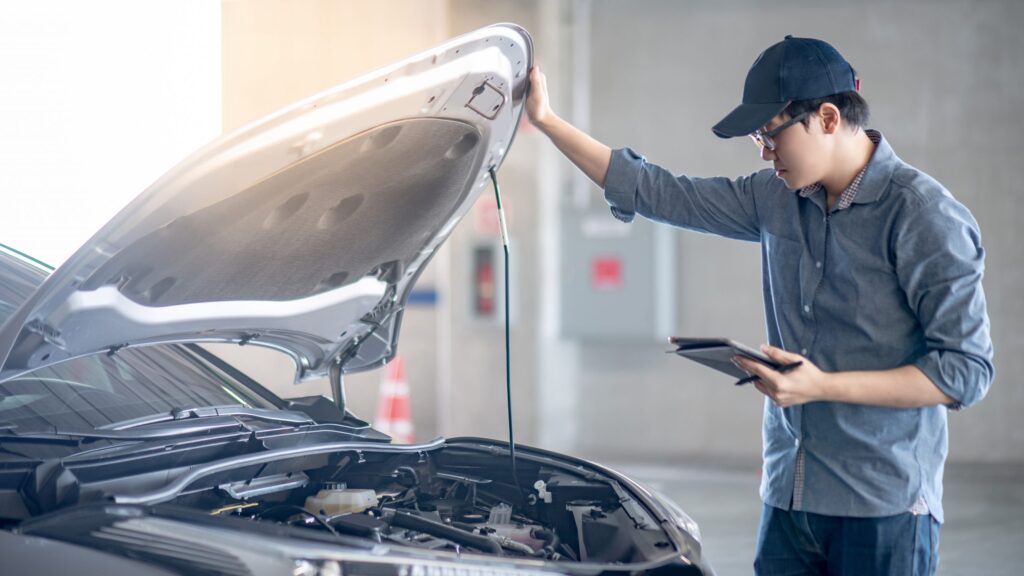
Modern vehicles rely heavily on advanced driver assistance systems, including radar, LiDAR, and cameras that provide safety functions like lane departure warnings, adaptive cruise control, and emergency braking. ADAS calibration services ensure these systems operate with accuracy and reliability. Improper calibration can compromise safety, lead to sensor errors, and increase repair costs. Technicians use specialized tools to adjust and verify sensor performance, maintaining optimal system function. Accurate calibration directly contributes to safer driving conditions, protecting drivers, passengers, and pedestrians.
Diagnostic Scanners
Diagnostic scanners connect to a vehicle’s electronic control units to retrieve sensor data, error codes, and system status. These scanners provide real-time monitoring and verification after calibration procedures. They allow technicians to detect misalignment, sensor drift, or communication issues that could compromise ADAS performance. Without diagnostic scanners, subtle errors in radar, LiDAR, or camera systems may go unnoticed. Accurate readings from these devices are essential for system reliability, legal compliance, and ensuring that advanced driver assistance systems perform as intended in real-world conditions.
Camera Calibration Tools
Camera calibration tools adjust the alignment of vehicle cameras that support ADAS functions such as lane keeping assist, pedestrian detection, and traffic sign recognition. Calibration devices use precise projection patterns to verify the field of view and ensure accurate detection. Modern tools are compatible with multiple vehicle models and designed for workshop efficiency. Correct calibration prevents false warnings or system errors, improving safety and driver confidence. These tools are indispensable for maintaining visual sensor reliability, ensuring cameras provide accurate data to electronic control units and advanced driver assistance systems.
Radar & LiDAR Calibration Tools
Radar and LiDAR sensors measure distance, speed, and object positioning, forming the backbone of many ADAS features. Calibration requires specialized targets, alignment jigs, and manufacturer-specific procedures. Proper calibration enhances adaptive cruise control, automatic emergency braking, and collision avoidance systems. Misaligned sensors can create false readings or blind zones, reducing system reliability. Technicians must follow precise procedures to maintain safety standards. Using radar and LiDAR calibration tools ensures consistent sensor communication with the vehicle’s control units, supporting accurate detection and reducing the risk of accidents.
Essential Calibration Equipment
- Calibration boards
- Target panels
- Laser alignment devices
- Tripods and stands
- Vehicle lifts or levelers
- Measurement software
These tools help technicians achieve accurate sensor positioning, verify angles, and ensure correct communication between visual and radar systems and the vehicle’s electronics. Proper equipment allows for repeatable calibration results, directly influencing ADAS performance. Each tool is designed to maintain sensor alignment within manufacturer specifications. Their combined use ensures that safety features operate reliably in all driving conditions, protecting both vehicles and occupants while complying with industry standards.
ADAS Alignment Software
ADAS alignment software guides technicians through calibration procedures with step-by-step instructions, automated measurements, and real-time feedback. It integrates with physical calibration equipment to fine-tune cameras and radar sensors accurately. The software logs calibration results for compliance and maintenance purposes, minimizing errors from manual adjustments. Using alignment software ensures that calibration meets manufacturer specifications and supports vehicle safety audits. Combined with physical tools, it provides a reliable workflow that enhances the accuracy of ADAS features, reducing liability risks and improving driver confidence in system functionality.
Wheel Alignment Machines
Wheel alignment affects ADAS sensor performance, as camber, caster, and toe angles influence radar and camera accuracy. Even minor deviations can cause system errors or misaligned warnings. Advanced wheel alignment machines provide precise measurements and often integrate with ADAS software for seamless calibration. Proper wheel alignment ensures that lane departure warnings, adaptive cruise control, and collision avoidance systems receive accurate input from vehicle sensors. Integrating mechanical alignment with electronic calibration supports overall system reliability, contributing to improved safety, reduced maintenance costs, and enhanced vehicle performance.
Environmental Considerations
Environmental conditions significantly impact calibration accuracy. Lighting, floor level, and nearby reflective objects can distort sensor readings during calibration. Workshops often use controlled spaces with specified distances, floor leveling, and consistent lighting to ensure precise results. Ignoring these factors can result in misaligned cameras, radar errors, and unreliable ADAS functionality. Technicians account for these variables to maintain repeatable calibration results. Proper environmental control ensures that sensors operate within manufacturer specifications, supporting system reliability, safety, and legal compliance, while reducing the likelihood of errors in advanced driver assistance systems.
Manufacturer-Specific Tools
Automakers supply proprietary calibration kits tailored to individual models. These kits ensure that sensors, cameras, and radar devices align with factory specifications. Using manufacturer-specific tools prevents misalignment and guarantees compatibility with vehicle software. Technicians who maintain access to these kits can calibrate systems accurately and preserve warranty coverage. Staying updated on new vehicle models and calibration requirements ensures that workshops deliver reliable ADAS performance. Applying the correct manufacturer tools ensures sensor accuracy, meets regulatory requirements, and maintains customer trust by adhering to original equipment standards.
Training & Certification Tools
Technicians require specialized training and practical experience to perform precise ADAS calibration. Training programs, simulators, and certification tools allow staff to practice procedures without risking vehicle safety. These tools help technicians understand sensor behavior, troubleshoot errors, and maintain adherence to manufacturer procedures. Continuous learning ensures that staff remain proficient with evolving technologies, supporting reliable calibration and high-quality service. Investing in training improves accuracy, reduces liability, and increases customer confidence, ensuring workshops meet professional standards and maintain consistent ADAS performance across all calibrated vehicles.
Conclusion
Advanced ADAS calibration depends on the right combination of tools, software, and skilled technicians. Diagnostic scanners, camera and radar calibration tools, wheel alignment machines, and manufacturer-specific kits are essential for precise sensor alignment. Controlled workshop environments and trained personnel ensure repeatable, accurate results. Following proper procedures protects drivers, passengers, and pedestrians while maintaining vehicle safety and compliance with regulations. Investing in quality calibration equipment, software, and training guarantees that ADAS systems function reliably, supporting the growing demands of modern vehicle safety technology.
FAQs
1. What is ADAS calibration?
ADAS calibration aligns vehicle sensors to ensure accurate operation of safety systems like lane departure warnings and adaptive cruise control.
2. Which tools are required for calibration?
Diagnostic scanners, camera and radar calibration tools, wheel alignment machines, and ADAS alignment software are essential.
3. How often should calibration be performed?
Calibration is recommended after collisions, windshield replacements, sensor upgrades, or when system warnings appear.
4. Can all automotive workshops perform ADAS calibration?
Only workshops with proper tools, controlled environments, and trained technicians can ensure precise calibration.
5. Are manufacturer-specific tools necessary?
Yes, proprietary tools guarantee compatibility with sensors, preserve warranties, and meet vehicle safety standards.