External wall insulation may appear costly, but there are government grants available in the UK to make it more affordable. The grants are aimed at solid-wall houses to minimize heat loss, support families struggling with high energy bills, and improve cold, unhealthy living conditions. Insulation increases home warmth, makes heating more affordable, reduces carbon emissions, and prevents energy waste. A trustworthy energy efficiency service can assist families with the insulation grant application process.
Not all people are aware of who qualifies for the most benefits. Some believe that everyone can readily avail themselves of them, while others believe that only those who claim benefits are eligible. The truth is that some people qualify for more benefits, usually because they live in old and inefficient homes with high winter heating bills. This guide will discuss who qualifies for the most benefits, why, and how grants impact their lives.
What Is External Wall Insulation?
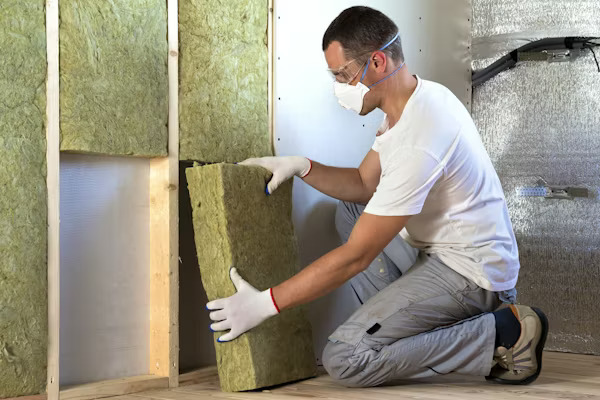
External wall insulation applies a protective material that covers the entire exterior of your residence. The insulation material creates a barrier that prevents heat loss through the solid wall construction. The system functions optimally in residential buildings that lack cavity wall construction. Solid wall construction represents the most common architectural feature found inUK housing stock from previous centuries. The heat loss through these walls exceeds the rate of heat loss through modern wall construction. The result is expensive and ineffective heating systems.
The insulation material gets attached to the exterior wall area. The installation process requires adding a protective weatherproof element. The installation process makes the home exterior look more appealing. The installation process makes the building warmer while its energy efficiency rises. The heating systems require less operating time to maintain room temperatures. This leads to decreased expenses for energy consumption.
Why Are External Wall Insulation Grants Offered?
The government wants to eliminate fuel poverty, which affects households. Fuel poverty occurs when people cannot afford their heating expenses. People who live in cold homes face health risks and physical discomfort. Cold homes create extra demand for healthcare resources. The government aims to achieve a reduction in carbon dioxide emissions. Energy consumption becomes inefficient because of poor building insulation.
The process leads to increased environmental pollution,n together with higher requirements for fuel resources. Enhanced building insulation systems achieve reduced energy consumption. The practice creates environmental protection benefits. Grants establish financial support for low-income households to access insulation materials. The service provides financial assistance to customers who require upgrading their equipment. The service enhances housing standards throughout the entire United Kingdom.
Households Living in Older Solid Wall Homes
People who own older properties from the past will receive the greatest benefits from these financial incentives. Most solid-wall homes were built before 1920. Energy efficiency functions as a design principle that these homes did not apply. The construction of their walls enables heat to escape through their structure. Residents experience cold sensations when the heating system operates. People in the area face high energy expenses during the entire winter season.
External wall insulation changes the current situation. The system maintains temperature control because it prevents heat from escaping the building. The system prevents outside cold air from entering the building space. The homes with this system installed achieve maximum energy efficiency. The buildings experience faster temperature increases while their heat retention lasts for extended periods. Every space in the building becomes more comfortable for the inhabitants. The result creates significant improvements for daily living activities.
Low-Income Households
Low-income households benefit strongly from insulation grants. They spend a higher part of their income on energy. Rising fuel prices hit them the hardest. Many low-income families delay heating use. They avoid turning the heating on during cold days. This puts health at risk. External wall insulation lowers heating costs. Homes stay warm for longer periods.
Some families qualify through income-based benefits. Others qualify through low household income levels. Local Authority Flex schemes also support low earners. This includes households earning under certain thresholds. These grants protect families from cold stress. They also reduce monthly energy bills. This helps manage finances better.
People Receiving Government Benefits
Many benefit recipients qualify for insulation grants. These benefits show financial vulnerability. They help target support to those in need. Common qualifying benefits include:
- Income-Based Jobseeker’s Allowance (JSA)
- Income Related Employment & Support Allowance (ESA)
- Income Support Allowance (ISA)
- Working Tax Credit (WTC)
- Child Tax Credit (CTC)
- Universal Credit (UC)
- Pension Guarantee Credit
- Pension savings Credit
These households often struggle with heating costs. The grants enable them to complete essential home renovations. The upgrades become financially unfeasible without financial assistance. Insulated homes provide better comfort and health benefits. The system decreases the need for costly heating solutions.
Pensioners and Elderly Residents
Warm homes provide essential benefits to elderly individuals. The cold weather conditions lead to more severe health problems. The cold weather conditions create higher risks for chest infections and heart disorders. Many pensioners live in older properties. These homes are often poorly insulated. Energy bills can be difficult to manage on pensions.
External wall insulation keeps homes warmer. The system reduces the need for frequent heating operations. The system helps to maintain constant indoor temperature levels. Pensioners enjoy their residence because it provides them with secure and healthy surroundings. The system provides them with cost savings that result from decreased utility expenses.
Families with Young Children
Children require homes that provide both heat and consistent temperature control. Cold homes lead to both health issues and physical discomfort. The conditions also disrupt sleep and decrease school performance. Families face challenges when they need to heat their expansive homes. Rising costs make budgeting difficult. External wall insulation reduces the need for heating. Homes become warmer through natural heating processes.
Parents experience less anxiety regarding their heating costs. Children maintain better health throughout the winter season. The result benefits the entire family unit. Grants enable families to make home improvements that they can pay for without taking on debt. The system generates energy savings that will last for an extended period.
People with Cold-Related Health Conditions
Some people qualify through health vulnerability. Cold conditions worsen breathing and circulation issues. They also increase hospital visits. Examples of cold-related conditions include: Asthma, Chronic bronchitis, Heart disease, Arthritis, and weakened immune systems.
External wall insulation stabilizes indoor temperatures. It keeps homes warmer during cold weather. This reduces health risks. Local Authority Flex routes support these households. Doctors or councils may confirm eligibility. This ensures support reaches vulnerable residents.
Social Housing Tenants
Social housing tenants benefit through landlord participation. Housing associations aim to improve property standards. Many older social homes have solid walls. Grants help landlords upgrade multiple properties. Tenants enjoy warmer homes without extra rent. Energy bills decrease immediately after insulation. This improves living conditions across communities. It also reduces long-term housing maintenance costs.
Private Renters in Eligible Properties
Private renters may also benefit from insulation grants. This depends on landlord approval and property eligibility. Landlords receive funded upgrades. Tenants gain warmer and cheaper homes. This creates shared benefits. Energy efficiency increases property value. Tenant satisfaction also improves.
Rural and Off-Gas Grid Homes
Rural homes often rely on expensive fuels. These include oil, LPG, or electric heating. These fuels cost more than mains gas. External wall insulation reduces heat loss. Heating systems work less frequently. Fuel use drops significantly. This is vital for off-grid households. Energy savings become more noticeable. Living becomes more affordable year-round.
Homes with Very Poor EPC Ratings
Homes with EPC ratings of D, E, F, or G benefit most. These homes waste large amounts of heat. Insulation improves EPC scores. Better ratings increase property value. They also meet future housing standards. Comfort improves instantly after installation. Grants focus on these inefficient properties. They create the biggest impact.
How External Wall Insulation Changes Daily Life
Homes retain warmth even when heating systems are not operational. The rooms maintain constant temperature levels. The system eliminates all cold areas. Heating systems operate less frequently. The system leads to considerable reductions in energy expenses. The system also decreases exterior sound disturbances.
The homes have a contemporary appearance. The property undergoes improvements that enhance its entire appearance. The new system provides better protection against weather elements. The alterations enhance living standards while delivering enduring financial benefits.
Who Does Not Benefit as Much?
The insulation options for cavity wall homes prove less beneficial because they already possess more affordable insulation solutions. The energy-efficient design of modern homes already exists throughout the entire building. High-income households may not qualify. Grants target financial vulnerability. Support is limited to priority groups.
How to Know If You Benefit Most
You benefit most if your home: Has solid walls, Has poor insulation, Has a low EPC rating, Uses expensive heating fuels. You benefit most if you: Have low income, receive government benefits, have health conditions Are elderly, or have children. These factors increase eligibility chances. They also increase energy savings.
Final Thoughts
External wall insulation grants help those who need it most. They protect vulnerable people from cold homes. They reduce fuel poverty across the UK. Low-income families benefit the most. Elderly residents gain safety and comfort. Children enjoy healthier environments. People with illnesses get warmer homes. Older solid wall homes see the biggest improvements.
Rural homes save more on heating costs. Poor EPC homes become energy efficient. These grants are not just financial support. They are long-term health and comfort investments. They make homes warmer, safer, and cheaper to run. Understanding eligibility helps people take action. Support is available for those who qualify. External wall insulation can transform daily living.