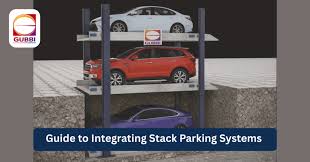
Urban India is facing a serious parking crisis due to rapid vehicle growth, limited land availability, and rising real estate costs. Cities like Mumbai, Pune, Delhi, and Bengaluru struggle to accommodate increasing car ownership. Traditional parking methods consume excessive ground space and often lead to congestion. This situation has created a strong demand for smarter alternatives like stack parking system, which allows multiple vehicles to be parked vertically within the same footprint.
What Is a Stack Parking System?
A stack parking system is a mechanical parking solution designed to maximize space by stacking cars vertically. It operates using hydraulic or motor driven platforms that lift vehicles to create multiple parking levels. This approach reduces land usage while improving parking efficiency. Many residential societies, commercial buildings, and malls now rely on stack parking to solve space constraints without expanding physical infrastructure.
Why Stack Parking Is Gaining Popularity
The growing popularity of stack parking comes from its ability to address urban parking shortages effectively. It helps property owners accommodate more vehicles without acquiring additional land. Developers prefer it because it reduces construction costs compared to building multi level parking structures. With increasing car ownership across India, car park solutions in India like stack parking are becoming essential rather than optional for modern infrastructure planning.
Types of Stack Parking Systems Available
There are several types of stack parking systems designed to meet different needs and budgets. Two level stack parking is the most common option for residential complexes. Multi level stack systems are ideal for commercial spaces with high vehicle flow. Puzzle parking systems provide automated movement between slots. Each type offers flexibility depending on available space, traffic volume, and operational requirements in modern parking management systems.
How Stack Parking Systems Work
A stack parking operates through a lifting mechanism that raises or lowers platforms to create space for vehicles. The driver parks the car on a platform, and the system lifts it to the designated level. Safety locks ensure stability during operation. Advanced versions include automated controls and sensors. This technology driven process makes mechanical car parking systems reliable, safe, and efficient for daily use.
Key Benefits of Stack Parking Systems
The biggest advantage of stack parking is its space saving capability. It can double or even triple parking capacity within the same area. It reduces traffic congestion inside premises and improves vehicle organization. Property owners benefit from higher parking revenue potential. Additionally, it enhances security by limiting unauthorized vehicle movement. These advantages make automated parking solutions increasingly popular across residential and commercial projects.
Stack Parking for Residential Buildings
Residential societies in crowded cities often struggle with parking disputes due to limited space. Stack parking systems help housing complexes accommodate more vehicles without altering building layouts. Residents benefit from organized parking and reduced conflicts over space allocation. These systems also increase property value because modern buyers prefer buildings equipped with efficient smart parking solutions that support growing vehicle ownership trends.
Stack Parking for Commercial Spaces
Commercial establishments like malls, offices, and hospitals require efficient parking to handle heavy daily traffic. Stack parking systems allow businesses to provide adequate parking without expanding land area. This improves customer convenience and reduces waiting time for parking slots. Commercial developers increasingly invest in multi level car parking systems because they enhance user experience while maximizing return on available real estate.
Role of Technology in Modern Parking Solutions
Technology has transformed stack parking systems by introducing automation, sensors, and digital controls. Modern systems use smart software to track vehicle positions and manage parking allocation efficiently. Some solutions integrate mobile apps for slot booking and real time availability updates. These advancements make intelligent parking systems more user friendly, reliable, and suitable for large scale urban infrastructure projects.
Cost Efficiency of Stack Parking Systems
One of the major reasons developers choose stack parking is cost efficiency. Compared to constructing multi storey parking structures, stack systems require lower investment and less construction time. Maintenance costs are also manageable with proper servicing. This makes them a practical option for both small residential projects and large commercial complexes seeking affordable parking solutions in India.
Environmental Benefits of Stack Parking
Stack parking systems contribute to environmental sustainability by reducing the need for large parking spaces. They help minimize land use and reduce heat absorption from extensive paved areas. Efficient parking also decreases vehicle idling time, lowering emissions. These environmental benefits align with the growing demand for eco friendly parking systems in modern urban planning initiatives.
Safety Features in Stack Parking Systems
Safety is a crucial aspect of any mechanical parking solution. Stack parking systems include features like anti fall locks, emergency stop buttons, and overload protection. Sensors ensure proper vehicle positioning before operation begins. Regular inspections further enhance reliability. These safety measures make hydraulic parking systems dependable for everyday use in residential and commercial environments.
Maintenance Requirements for Stack Parking
Regular maintenance is essential to ensure smooth functioning of stack parking systems. Routine inspections help identify wear and tear in hydraulic components, motors, and control systems. Proper lubrication and timely servicing prevent breakdowns and extend system life. Maintenance also ensures safety compliance, making mechanical parking equipment reliable for long term operation in high usage areas.
Challenges Associated With Stack Parking
Despite its advantages, stack parking has certain limitations. It requires proper training for operators and users to avoid operational errors. Power outages can temporarily affect functionality unless backup systems are installed. Some users may initially find the process unfamiliar. However, with awareness and technological improvements, these challenges are gradually being addressed in modern urban parking solutions.
Growing Demand for Car Park Solutions in India
India’s expanding urban population and rising vehicle ownership have significantly increased demand for efficient parking solutions. Government initiatives promoting smart cities are also encouraging advanced parking infrastructure. Developers now prioritize parking planning during project design. This trend indicates strong future growth for car park solutions in India, especially in metro cities facing severe space constraints.
Stack Parking in Smart City Development
Smart city projects across India emphasize efficient resource utilization, including parking management. Stack parking systems support these goals by optimizing land use and integrating with digital infrastructure. They can be connected to smart traffic management systems for better urban planning. This makes automated car parking technology an important component of future ready city development initiatives.
Factors to Consider Before Installing Stack Parking
Before installing a stack parking system, property owners must evaluate space availability, vehicle volume, and budget constraints. Proper site assessment ensures optimal system selection. It is also important to consider power supply, maintenance access, and safety compliance. Careful planning helps maximize benefits and ensures long term efficiency of modern parking infrastructure solutions.
Future Trends in Stack Parking Systems
The future of stack parking systems includes greater automation, AI integration, and remote monitoring capabilities. Fully automated parking towers and robotic parking solutions are already emerging in major cities. These advancements aim to improve efficiency and reduce human intervention. As technology evolves, next generation parking systems will play a key role in addressing urban mobility challenges.
Stack parking systems have become an essential solution for India’s urban parking challenges. They offer space efficiency, cost savings, and technological convenience while supporting sustainable development. With increasing demand for organized parking in residential and commercial sectors, these systems are set to become a standard feature in modern infrastructure. Investing in stack parking system technology ensures long term benefits for both property owners and urban planners.