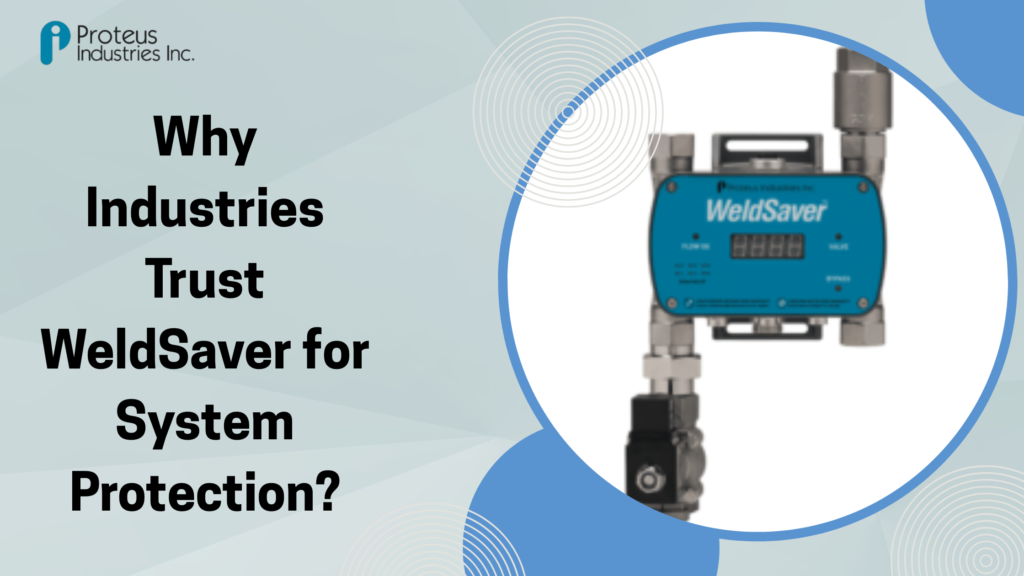
In modern manufacturing, even a small system failure can lead to costly downtime, product damage, and safety risks. That’s why industries today rely on smart protection systems to keep operations running smoothly. One such trusted solution is WeldSaver, a technology designed to detect leaks, prevent failures, and protect critical equipment in real time.
From automotive plants to heavy industrial facilities, WeldSaver has become an essential part of system protection. But what makes it so reliable? Let’s break it down in a simple, practical way.
What Is WeldSaver?
WeldSaver is an advanced leak detection and shut-off system used in industrial environments. It is commonly installed in welding and fluid handling systems to monitor flow and instantly respond to irregularities.
In simple words, it acts like a safety guard for your system—constantly checking if everything is working properly and stepping in the moment something goes wrong.
Why System Protection Matters in Industry
Before we dive deeper, it’s important to understand why system protection is such a big deal.
In industries like automotive manufacturing or metal fabrication:
- Machines run continuously for long hours
- Even a small leak can damage expensive equipment
- Downtime can cost thousands of dollars per hour
Without a proper protection system, small issues can quickly turn into major failures.
That’s where WeldSaver makes a difference.
Key Reasons Industries Trust WeldSaver
1. Real-Time Leak Detection
One of the biggest advantages of WeldSaver is its ability to detect leaks instantly.
Instead of waiting for visible damage, the system:
- Monitors fluid flow continuously
- Detects even minor irregularities
- Alerts the system immediately
This real-time response helps prevent serious damage before it happens.
2. Automatic Shut-Off for Safety
When a leak or abnormal condition is detected, WeldSaver doesn’t just alert—it acts.
- Automatically shuts off the system
- Stops fluid flow immediately
- Prevents further damage
This quick response is critical in high-speed industrial environments where every second matters.
3. Reduces Downtime
Downtime is one of the biggest challenges in any industry.
WeldSaver helps reduce downtime by:
- Catching problems early
- Preventing major system failures
- Allowing quick troubleshooting
Instead of dealing with long repairs, teams can fix issues quickly and get back to work.
4. Protects Expensive Equipment
Industrial equipment is a major investment. Damage caused by leaks or pressure issues can be extremely costly.
WeldSaver protects:
- Welding guns
- Cooling systems
- Fluid handling components
By preventing damage, it helps extend the life of your equipment.
5. Improves Operational Efficiency
When systems run smoothly, productivity increases.
With WeldSaver:
- Fewer interruptions
- More consistent performance
- Better overall workflow
This leads to improved efficiency across the entire production line.
6. Easy Integration with Existing Systems
Another reason industries trust WeldSaver is its flexibility.
It can be easily integrated into:
- New systems
- Existing production lines
- Automated setups
This makes it a practical choice for both small and large operations.
7. User-Friendly Design
Despite being advanced, WeldSaver is designed to be simple to use.
- Easy-to-read interface
- Clear alerts and indicators
- Minimal training required
Operators can quickly understand and manage the system without complications.
8. Supports Industry Automation
As industries move towards automation and smart manufacturing, WeldSaver fits perfectly into this trend.
It works well with:
- Automated welding systems
- Robotic production lines
- Smart factory setups
This makes it a future-ready solution for modern industries.
Industries That Benefit from WeldSaver
WeldSaver is widely used across multiple sectors, including:
Automotive Industry
Used in robotic welding systems where precision and safety are critical.
Manufacturing Plants
Helps maintain smooth operations in high-volume production lines.
Metal Fabrication
Protects equipment used in cutting, welding, and shaping metals.
Heavy Industries
Ensures safety in large-scale operations where system failures can be costly.
How WeldSaver Works (Simple Explanation)
Here’s a quick breakdown of how it operates:
- Monitors fluid flow in real time
- Detects any unusual change or leak
- Sends an alert to the system
- Automatically shuts off flow if needed
This entire process happens within seconds, ensuring maximum protection.
Cost vs Value
While investing in a system like WeldSaver may seem like an extra expense, it actually saves money in the long run.
It helps reduce:
- Repair costs
- Equipment replacement
- Production downtime
And improves:
- System reliability
- Safety standards
- Long-term efficiency
So, instead of being a cost, it becomes a smart investment.
Safety and Compliance Benefits
Industrial safety is not just important—it’s mandatory.
WeldSaver helps companies:
- Meet safety standards
- Reduce workplace risks
- Prevent accidents caused by leaks or failures
This makes it a valuable tool for compliance and risk management.
The Future of System Protection
As industries continue to evolve, the need for smarter protection systems will only grow.
Technologies like WeldSaver are leading the way by offering:
- Real-time monitoring
- Automated responses
- Integration with smart systems
This shift towards intelligent protection is shaping the future of industrial operations.
Final Thoughts
So, why do industries trust WeldSaver for system protection?
The answer lies in its reliability, speed, and efficiency. From detecting leaks instantly to preventing costly damage, it plays a crucial role in keeping industrial systems safe and productive.
In a world where downtime and equipment failure can have serious consequences, having a dependable system like WeldSaver is no longer optional—it’s essential for modern industry.