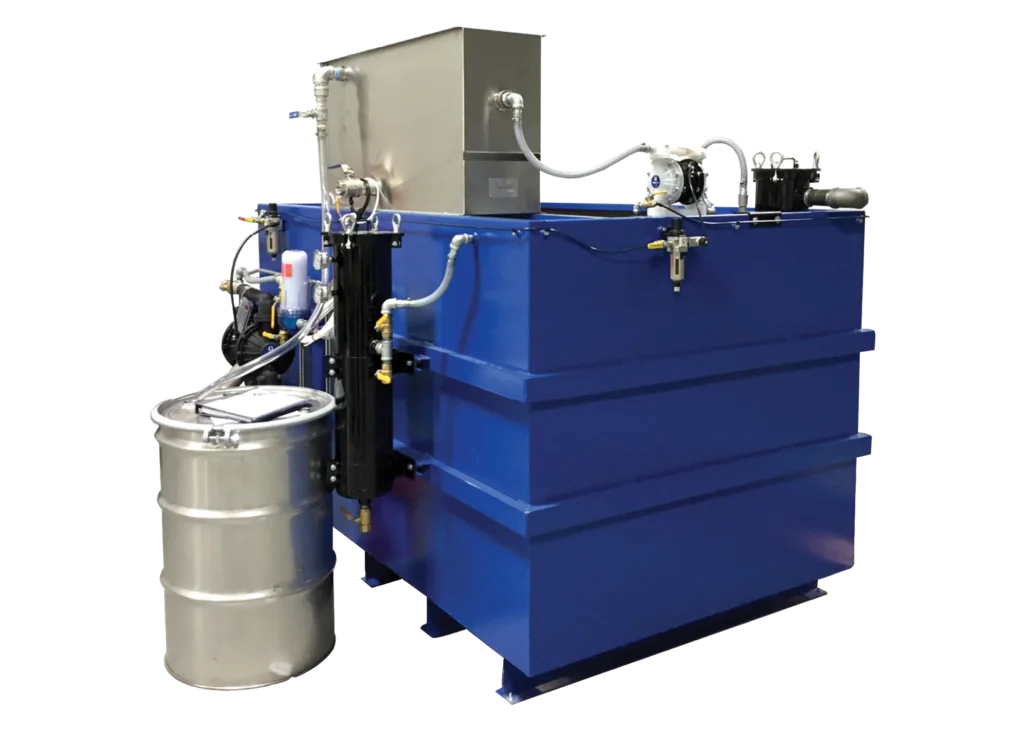
Most CNC shops still treat coolant like a necessary headache. They dump it when it gets dirty, buy more, and keep rolling. But industrial coolant recycling systems change that whole approach. I’ve seen shops cut fluid costs hard and pick up real productivity at the same time. The benefits stack up once the system is running right. Pair it with a solid bag filter housing and the results get even better. Here’s what actually shows up on the floor.
Longer Coolant Life Across the Shop
Industrial coolant recycling systems stretch the life of your fluid far beyond the old dump-and-replace cycle. Instead of tossing sumps every couple weeks, many shops push the same coolant for months. The recycling loop removes fines, tramp oil, and bacteria that kill fluid early. You buy concentrate less often. That alone frees up cash and storage space. In busy CNC cells the difference is obvious after the first few months.
Lower Disposal and Hauling Costs
Hauling dirty coolant costs more every year. Industrial coolant recycling systems cut the volume you send out. Some operations drop disposal trips by half or more. Less waste means fewer manifests, fewer truck appointments, and less time tracking paperwork. The money saved usually covers a good chunk of the system itself. Shops that used to dread the disposal bill notice the change fast.
Better Tool Life and Fewer Changes
Dirty coolant chews up tools. Fines and degraded fluid act like grit on inserts and end mills. A working industrial coolant recycling system keeps the fluid cleaner so tools last longer. Operators change inserts less often and stay on the machine. Cycle times improve because you’re not stopping for tool swaps as much. The gain is quiet but it shows up in the tool crib numbers.
More Consistent Part Quality
When coolant quality swings, so does surface finish and dimensional accuracy. Industrial coolant recycling systems hold concentration and cleanliness steadier. Parts come off with fewer surprises. Less scrap, less rework, less time spent chasing offsets. Quality guys stop complaining as much. For shops running tight tolerances this benefit alone can justify the equipment.
Reduced Machine Downtime
Fluid-related stops kill output. Dumping sumps, cleaning tanks, waiting on fresh coolant—all of it takes machines offline. Industrial coolant recycling systems cut how often that happens. Machines stay in cut longer. I’ve watched cells pick up extra spindle hours simply because the fluid stayed usable. Downtime that used to feel normal starts looking like waste.
Stronger Performance from Bag Filter Housings
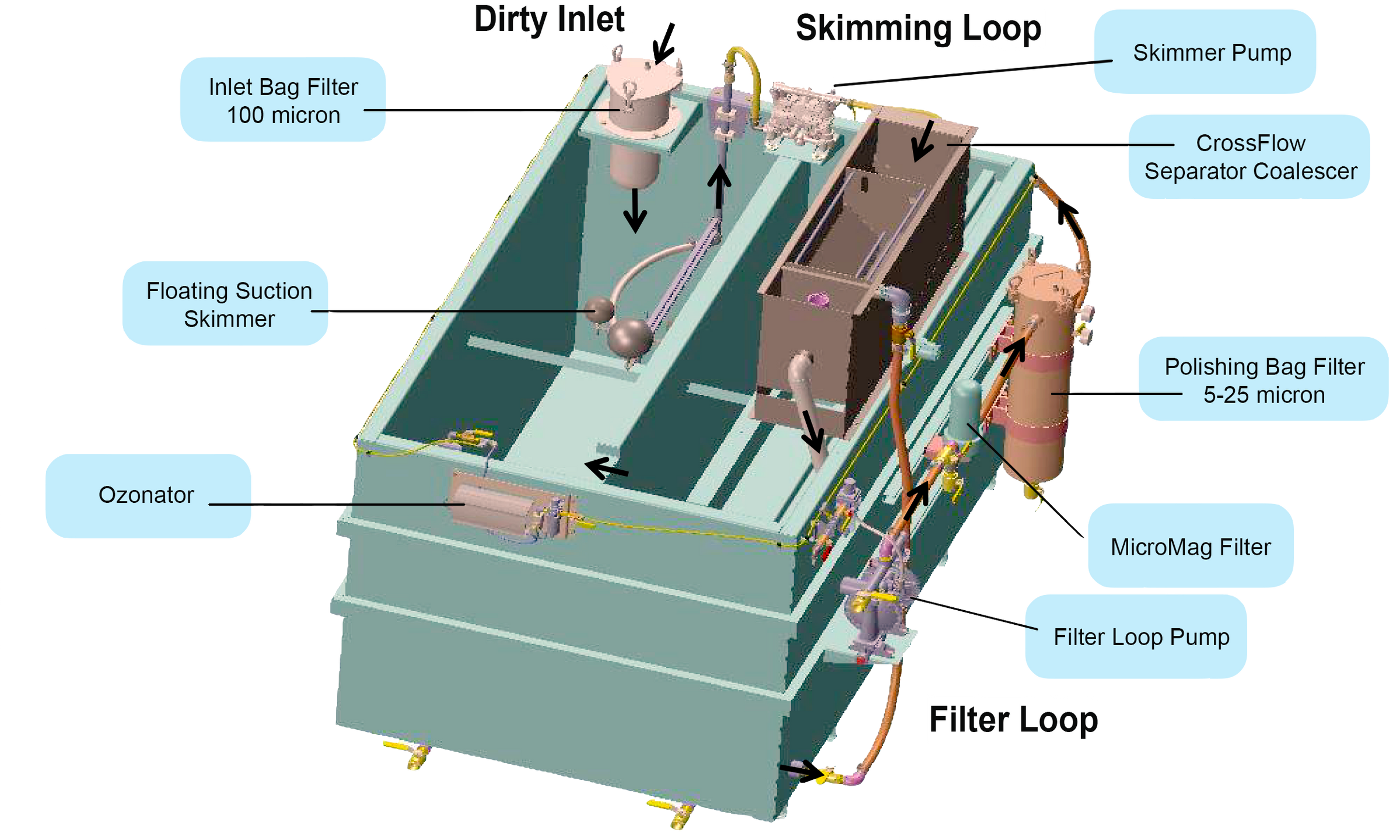
A bag filter housing works better when the bulk of the dirt is already controlled by the recycling system. The bags don’t load as fast. Pressure drop stays lower. You change bags less often and keep flow rates steadier. Many shops run a bag filter housing as the primary stage and let the industrial coolant recycling system handle the finer work. The two pieces complement each other instead of fighting.
Cleaner Shop Air and Less Odor
Old coolant turns rancid. Bacteria create that familiar shop smell that clings to clothes and makes people complain. Industrial coolant recycling systems reduce the bacterial load and keep fluid fresher. Air quality improves. Operators notice. Attendance and morale both get a small lift when the place doesn’t reek. It’s not the flashiest benefit, but it matters on long shifts.
Lower Makeup Fluid Purchases
Every time you dump, you buy new. Industrial coolant recycling systems recover most of the fluid so makeup purchases drop hard. Some shops cut concentrate orders by 40 or 50 percent. The savings compound. That money can go toward tooling, maintenance, or extra shifts instead of more barrels of coolant. The purchasing department usually likes this one.
Easier Environmental Compliance
Regulations around coolant disposal keep tightening. Industrial coolant recycling systems generate less waste and make tracking simpler. Fewer loads leaving the building means fewer chances for paperwork mistakes or surprise inspections. Shops that already struggle with environmental rules find the system takes pressure off. It’s not just about being green—it’s about staying out of trouble.
Clear Return on Investment Through Higher Output
The real payoff shows in parts out the door. Longer tool life, less downtime, steadier quality, and lower fluid costs all push productivity up. Industrial coolant recycling systems pay for themselves through higher spindle utilization and lower operating expenses. Add a reliable bag filter housing into the loop and the filtration side stays efficient longer. Shops that track the numbers usually see the system earn its keep within the first year or two.
Conclusion
Industrial coolant recycling systems deliver more than just cleaner fluid. They cut costs, protect tools, stabilize quality, and free up machine time that used to disappear into fluid chores. Running a bag filter housing alongside the recycler makes the whole setup more robust. The shops that still dump and replace are leaving money and capacity on the table. Once you stop treating coolant as disposable and start treating it as a controlled process, the benefits show up across the floor—every shift, every week.
FAQ
How much can industrial coolant recycling systems actually save a CNC shop? Savings vary, but many operations cut fluid purchases and disposal costs by 30 to 50 percent. Tool life and uptime gains add more on top of that.
Do industrial coolant recycling systems work with existing bag filter housings? Yes. Most systems integrate cleanly. The bag filter housing often serves as the first stage while the recycler handles finer separation and oil removal.
How long does it take to see results after installing one? Fluid life and disposal volume improve within weeks. Tool life and productivity numbers usually become clear after one or two months of steady running.
Are industrial coolant recycling systems hard to maintain? Daily checks are simple—monitor pressure, empty tramp oil, and change filter media on schedule. Most shops handle it with existing maintenance staff.