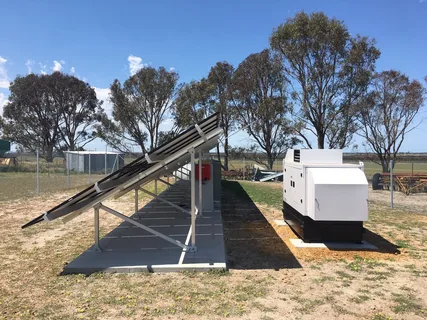
A stand alone solar power system represents a transformative solution for generating electricity independently from the main grid. These systems utilise renewable energy sources, such as solar power, to provide a consistent and sustainable energy supply. Designed to operate autonomously, they are particularly advantageous in remote locations or areas lacking access to conventional power infrastructure. By enabling energy production at the point of use, stand-alone power systems reduce reliance on fossil fuels, promoting environmental sustainability. Their versatility allows them to be deployed across a wide range of applications, from residential and commercial purposes to critical services such as healthcare and emergency response. These systems not only facilitate energy access in isolated areas but also contribute to reducing greenhouse gas emissions, aligning with global efforts to mitigate climate change. Stand-alone power systems highlight the potential of renewable energy to support modern energy demands.
Understanding Stand-alone Solar Systems
Stand-alone solar systems function by harnessing solar energy through photovoltaic panels, converting sunlight into electricity. These systems operate independently of the main grid, offering a self-sufficient energy solution. Electricity generated during the day can be utilised immediately or stored in batteries for later use, ensuring a continuous power supply even during the night or periods of low sunlight.
Stand-alone solar systems are particularly valuable in off-grid areas, providing a sustainable and renewable energy source. Their design allows for adaptability across various applications, from small residential setups to larger-scale operations.
Additionally, these systems minimise environmental impact by reducing dependence on fossil fuels and lowering greenhouse gas emissions. By facilitating localised energy production, stand-alone solar systems contribute to long-term sustainability and support efforts to transition towards cleaner energy solutions in both rural and urban contexts.
Components of Stand-alone Solar Power Systems
Stand-alone solar power systems consist of several key components that work together to generate, convert, and store energy effectively. Photovoltaic panels serve as the primary element, capturing sunlight and converting it into direct current (DC) electricity. To make this electricity suitable for use in homes and businesses, an inverter is employed to convert DC into alternating current (AC). Batteries play a vital role in storing surplus energy produced during daylight hours, ensuring power is available during periods of low sunlight or at night.
Charge controllers are also integral, regulating the flow of energy between the solar panels, batteries, and connected devices, preventing overcharging and extending battery lifespan. The combination of these components ensures that stand-alone solar power systems operate efficiently and reliably, offering an autonomous and sustainable energy solution for a variety of applications.
Residential Uses of Stand Alone Solar System
A stand alone solar system provides an independent energy solution for residential properties, particularly in remote or off-grid locations. These systems enable households to generate electricity locally, eliminating the need for connection to the main grid. By harnessing renewable energy sources, such as solar power, they reduce reliance on fossil fuels and contribute to lower carbon emissions.
Batteries within the system allow energy storage, ensuring a reliable power supply during the night or periods of low sunlight. This ensures uninterrupted access to essential household services such as lighting, heating, and refrigeration. Stand-alone power systems also offer financial advantages, as they eliminate electricity bills and reduce expenses associated with extending grid connections.
Their versatility allows them to adapt to a range of residential needs, enhancing energy access and fostering sustainable living in isolated or underserved communities.
Commercial Applications of Stand-alone Systems
Stand-alone power systems play a significant role in commercial settings, particularly for businesses operating in remote or off-grid locations. They offer a dependable energy source that eliminates the need for costly grid connections and extensive infrastructure. Such systems are especially advantageous for industries requiring continuous power, ensuring operational stability regardless of external energy availability.
By integrating renewable energy, stand-alone systems help reduce operational costs and carbon footprints, aligning commercial practices with environmental sustainability. Additionally, these systems enhance energy independence, mitigating risks associated with grid outages or fluctuations.
Applications in commercial sectors can range from powering rural offices and workshops to supporting eco-friendly lodges and manufacturing facilities. The flexibility of stand-alone systems allows businesses to customise solutions based on their energy demands, promoting efficient resource utilisation and fostering sustainable growth within the commercial landscape.
Stand-alone Systems in Agricultural Settings
Stand-alone power systems have transformed agricultural operations, particularly in off-grid and rural areas. These systems provide a dependable energy source for running essential farming equipment, including water pumps for irrigation. Solar-powered irrigation systems enable efficient water distribution, improving crop yields and reducing dependency on diesel or petrol-powered pumps.
Additionally, stand-alone systems supply electricity for refrigeration, preserving perishable produce and reducing post-harvest losses. By powering lighting and machinery, they also allow farmers to extend their working hours and enhance productivity. The integration of renewable energy in agriculture contributes to lower operational costs while promoting sustainable farming practices.
Furthermore, these systems support livestock farming by powering ventilation systems and automatic feeders, ensuring better animal welfare. Their adaptability ensures they can be tailored to suit various agricultural needs, making them an invaluable asset for modern, energy-efficient farming.
Environmental Impact of Stand-alone Systems
Stand-alone power systems significantly contribute to reducing environmental degradation by relying on renewable energy sources such as solar power. Unlike traditional energy generation methods, they eliminate the need for fossil fuels, thereby lowering greenhouse gas emissions and air pollution. These systems support a transition towards sustainable energy practices, aligning with global efforts to combat climate change.
Additionally, their deployment in remote or off-grid areas minimises the ecological footprint associated with extending conventional power infrastructure. By enabling localised energy production, stand-alone systems help conserve natural resources and protect ecosystems.
Their ability to deliver clean, renewable energy highlights their potential in fostering a sustainable future, making them an essential tool for addressing environmental concerns while meeting energy demands.
Emergency and Disaster Relief Applications
Stand-alone power systems play a crucial role in emergency and disaster relief scenarios by providing an independent and dependable energy source when conventional infrastructure fails. These systems enable the operation of essential equipment such as communication devices, medical tools, and lighting in affected areas.
Their capability to function without reliance on external power grids ensures that critical services remain operational, even in isolated or disaster-stricken regions. Stand-alone power systems are particularly valuable in settings where rapid deployment is necessary, as their design allows for efficient installation and immediate functionality.
By supporting disaster response efforts, these systems enhance the resilience and effectiveness of emergency operations while contributing to the stabilisation of impacted communities.
Remote Research and Exploration
Stand-alone power systems are integral to supporting research and exploration activities in remote or isolated regions. They provide a reliable energy source for powering essential equipment such as data collection tools, communication devices, and monitoring systems. These systems enable uninterrupted operation in environments far from conventional power infrastructure, ensuring that scientific missions can proceed without disruption.
By utilising renewable energy sources, stand-alone systems reduce the environmental impact of research activities, aligning with sustainability objectives. Their modular design allows for easy transportation and installation, making them particularly well-suited to challenging terrains such as polar regions, deserts, or dense forests. These systems enhance the feasibility and efficiency of conducting fieldwork in areas previously inaccessible due to energy limitations.
Tourism and Recreational Uses of Stand Alone Power System
A stand alone power system is increasingly utilised in tourism and recreational facilities located in remote areas. These systems provide a reliable and sustainable energy source, enabling the operation of essential services such as lighting, heating, and cooling. They support the functionality of eco-friendly lodges, campsites, and recreational vehicles, aligning with environmentally-conscious travel practices.
By eliminating the need for grid connectivity, stand-alone systems allow tourism operators to establish facilities in off-grid locations, enhancing visitor experiences. Their reliance on renewable energy sources reduces the environmental impact of operations, promoting sustainable tourism.
Additionally, these systems ensure uninterrupted power supply, supporting the comfort and convenience of guests in remote destinations while contributing to broader efforts towards environmentally responsible travel and leisure activities.
Military and Defence Applications
Stand-alone power systems are essential for military and defence operations in remote and off-grid locations. They provide a dependable energy source for critical equipment, including communication devices, surveillance systems, and operational tools. These systems enhance energy security by reducing reliance on traditional fuel supply chains, which are often vulnerable to disruptions. Their adaptability allows for efficient deployment in challenging terrains, ensuring uninterrupted power in isolated areas.
By integrating renewable energy, such systems align with sustainability goals while supporting long-term operational efficiency. The reliability and resilience of stand-alone power systems make them a vital asset for modern military and defence applications.
Education and Health Infrastructure
Stand-alone power systems provide vital support to education and healthcare facilities in remote or off-grid areas. By supplying electricity, these systems enable schools to utilise electronic teaching tools and ensure uninterrupted operation of lighting and other essential resources. In healthcare settings, they power critical medical equipment, refrigeration for vaccines, and diagnostic devices, enhancing the quality of services available.
The incorporation of renewable energy reduces reliance on traditional power sources, promoting sustainability. Furthermore, stand-alone systems facilitate the implementation of digital education programmes and telemedicine, bridging gaps in access to learning and healthcare, particularly in underserved and isolated communities.
Conclusion
A stand alone solar power system represents an innovative, resilient energy solution capable of operating entirely independent of the electrical grid. By combining photovoltaic solar panels, advanced battery storage, charge controllers, and inverters, these self-sufficient installations generate clean, reliable electricity wherever required. From powering off-grid homes, commercial operations, and agricultural irrigation to supporting remote research, emergency disaster relief, defence, and healthcare infrastructure, stand-alone systems eliminate fossil fuel dependency. Investing in autonomous solar technology reduces operational overheads, minimizes environmental degradation, and guarantees uninterrupted power delivery across isolated communities and regional areas throughout Australia.
FAQs
How does a stand alone solar power system differ from a grid-connected system?
A stand alone solar power system operates completely independently without any physical connection to the local main power grid. Grid-connected systems feed excess electricity back into public networks and draw power when production is low, whereas stand-alone systems rely on dedicated battery storage banks to retain generated solar energy for continuous off-grid power usage across Australia.
What essential components are required for a complete stand-alone solar power system?
A complete stand-alone solar power system requires high-efficiency photovoltaic solar panels to capture sunlight, a battery bank to store surplus electricity, a solar charge controller to manage battery charging and prevent overcharging, and an inverter to convert stored direct current power into alternating current electricity for standard appliances.
Can a stand-alone solar system power heavy agricultural equipment?
Yes, robustly engineered stand-alone solar power systems can reliably run heavy agricultural machinery, including high-capacity water pumps for crop irrigation, automated livestock feeding equipment, and refrigeration units for produce storage. Properly sizing the solar array and battery bank ensures continuous operational power for demanding farming requirements.
How do stand-alone solar power systems assist during emergency disaster relief efforts?
Stand-alone solar power systems deliver rapid, autonomous energy deployment during natural disasters when main electrical grids collapse. They provide critical, continuous power for emergency lighting, satellite communication networks, medical refrigeration, and field hospitals, ensuring life-saving equipment remains fully operational without relying on vulnerable diesel fuel supply chains.
How long do the batteries in a stand-alone solar system usually last?
The lifespan of batteries in a stand-alone solar system depends heavily on the battery chemistry utilized. Modern lithium iron phosphate batteries typically last between ten to fifteen years with proper maintenance, whereas traditional deep-cycle lead-acid batteries generally require replacement every five to eight years under regular off-grid usage conditions.
| Related Business Listings |
| Contact Directory |
| Local Business Profiles |